Experts urge shift from surveillance to resilience as child-monitoring apps face scrutiny
While parental control software markets itself as a shield against online harms, experts argue that building digital resilience and enforcing platform duty of care offers a more sustainable path to adolescent safety.
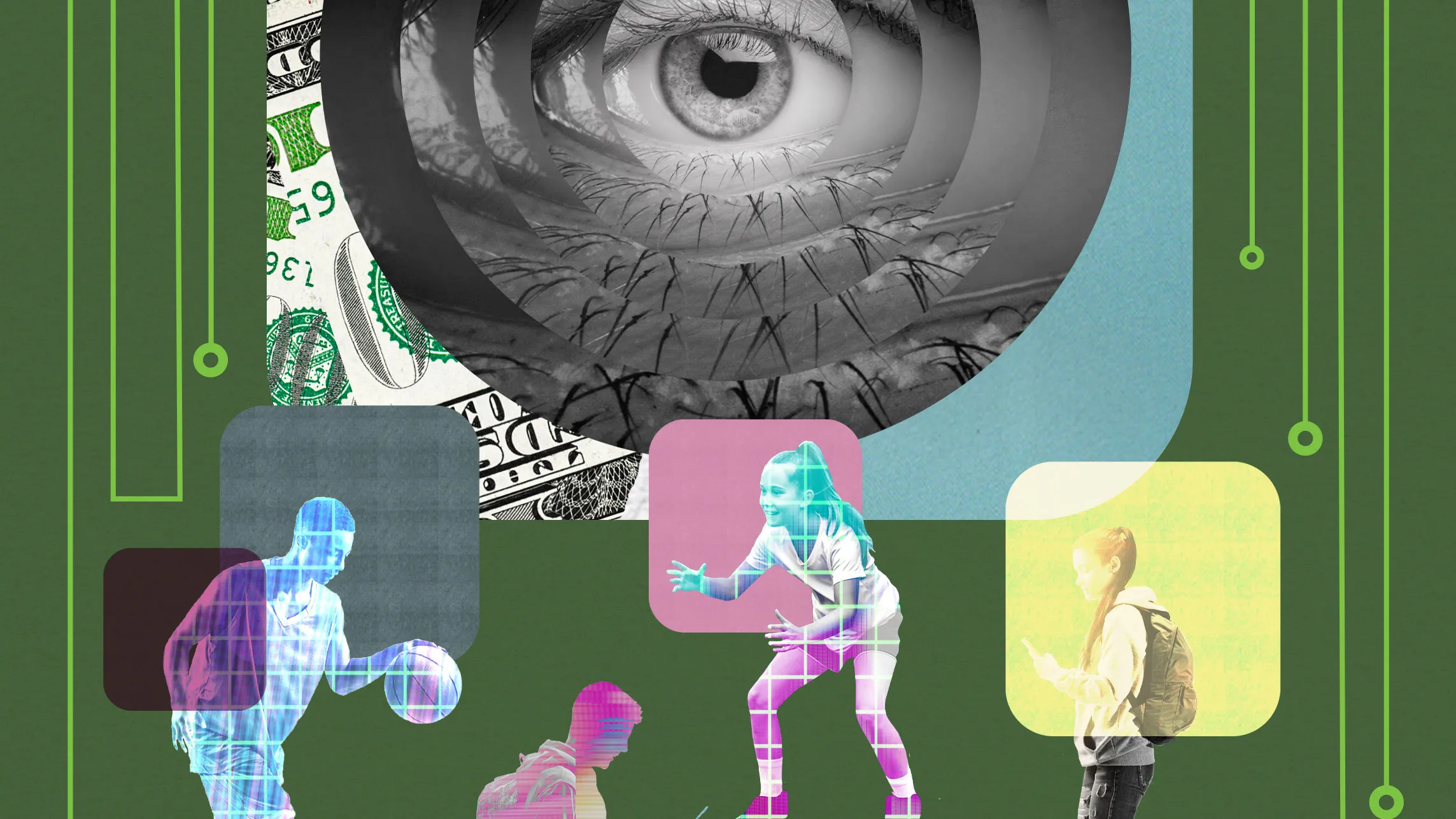
Child-monitoring applications are facing intensifying scrutiny from researchers and legal experts regarding their efficacy, privacy implications, and impact on parent-child trust. While these surveillance-based tools have prevented some crises, they frequently generate false alarms and cause psychological distress, potentially undermining adolescent autonomy. A 2025 audit by St. Pölten University of Applied Sciences and University College London found that nearly half of sideloaded monitoring apps are functionally indistinguishable from stalkerware. Consequently, advocates are urging a shift from digital surveillance towards building "digital resilience" in young people and enforcing stricter safety standards on social media platforms.
The market for parental control software, valued at an estimated $1.57 billion in 2025, is expanding rapidly, with companies like Bark Technologies positioning themselves as foils to emerging AI risks. Bark reported scanning 11 billion messages for 7.5 million children in the US last year. However, analysis of user reviews indicates that while location-sharing apps receive high satisfaction ratings, content-scanning applications fare significantly worse. Parents frequently cite unreliable algorithms that disconnect or miss genuinely troubling content, while monitored children report feelings of being watched, with one in ten stating that monitoring broke their trust in their parents.
Real-world efficacy remains difficult to measure, with no commercial monitoring app producing a controlled trial demonstrating a reduction in harm. Conversely, anecdotal evidence highlights significant collateral damage. A 2025 audit revealed that sideloaded apps often function as stalkerware, enabling abusive dynamics. In one documented case, a monitoring app flagged a conversation between an 11-year-old and her friend about service dogs for meltdowns as "self-harm," leading to the isolation of the child from her peer group. Such false flags are common, with one Australian father noting that 99 percent of alerts from commercial tools were "garbage," including flags for headaches or minor disagreements.
Legal and regulatory landscapes are shifting in response to these challenges. In March 2026, New Mexico became the first US state to win a child-safety case against Meta, resulting in a $375 million verdict. This follows a trend of increasing litigation, including pending lawsuits against OpenAI and Character.AI regarding AI-related harms to minors. In Australia, a ban on social media for under-16s, rolled out in December 2025, has seen limited compliance, with only about one-third of eligible children off their accounts. Many minors bypass facial scans using fake birthdates, suggesting that bans alone are insufficient without robust platform-level safety measures.
Experts such as Pam Wisniewski of the International Computer Science Institute advocate for a resilience-based approach rather than abstinence or surveillance. Research from Vietnam demonstrated that a digital-safety curriculum reduced risky online activity among junior high students from 50–60 percent to 15 percent. Wisniewski’s lab has developed prototypes like "Circle of Trust" and "MOSafely," which involve teens in safety design and allow them to review alerts before involving parents. This method prioritises teaching young people to recognise risk and cope with it, fostering trust rather than eroding it through constant digital monitoring.