EV charging choice hinges on driving patterns, not speed alone
Engadget’s guide weighs home charging costs and convenience against faster public charging, with the right fit depending on daily distance, access and electricity rates.
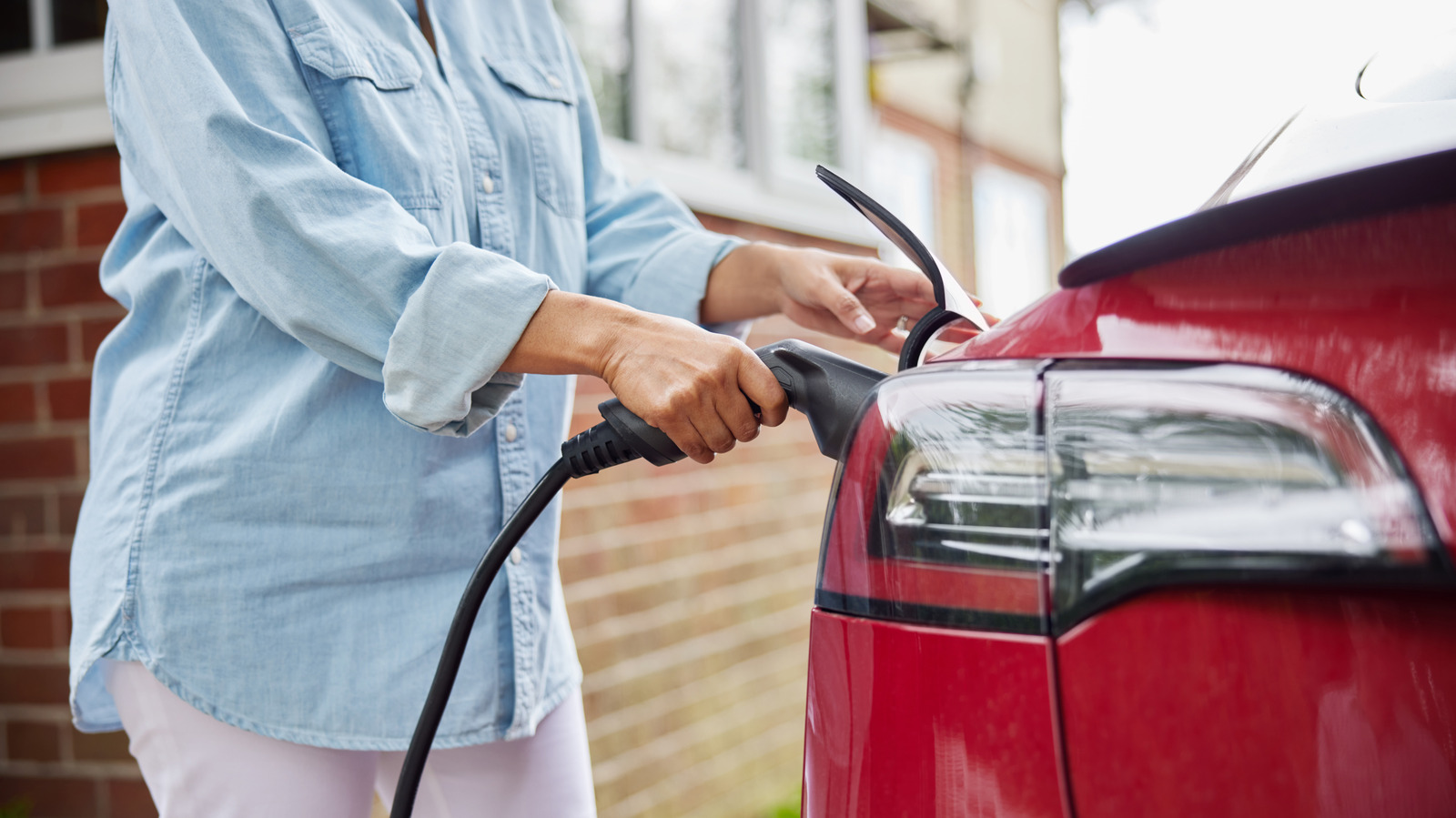
The fastest electric vehicle charger is not automatically the best fit. Engadget’s comparison of Level 1, Level 2 and Level 3 charging says drivers should weigh how far they travel, where they can charge and local electricity costs.
Level 1 uses a standard North American household outlet. It may cover short daily trips, with the US Environmental Protection Agency estimating about five miles of range per charging hour. Charging overnight can add useful range without the installation expense of a Level 2 charger.
Level 2 uses a higher-powered circuit and can replenish range more quickly at home. Engadget says it can make sense for drivers covering longer distances during the week, though installation may cost hundreds of dollars and could require an electrical upgrade. Charging capacity also depends on the home’s electrical service.
Level 3 DC fast charging is generally found at commercial sites and is geared to road trips and quick top-ups. Output varies by charger, and charging slows as a battery fills. Engadget says the long-term effect of frequent fast charging on battery health remains unsettled.
Conditions can change the calculation: cold weather may leave Level 1 charging struggling to warm a battery and add power at the same time. Drivers using public stations also need to check connector availability, as North America shifts from J1772 and CCS towards NACS. Engadget points to PlugShare and ChargePoint for checking site connectors and charging levels.