EU sanctions seven Israeli settlers and Hamas representatives over West Bank violence
French Foreign Minister Jean-Noël Barrot declares acts must cease immediately; broader trade restrictions on Israel remain stalled

The European Union has approved new sanctions targeting seven Israeli settlers and settler organisations, as well as representatives from the Palestinian militant group Hamas. French Foreign Minister Jean-Noël Barrot announced the decision, stating that these entities are guilty of supporting the extremist and violent colonisation of the West Bank and that such acts must cease immediately. The approval was enabled following a change of government in Hungary, where the ouster of former Prime Minister Viktor Orban removed the veto that had stalled the measure for months.
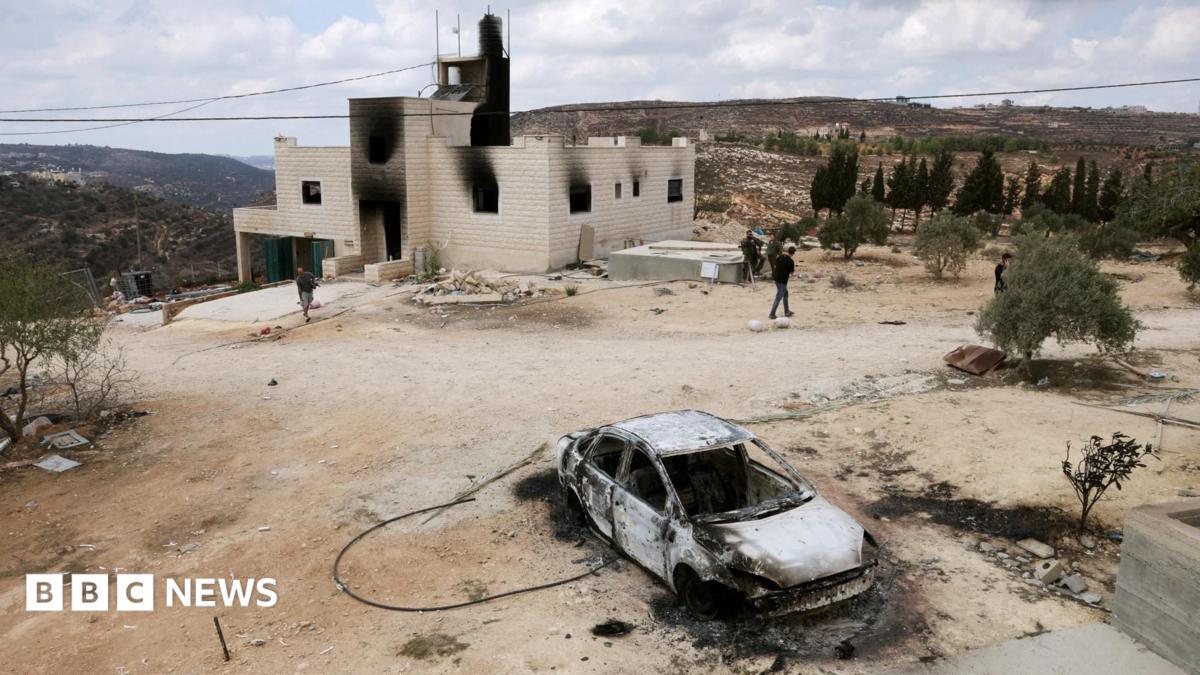
The specific number of sanctioned individuals and groups is seven, though the exact names were not listed in the source material. The move comes as the occupied West Bank has been gripped by almost daily violence since the start of the Gaza war in October 2023, involving both Israeli troops and settlers. A surge in deadly attacks by Israeli settlers in the occupied West Bank has been reported since the start of the Iran war on 28 February, according to Palestinian officials and the United Nations.
Israel has condemned the measures as arbitrary and political, reaffirming the right of Jews to settle in the West Bank. The response from the Israeli government was swift, denouncing the planned EU sanctions and vowing to stand for the right of Jews to settle in the region. While the EU proceeds with these specific sanctions, no consensus has yet been reached among member states to impose further trade restrictions on Israel.
The political landscape within the European Union shifted significantly when Peter Magyar replaced Viktor Orban as the Hungarian leader. This transition allowed the veto to be lifted, paving the way for the bloc to blacklist the targeted organisations. EU officials confirmed that the sanctions were agreed upon by foreign ministers on Monday, marking a significant development in the bloc's response to the ongoing conflict.
While the EU is moving ahead with the sanctions on Israeli settlers, there remains no consensus among member states to take further steps against Israel, such as curbing trade ties. However, work on banning products from illegal settlements is progressing, with a number of countries pushing to implement such measures. An EU diplomat noted that the work on trade measures for products coming from the illegal settlements moves forward, even as broader restrictions await agreement.
The decision highlights the complex dynamics within the European Union, where specific punitive actions can be isolated from wider economic measures. The focus remains on the violent colonisation of the West Bank, with the EU insisting that these most serious and intolerable acts must cease without delay. The situation continues to evolve as the bloc navigates the balance between targeted accountability and the lack of unity regarding comprehensive trade sanctions.