Economist Richard Wolff argues US深陷 Iran war trap amid empire decline
Professor emeritus of economics at the University of Massachusetts describes American threats to occupy foreign nations as the wild gesticulations of a sinking enterprise while domestic anger rises over wealth inequality
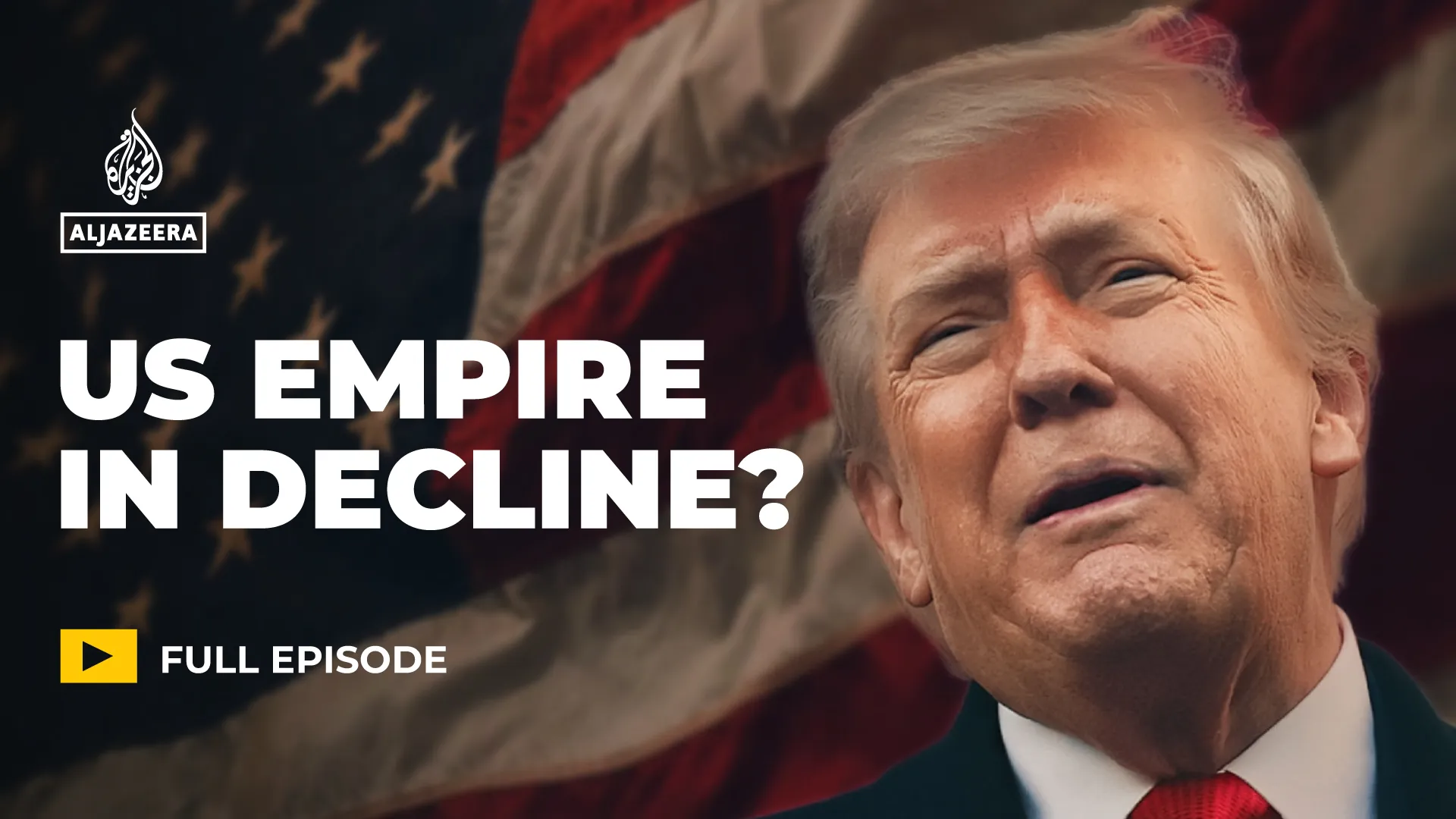
Economist Richard Wolff has characterised the United States as being in the midst of a long-term decline, trapped in a strategic stalemate within the Iran war. Speaking on Al Jazeera's 'The Bottom Line', Wolff argued that the nation finds itself in a position where it is neither in control of the conflict nor able to walk away from the engagement.
The analysis, delivered during a discussion with host Steve Clemons on 11 May 2026, frames American threats to take over countries and destroy civilisations as the wild gesticulations of a sinking enterprise. Wolff contends that these postures reflect a broader reality where US leaders refuse to face the reality that the empire is in decline, despite the ongoing geopolitical tensions.
According to the economist, the failure to defeat Iran is being deeply internalised by global audiences, who are learning from the inability of the United States to secure its objectives in the region. This external perception of weakness coincides with a surge in domestic unrest, which Wolff attributes to severe structural issues within the American economy.
Wolff highlighted that rising anger among the US population stems from extreme wealth inequality, noting that the richest 10 per cent of Americans own 80 per cent of corporate stocks. He described this concentration of capital as rendering the stock market utterly irrelevant to the general public, creating a disconnect between the financial elite and the broader citizenry.
The conversation underscored the disconnect between official narratives and the perceived trajectory of the nation's power. Wolff suggested that the refusal of US leadership to acknowledge the decline is preventing a rational assessment of the situation, leaving the country entangled in a conflict it cannot win or exit.
As the debate continues on the platform, the focus remains on how these economic and strategic failures are reshaping both domestic sentiment and international perceptions of American influence.