Ebola crisis deepens in DR Congo as WHO declares international emergency
The Bundibugyo strain has caused 136 deaths in eastern Congo, with the World Health Organization citing widespread non-compliance and compromised healthcare systems as major barriers to containment.
The Democratic Republic of Congo is confronting its 17th Ebola outbreak, driven by the Bundibugyo strain, which has resulted in 514 suspected cases and 136 deaths as of Tuesday. The World Health Organization has declared the situation a public health emergency of international concern following confirmed cases on 15 May. The crisis, centred in Ituri province, has spread to North Kivu and neighbouring Uganda, where one death has been reported.
Health Minister Dr Samuel Roger Kamba acknowledged that authorities are playing catch-up, as the virus likely circulated undetected since before 24 April. Formal community alerts were only registered from 8 May, indicating significant delays in detection. The presumed index case was a nurse who died in Bunia but was buried in Mongwalu, a gold-mining town where most suspected cases and deaths have occurred. Local beliefs in Mongwalu attribute some deaths to witchcraft, specifically the "coffin phenomenon," where touching a coffin is believed to cause death.
Save the Children noted that limited testing in Ituri was previously only for the Zaïre strain, leading to false negatives for the Bundibugyo strain. The strain, which has caused only two previous outbreaks, can show fewer obvious signs than the more familiar Zaïre species, leading to misdiagnosis as malaria. This delay, combined with community delays in reporting, has allowed the virus to spread silently through the region.
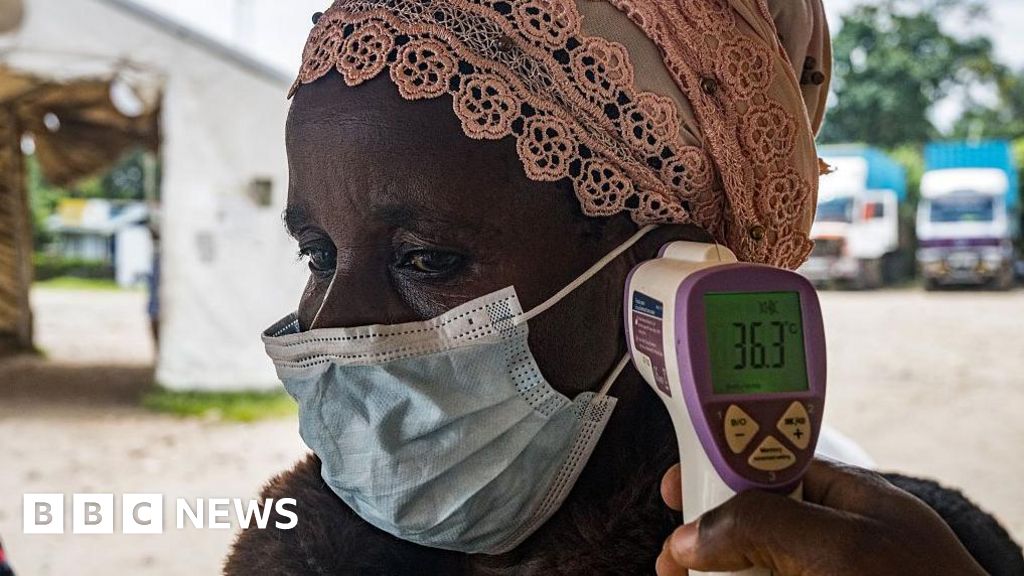
The outbreak is exacerbated by ongoing conflict, displacement, and compromised healthcare infrastructure. No fully operational Ebola treatment centres currently exist in Bunia, Butembo, or Goma, despite their large populations. Residents in urban centres like Goma report widespread non-compliance with barrier measures, such as mask-wearing and avoiding handshakes, citing daily survival priorities and lack of trust in authorities.
The United States has announced $13 million in emergency assistance for DR Congo and Uganda. An American doctor, Dr Peter Stafford, and two colleagues are among the infected; one US national has been evacuated to Germany, with further evacuations planned. The US is considering further funding through the UN’s pooled humanitarian fund and has linked travel restrictions to the outbreak.