Iran’s housing market stalls as rent hikes outpace wages amid war uncertainty
With annual rental prices in the capital rising sharply and military threats looming, Iranian tenants face severe affordability crises while government interventions struggle to contain the economic fallout of sanctions and conflict.
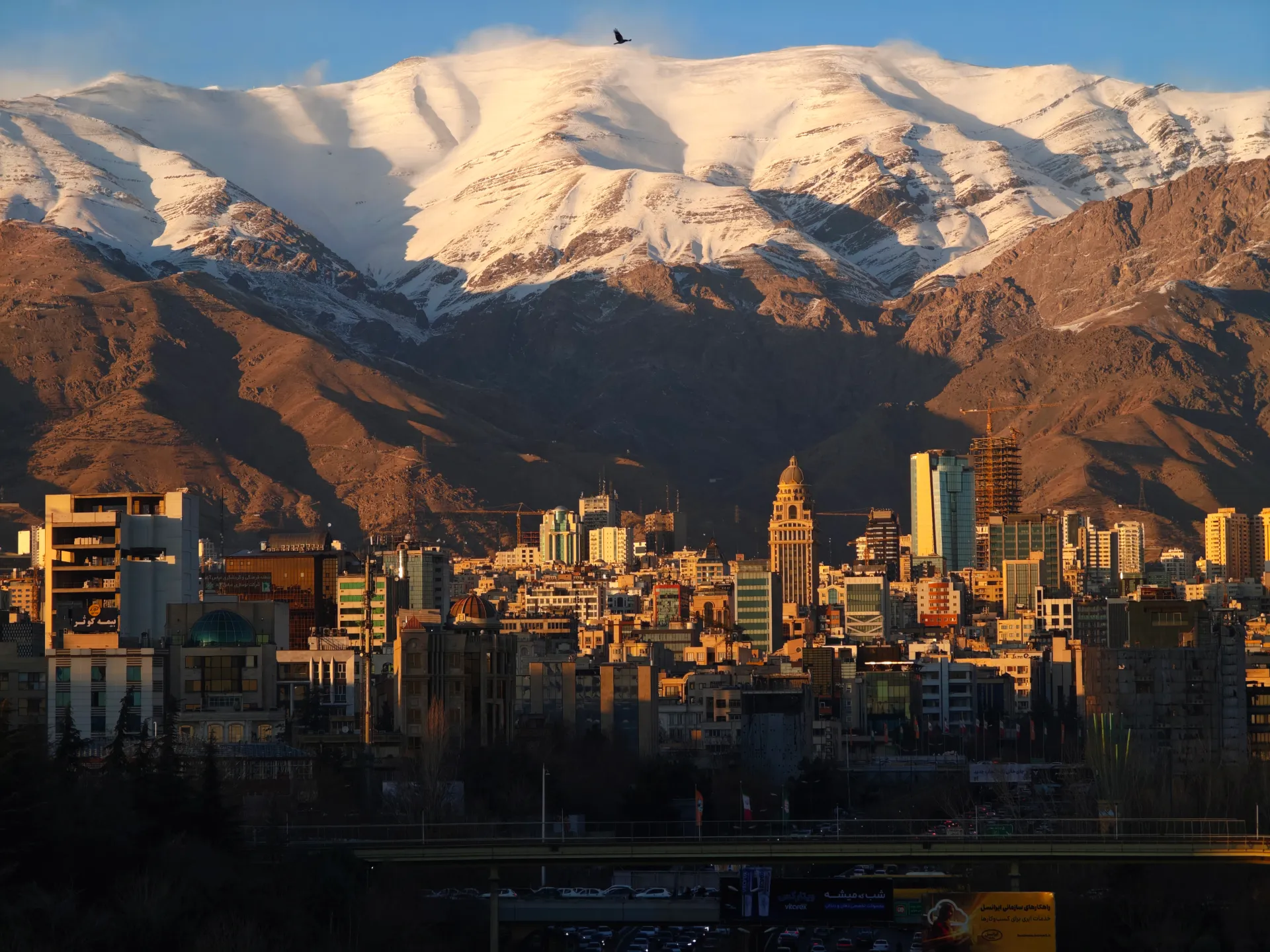
The Iranian housing market is experiencing acute distress as rental prices in Tehran surge by 30 to 40 per cent year-on-year, driven by high inflation, stagnant wages, and uncertainty surrounding potential military conflict with the United States. According to the Statistical Center of Iran, rents rose 31 per cent in Farvardian, the first month of the Persian calendar ending April 20, while local realtor associations report even steeper increases in the capital. The stunted market is further exacerbated by a stagnant minimum wage, with monthly earnings averaging between $90 and $120, leaving most tenants below the poverty line of approximately $400 per month.
Government measures, including a 25 per cent cap on annual rent increases and limited loan schemes, have proven largely ineffective against the soaring costs. The Tehran Association of Realtors cited a decree from the Supreme National Security Council allowing automatic tenancy extensions of up to two months for contracts expiring during the war, but local media report the rent cap often acts as a floor rather than a binding ceiling. While the government offers rental deposit loans ranging from 750 million rials in villages to 3.65 billion rials in Tehran, these figures are frequently inadequate, particularly in districts where deposits for family-sized units exceed the allotted support by several times.
The economic strain is forcing significant lifestyle adjustments among renters. A 45-year-old real estate agent in Tehran noted that fewer housing contracts are being signed due to uncertainty over the potential resumption of fighting. Many tenants are seeking shared accommodation to cut expenses, moving to smaller cities, or returning to their parents’ homes. Mohammad, a 29-year-old ride-hailing driver in western Tehran, renewed his contract with a rent increase from 130 million to 230 million rials, noting that while the landlord was happy to extend the lease, he accepted the hike to avoid potentially worse conditions elsewhere.
Geopolitical tensions continue to destabilise the economic environment, with US President Donald Trump warning that forces may still strike Iran if a deal is not reached, despite holding off a planned attack at the request of Gulf allies. This uncertainty has impacted construction and sales as well, with builders halting work due to rising material costs and buyers facing price increases that outpace general inflation. President Masoud Pezeshkian acknowledged the severity of the situation, stating that those who fight must endure hardships and that more inflation is likely as the economy remains under the strain of sanctions and conflict.
The impact on household purchasing power is severe, with some residents reporting that prices for goods have doubled in recent days. Rezaei, a woman in central Tehran, stated that her purchasing power has decreased by at least 70 per cent, highlighting the disconnect between incomes and expenses. As the country remains in a state of limbo between war and peace, housing prices are expected to continue rising, leaving tenants with few viable options to maintain their standard of living amidst the ongoing economic and security crisis.