Analyst: Russia and China united in bid for alternative global order
The Lau China Institute research affiliate tells FRANCE 24 that Moscow and Beijing share a strategic objective to construct a multi-polar world, noting the differential diplomatic treatment of Vladimir Putin versus Donald Trump.
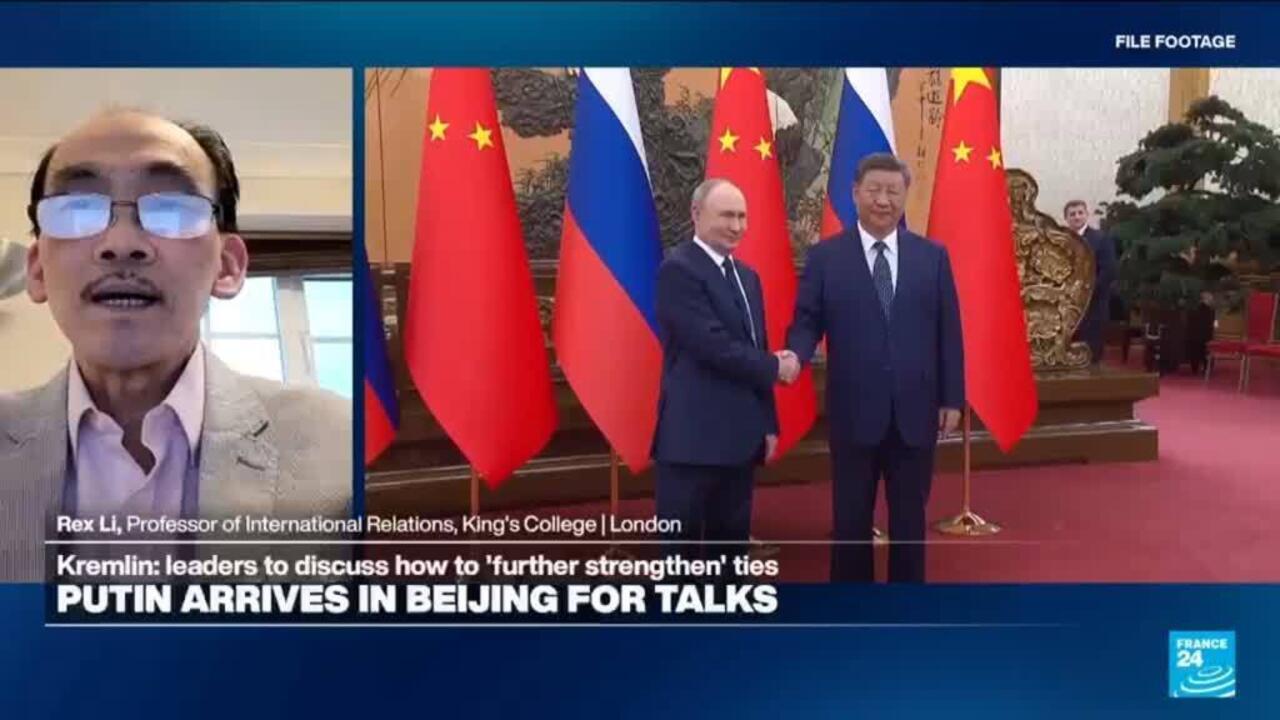
Rex Li, a professor of international relations at King’s College London and research affiliate at the Lau China Institute, has identified a shared strategic objective between Russia and China: the construction of an alternative, multi-polar world order. Speaking to FRANCE 24, Li outlined how the two nations are aligning their geopolitical efforts to reshape global governance structures.
In an interview with FRANCE 24’s Mark Owen, Li highlighted the contrasting diplomatic receptions afforded to Vladimir Putin and Donald Trump by Chinese leadership. He noted that the Russian president has been "warmly welcomed" by officials in Beijing, a treatment he explicitly contrasted with the reception given to the former US president.
This diplomatic divergence underscores the deepening economic reliance Moscow has developed on Beijing since the onset of the war in Ukraine in 2022. Putin’s recent state visit to the Chinese capital was primarily focused on securing tangible commercial outcomes, specifically aiming to finalise energy agreements such as the Power of Siberia 2 pipeline.
The analytical perspective provided by Li suggests that these bilateral engagements are not merely transactional but are part of a broader institutional effort to build a multi-polar world. This stands in contrast to previous high-level engagements in the region, such as the summit between Donald Trump and Xi Jinping in Beijing, which centred on trade, artificial intelligence, and tensions regarding Iran.
While Li’s assessment provides a framework for understanding the current Sino-Russian alignment, the specific metrics or qualitative data underpinning the claim regarding the warmth of Putin’s reception compared to Trump’s remain undefined in the available reporting. Similarly, the precise mechanisms or timeline for the construction of this alternative world order have not been elaborated upon.
As geopolitical tensions persist, the focus remains on how these institutional partnerships evolve. The current diplomatic posture, characterised by strong economic integration and shared rhetorical goals, signals a continued commitment to challenging the existing global status quo.