Eala’s US Open debut highlights the governance gap in managing partisan crowds
The No. 17 seed’s straight-sets victory over Mary Stoiana was overshadowed by officiating challenges posed by a vocal Filipino contingent, prompting a formal request for crowd control from chair umpire Marijana Veljovic.
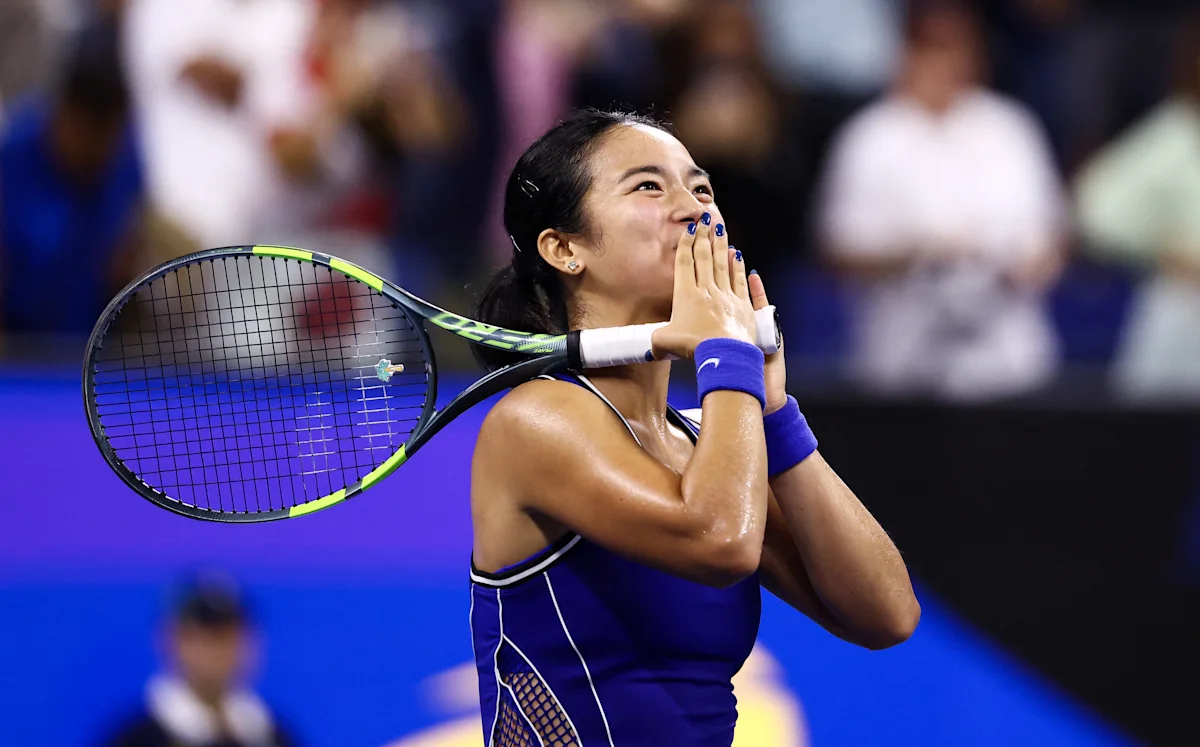
Alexandra Eala secured a decisive 6-1, 6-2 victory over American Mary Stoiana in the first round of the US Open in New York, a result that underscored her status as the Philippines’ most prominent tennis figure since Manny Pacquiao. While the match itself was characterised by Eala’s early dominance, the broader narrative centred on the logistical and atmospheric challenges presented by a large, vocal contingent of Filipino supporters.
The tension between fan enthusiasm and match protocol came to a head during the fourth game, when a prolonged rally drew increasing noise from the stands. Chair umpire Marijana Veljovic intervened, formally requesting the crowd to lower their voices "out of respect for both players." This incident highlights a recurring institutional issue in tennis: the difficulty of enforcing traditional etiquette among audiences who are often new to the sport’s specific norms.
Eala, ranked No. 17, has acknowledged the growing complexity of managing these atmospheres. She noted that while she has developed a professional rhythm to compartmentalise the noise, the support continues to surprise her. Her comments suggest an adaptation to the environment rather than a fundamental shift in crowd behaviour, indicating that the dynamic will likely persist as she progresses through the tournament.
The scale of this phenomenon is driven by significant demographic factors. With approximately 250,000 Filipinos residing in the New York area, the local diaspora provides a substantial base for partisan support. This has transformed otherwise quiet tennis venues into charged political and sporting events, a dynamic previously noted by American player Jessica Pegula, who described playing against Eala in Washington, D.C., as akin to a road game.
Although the crowd was relatively muted during Eala’s match compared to the preceding performance by Gael Monfils, the potential for disruption remains a factor. Monfils, playing his final US Open before retirement, had earlier energised the audience with acrobatic shots, setting a high bar for atmospheric intensity. As Eala faces more competitive matches, the interplay between player performance and crowd management is likely to become a more significant element of her campaign.
The episode serves as a case study in how international sporting stars can reshape local fan culture, challenging existing governance structures around spectator conduct. For Eala, the challenge is not merely athletic but also managerial, requiring a balance between embracing national pride and maintaining the competitive integrity of the match.