Romania shuts nuclear plant as Danube drought exposes infrastructure limits
Prolonged heatwave drives river levels to 30-year lows, forcing Romania’s only nuclear facility offline and highlighting systemic vulnerabilities across European energy and agricultural sectors.
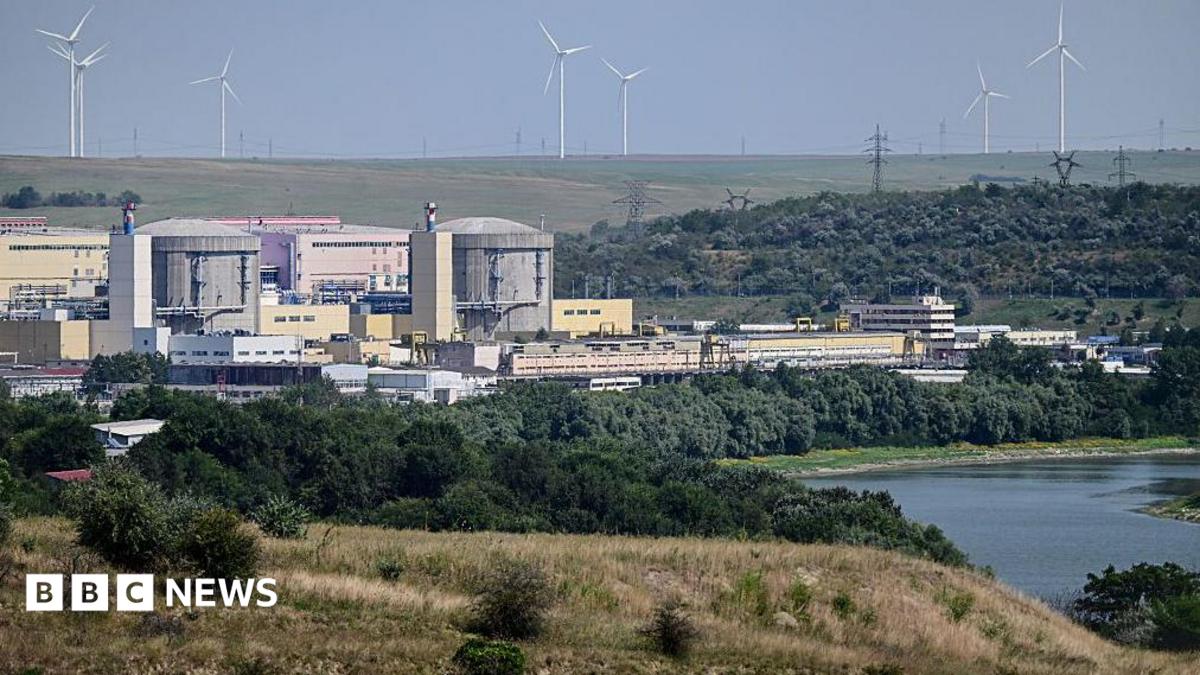
Romania has disconnected its only nuclear power station, Cernavodă, from the national electricity grid, citing extremely low water levels in the Danube River exacerbated by prolonged hot weather. The second of the plant’s two 706-megawatt reactors was shut down just before midday on Thursday, following the earlier closure of the first reactor in July. This marks only the second time the facility has been taken offline since 2003.
Plant director Romeo Urjan stated that a restart is not foreseen within the next 10 days. Authorities had attempted to mitigate the crisis by sinking barges loaded with rocks into the river to increase water flow, but the receding levels prevented the cooling system’s suction nozzles from reaching the water. The shutdown affects a facility that produces approximately 20% of Romania’s electricity.
The power shortfall is typically managed by solar and wind generation during the day. However, with traditional coal and gas generation required to meet evening demand, imports will need to supplement domestic supply. Romania’s hydropower capacity has also been significantly reduced by the same low river levels that necessitated the nuclear shutdown.
Neighbouring Hungary has so far avoided a similar fate at its Paks nuclear plant, despite warnings from Prime Minister Péter Magyar last month that the Soviet-era facility could be forced to shut down entirely. The Danube’s waters have fallen to their lowest levels in 30 years across several countries, with suction nozzles at various facilities struggling to draw sufficient cooling water.
The crisis reflects broader climate pressures across Europe, which the Copernicus climate service identifies as warming twice as fast as the global average. Low water levels are also restricting traffic on the Rhine River and causing significant agricultural damage. Italy’s Coldiretti association estimates climate-related damage could exceed €3bn, while France’s Environment Minister Monique Barbut warned of potential costs between €10bn and €15bn.
In England, temperatures provisionally reached 38.1C in Kew Gardens on Thursday, potentially the hottest day of the year. The Dutch bank Triodos cautioned that extreme heat could wipe out much of the projected economic growth for the EU, challenging forecasts from the European Commission and the IMF.