DRC Ebola outbreak hits 3,200 cases as security and logistics hamper response
Government data released Sunday reveals 1,405 deaths and a rapid surge of 1,000 infections in ten days, complicating containment efforts amid healthcare worker strikes and logistical barriers.
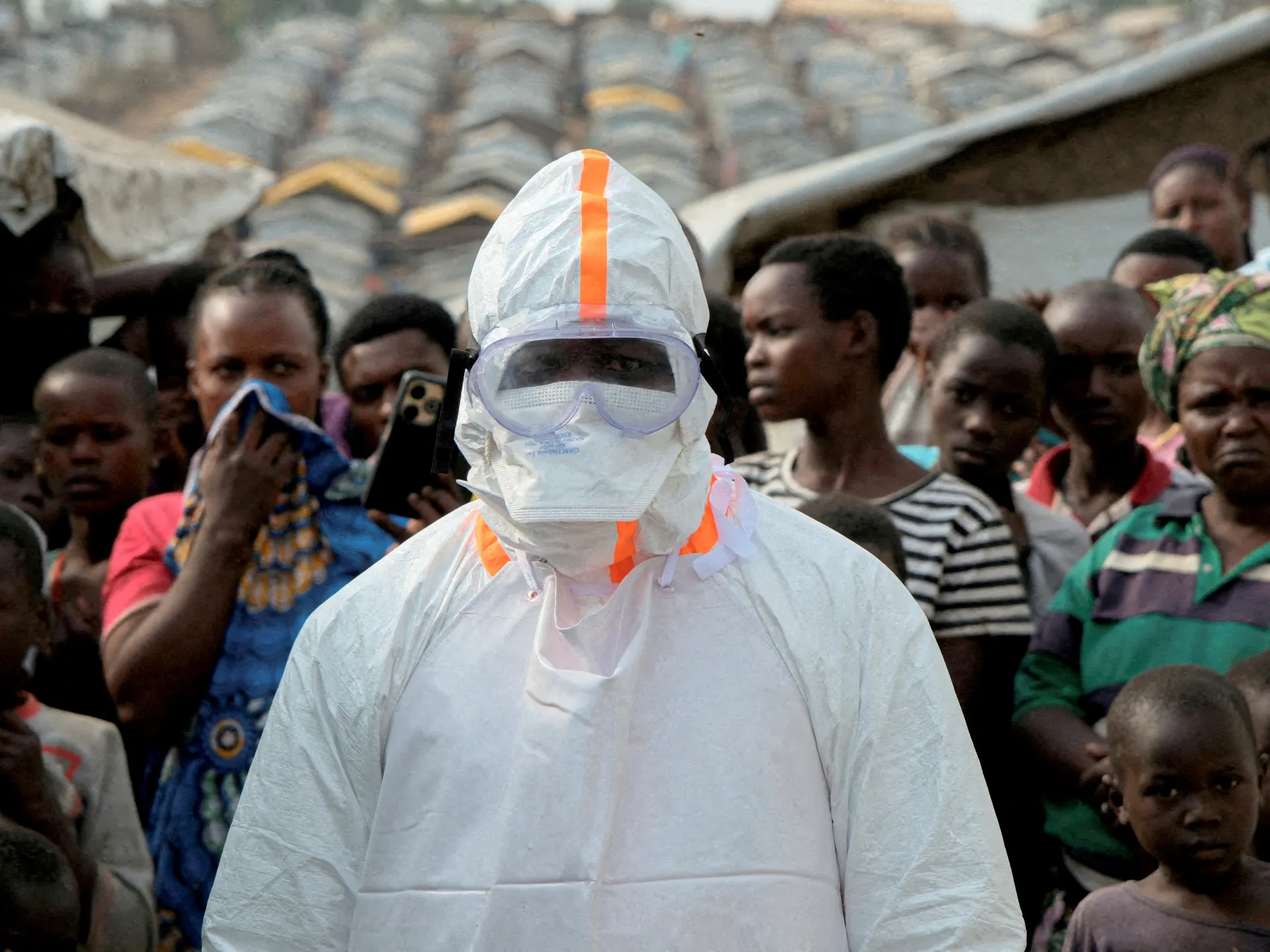
The Democratic Republic of the Congo has recorded 3,200 confirmed Ebola infections and 1,405 deaths, according to government data released on Sunday. The figures mark a significant acceleration in the country’s 17th Ebola outbreak, with cases rising by approximately 1,000 over a ten-day period. The outbreak, which was declared on 15 May 2026, is caused by the Bundibugyo strain of the Ebola virus, a variant for which no approved vaccine or treatment is currently available for general use.
The World Health Organization reports that the virus has spread across five provinces, with nearly 90 per cent of cases concentrated in the northeastern province of Ituri. This region borders South Sudan and Uganda, raising concerns about cross-border transmission. Authorities noted that improved detection and testing protocols have contributed to the identification of a higher number of infections, although the rapid spread indicates persistent challenges in containment.
Response efforts are being severely constrained by a combination of security challenges and logistical difficulties. Hedley Tah of the UN Humanitarian Air Service (UNHAS) highlighted that while the humanitarian community is eager to assist, physical access to affected areas remains a primary obstacle. UNHAS is currently transporting medical samples for laboratory testing to ensure traceability, as well as moving medics and response teams to crisis front lines.
Compounding the operational difficulties are strikes by healthcare workers demanding unpaid wages, which have disrupted response efforts in some hospitals. These industrial actions, alongside the inherent security risks in the region, are hindering the coordination of medical supplies and personnel. The outbreak is projected to last several more months, though the exact timeline remains uncertain.
In response to the crisis, scientists are fast-tracking experimental interventions. Oxford University announced on Friday that the first group of volunteers had received an experimental vaccine targeting the Bundibugyo strain. Several other candidate vaccines are being advanced for clinical trials, and two potential treatments are currently under development, as the international community races to mitigate the impact of the outbreak.