Donald Retires from NFL, Rejecting $30 Million Offer Over Passion Concerns
Aaron Donald becomes the first non-quarterback to earn $30 million in a single year, yet chooses to forgo the contract to ensure fairness to his team.
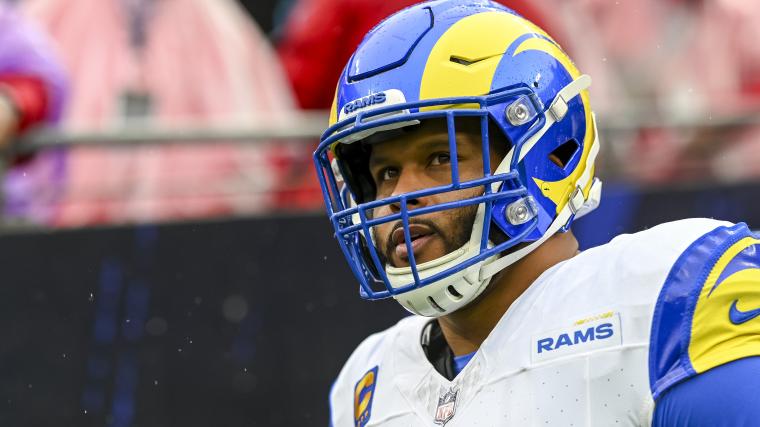
Former Los Angeles Rams defensive tackle Aaron Donald has retired from the National Football League, declining a contract offer valued at $30 million. The three-time NFL Defensive Player of the Year stated that his decision to step away was driven by a loss of passion for the rigorous demands of elite professional football, rather than financial considerations. Donald emphasised that he no longer possessed the desire to commit to the year-round training and the workload associated with a 17-game season.
Donald explained that continuing to play without full dedication would be unfair to the team. He noted that he felt unable to give himself fully to the sport, prompting the decision to withdraw from competition. The move ensures that the Rams are not reliant on a player who lacks the necessary drive to perform at the highest level, prioritising institutional integrity over individual financial gain.
The financial magnitude of Donald’s departure has drawn attention within the league. He is the first non-quarterback in NFL history to reach the $30 million mark in a single year. Despite this historic earning potential, Donald chose to walk away, a move that has surprised many observers given the substantial monetary reward he left on the table.
Former NFL running back LeSean McCoy provided context on the decision, recounting a dinner conversation with Donald shortly after the retirement announcement. McCoy expressed astonishment at the choice, noting that Donald explicitly stated he wanted to be fair to the team by giving the $30 million back. McCoy highlighted the rarity of such a decision, observing that players could easily endure minor injuries during training camp to secure the payout, a path Donald deliberately avoided.
Donald’s retirement marks the end of a career defined by sustained excellence and a future Hall of Fame status. By prioritising his personal standards and fairness to the organisation over the significant financial reward, Donald has set a distinct precedent in professional sports governance. His departure underscores the tension between commercial incentives and the personal commitment required for elite athletic performance.