Diplomatic overtures to Pakistan mark critical juncture in Iran peace talks
With the conflict entering its 57th day, Washington signals an open window for a deal contingent on verifiable nuclear concessions, while regional tensions persist.
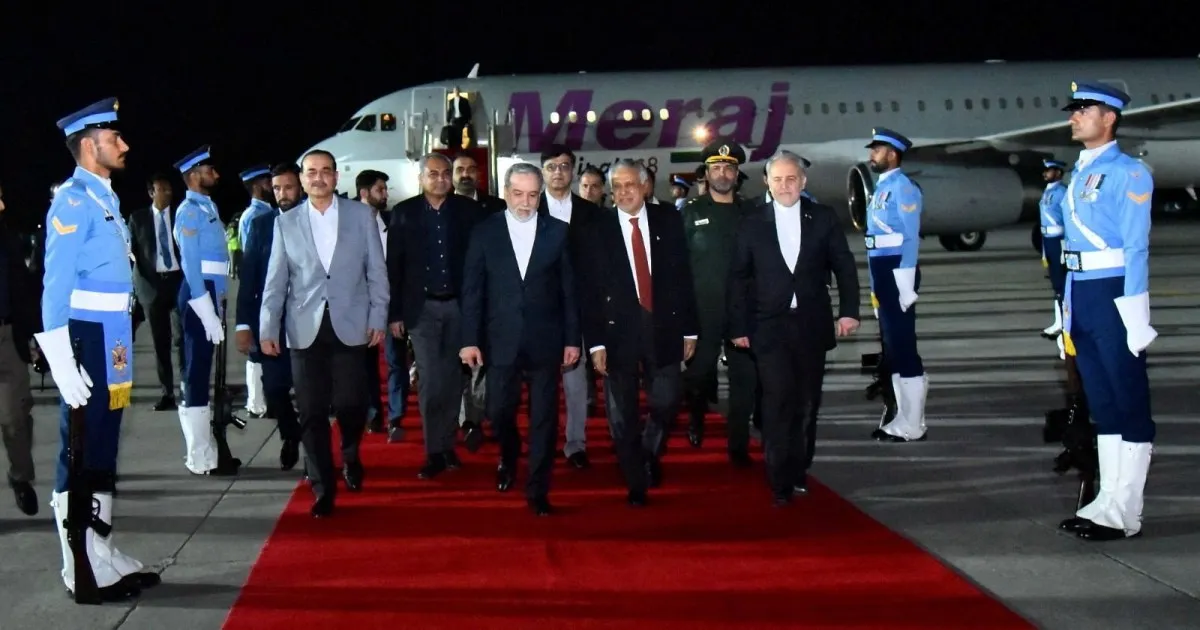
The United States has dispatched envoys Steve Witkoff and Jared Kushner to Pakistan for high-level discussions with Iran, a diplomatic initiative launched as the ongoing conflict enters its 57th day. The timing of the visit is scheduled for Saturday, coinciding with the arrival of Iranian Foreign Minister Abbas Araghchi in Islamabad. Pakistan is currently serving as the primary mediation venue for these talks, which aim to break a prolonged deadlock regarding Tehran's willingness to re-engage with the US administration.
Despite the physical presence of both delegations, significant uncertainty remains over whether the talks will result in a substantive agreement. Negotiations between the two nations have been stalled for some time, and the White House has noted that days have passed without a clear indication of Tehran's intent to return to the negotiating table. The administration views this specific diplomatic overture as a critical juncture for policy resolution, yet the outcome of the engagement in Islamabad remains unknown.
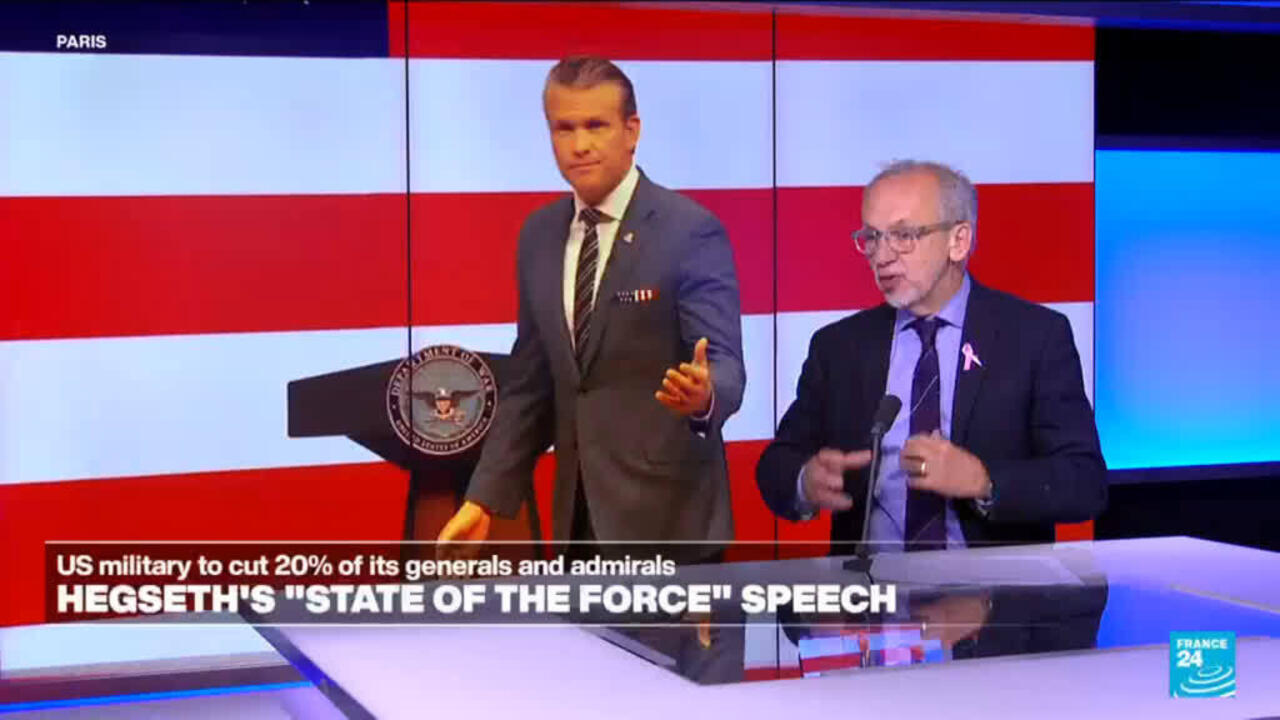
US Secretary of Defense Pete Hegseth has characterised the current situation as an "open window" for Iran to secure a favourable agreement. However, this assessment comes with a strict condition: the US insists that any deal must involve Iran abandoning its nuclear pursuit in meaningful and verifiable ways. Hegseth emphasised that Washington views these diplomatic efforts as essential, provided the requisite concessions are made, though the feasibility of such terms from Tehran's perspective has not been established.
The diplomatic landscape is further complicated by parallel developments in Lebanon, where a ceasefire has been extended for three weeks. While this extension offers a temporary pause, fighting continues in the southern buffer zone between Israel and Hezbollah. Tehran has explicitly stated that a resolution to the conflict in Lebanon is a precondition for resuming talks with the United States, creating a complex web of dependencies that complicates the path to a regional settlement.
The White House maintains that the current diplomatic overtures represent a pivotal moment for policy resolution, yet the broader regional conflict involves multiple fronts that remain volatile. The administration's stance suggests that the window for negotiation is open, but it hinges entirely on Iran's ability to meet the stringent requirements regarding its nuclear program. Until these conditions are clarified or a resolution is found in Lebanon, the status of the negotiations remains precarious.