Diplomatic impasse deepens as US envoys arrive in Islamabad while Iran rejects direct talks
Pakistan serves as the primary mediation venue as regional tensions escalate alongside Israeli strikes in Lebanon and renewed diplomatic friction between Moscow and Washington.
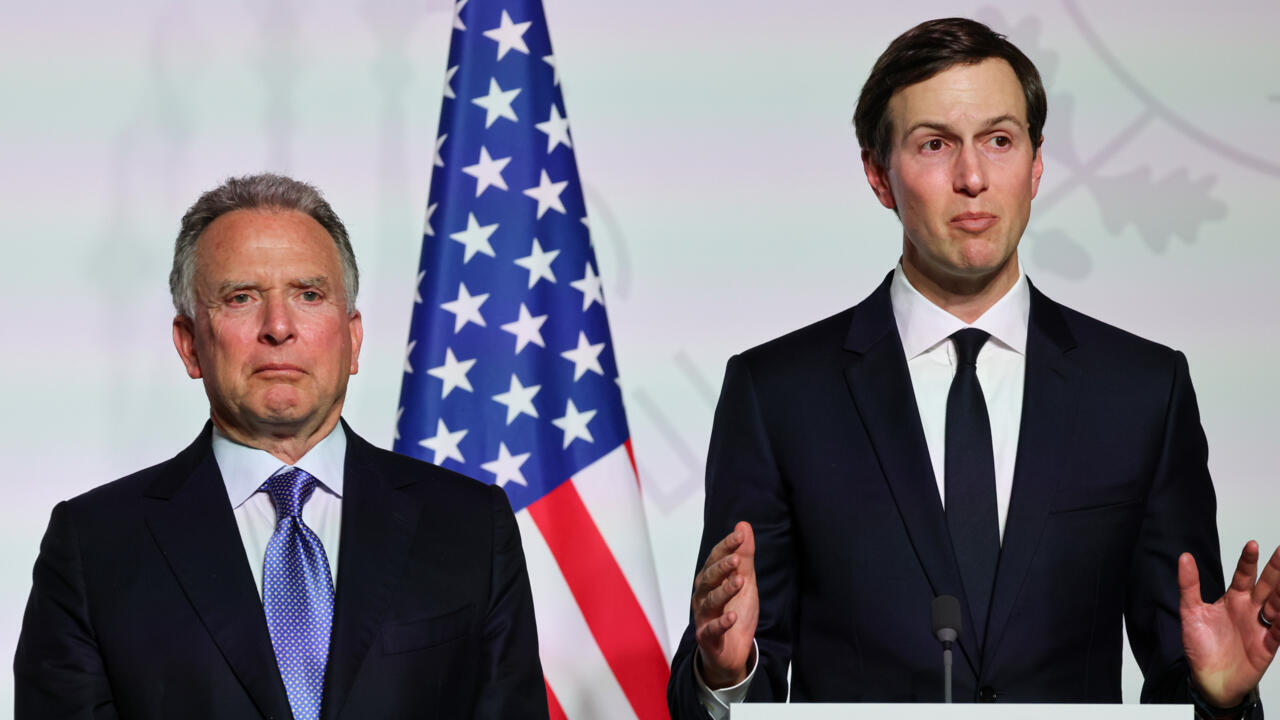
US special envoys Steve Witkoff and Jared Kushner are scheduled to arrive in Islamabad on Saturday, marking a significant escalation in diplomatic efforts to broker a peace deal between the United States and Iran. This deployment coincides with the arrival of Iranian Foreign Minister Abbas Araghchi in Pakistan on Friday, positioning the nation as the primary mediation venue for these high-stakes negotiations.
Despite the physical presence of both delegations in the Pakistani capital, a structural barrier to resolution has emerged. While the White House administration has indicated that the envoys will engage in an "in-person conversation," Iranian state media has explicitly ruled out direct negotiations with US representatives. This divergence in expectations creates a diplomatic impasse, leaving the specific nature of the anticipated dialogue uncertain as it may involve indirect channels rather than face-to-face dialogue between Washington and Tehran.
The timing of the visit underscores the prolonged nature of the regional instability, as the conflict involving Iran and its adversaries has now entered its 57th day. The White House has escalated its diplomatic approach by deploying high-profile figures, including President Trump's son-in-law, to attempt to restart talks that had previously stalled. However, the refusal by the Iranian delegation to meet US negotiators immediately upon arrival suggests that the path to a ceasefire remains obstructed despite the concerted efforts of the US administration.
Beyond the US-Iran dynamic, the broader security architecture in the Middle East faces continued strain. Israeli airstrikes in Lebanon resulted in the death of six people and the injury of two others on Friday, occurring despite an ongoing ceasefire in the conflict between Israel and Hezbollah. These incidents highlight the fragility of the current truce and the ongoing volatility that complicates broader diplomatic initiatives in the region.
In related developments concerning the security of international personnel, an Indonesian blue helmet stationed in Lebanon died from wounds sustained in an attack on his base on 29 March. The United Nations Interim Force in Lebanon (UNIFIL) announced the death on Friday, underscoring the persistent risks faced by peacekeeping operations in the area.
Diplomatic friction has also extended to the global energy sector, with Russian Foreign Minister Sergei Lavrov accusing the United States of abandoning international diplomatic conventions to dominate global energy markets. Lavrov alleged that Washington was prepared to utilise coups, kidnappings, and assassinations to secure resources in nations such as Venezuela and Iran, a claim that challenges the US stance on energy security and international law.
Conversely, the European Commission has signalled a willingness to collaborate with Persian Gulf countries on new energy projects that would not be held hostage by war. President Ursula von der Leyen stated that security is intrinsically linked across the region, noting that a threat to a merchant vessel in the Strait of Hormuz poses a direct risk to industrial facilities in Europe, thereby reinforcing the need for stability in the Persian Gulf.
Finally, a separate diplomatic development saw the release of American-Kuwaiti journalist Ahmed Shihab-Eldin after weeks of detention in Kuwait. The State Department confirmed his safe departure following his arrest on charges of spreading false information and harming national security, a move that occurred amidst the wider crackdown on media coverage of the US-Iran conflict.