Deadliest strikes since June truce kill 11 in Lebanon, threatening peace framework
Lebanese officials condemn civilian deaths in Ansar and Deir El Zahrani as US and Israeli positions diverge on security zone withdrawal terms.
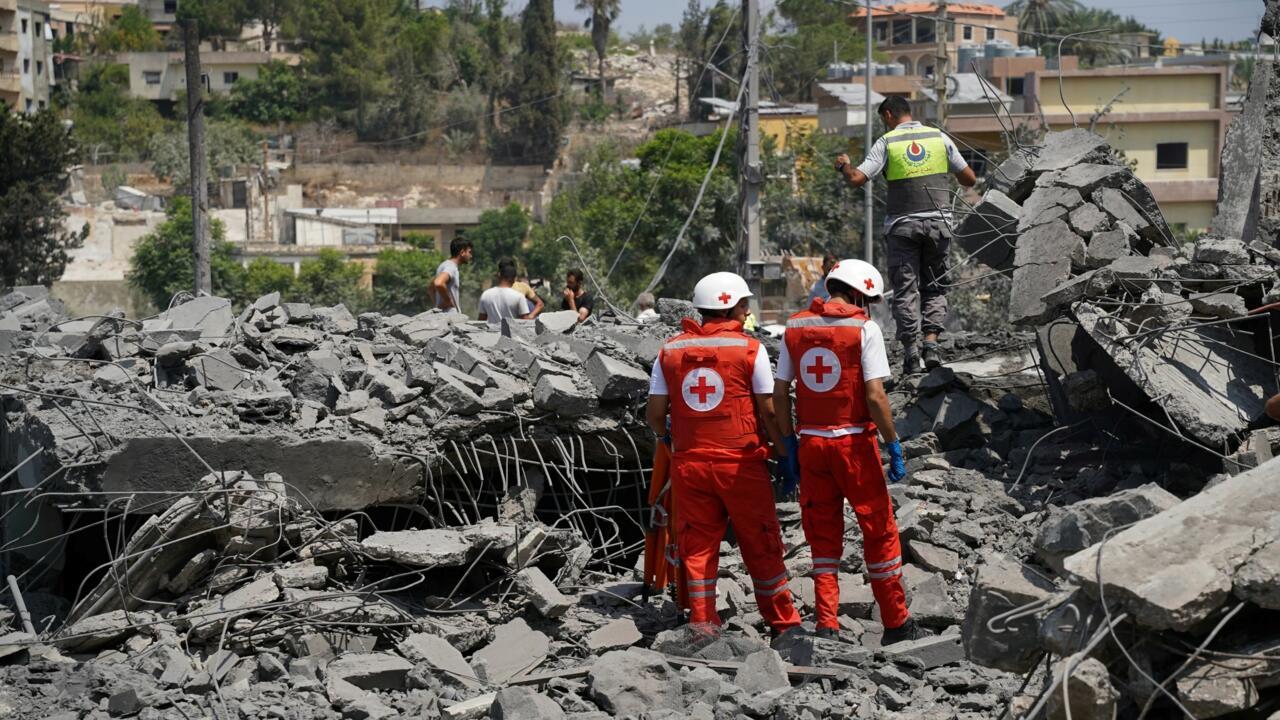
Israeli airstrikes killed at least 11 people in southern Lebanon on Saturday, marking the deadliest violence since a US-mediated peace framework was agreed upon in June. The strikes targeted the villages of Ansar and Deir El Zahrani, with the Lebanese Health Ministry confirming seven fatalities in Ansar, including three children and two women, and four deaths in Deir El Zahrani.
The Israeli military stated the operation was a direct response to an attack by Hezbollah on Israeli troops in the region, which resulted in three injuries. Defence Minister Israel Katz, visiting the area on Thursday, reiterated that Israel would not withdraw from occupied territories until Hezbollah is disarmed, a condition the militant group has rejected as tantamount to surrender.
Israel’s military claimed to have killed Ali Samir Al-Haj Hassan, a commander in Hezbollah’s elite Radwan Force, at a central headquarters in Ansar. In a statement, the Israeli Defence Forces emphasised that while Hassan’s family was present and harmed during the strike, they were not the target, alleging that Hezbollah deliberately placed civilians within the military compound.
The incident has drawn sharp condemnation from Lebanese leadership. Prime Minister Nawaf Salam described the women and children killed in Ansar as not being military targets, while Parliament Speaker Nabih Berri, a Hezbollah ally, called for national unity and urged international sponsors to assume responsibility for halting the escalation before the situation deteriorates further.
Tensions over the implementation of the June framework have intensified, with US State Department officials indicating that a permanent Israeli military presence in the security zone is inconsistent with the deal’s commitments. Conversely, Israeli Prime Minister’s Office spokesperson Doron Spielman told Reuters that the strikes were intended to "tighten up" negotiations, arguing they highlight the necessity of the security demands driving the talks.
Since the conflict escalated on 2 March 2026, following a strike that killed Iran’s supreme leader, at least 4,300 people have been killed in Lebanon. The strike on a valley next to Ansar was reported as the deepest incursion into Lebanese territory in two months, raising concerns that the violence could derail the ongoing diplomatic efforts to stabilise the border region.