Trump signals intent to meet Kim Jong Un later in 2026
The US President stated he aims to revive personal ties with the North Korean leader, a move coinciding with scaled-back joint military drills with South Korea.
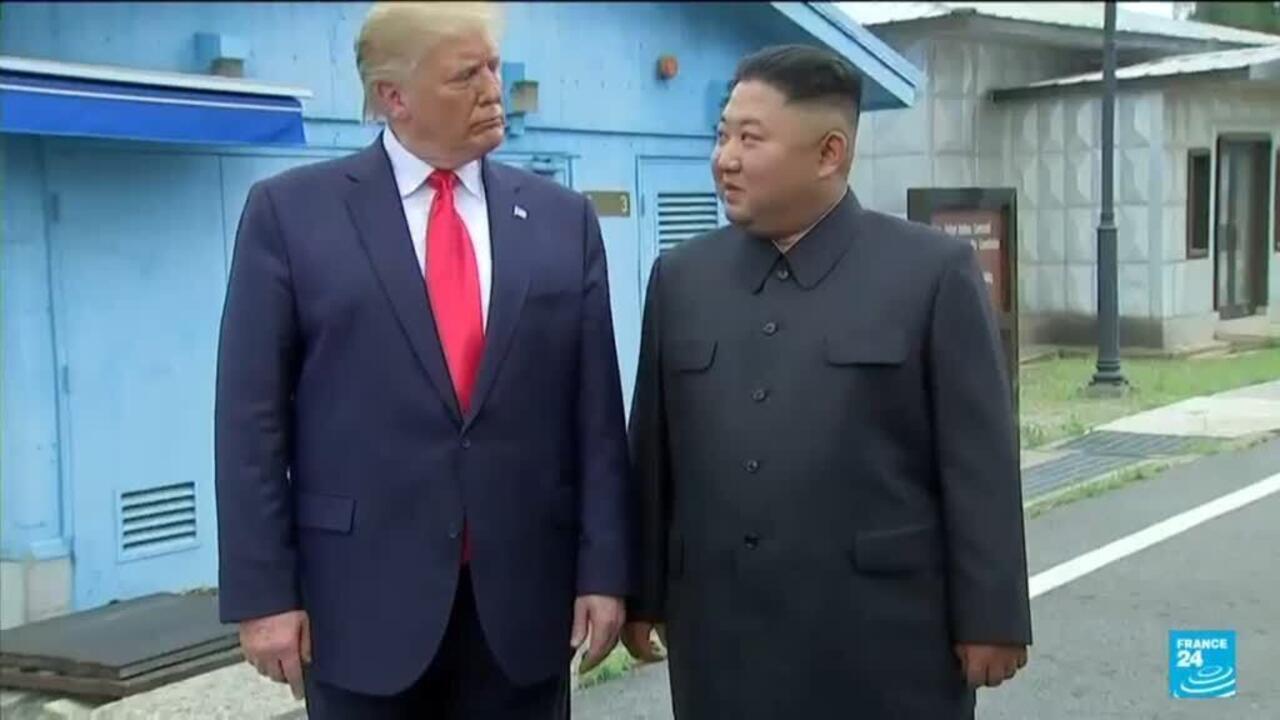
US President Donald Trump announced on Wednesday that he intends to hold a meeting with North Korean leader Kim Jong Un later in 2026. The statement, reported by France 24 International, outlines a diplomatic initiative focused on re-establishing direct engagement between the two leaders.
The primary objective cited for the planned summit is to revive the relationship Trump claims to have forged with Kim during his first term in office. While the specific date, location, and format of the meeting have not been confirmed, the announcement marks a significant shift in the diplomatic posture towards the nuclear-armed state.
This diplomatic overture coincides with a decision to scale back joint US-South Korean military drills, a standard component of regional security arrangements. By reducing these exercises, the administration appears to be adjusting its tactical approach in the region alongside the proposed high-level talks.
Trump characterised Kim Jong Un as possessing 57 "very powerful" nuclear weapons, framing the necessity of the meeting within the context of North Korea’s military capabilities. The President asserted that engaging in dialogue with Kim enhances the safety of South Korea, a political assertion that contrasts with the traditional security assessments often associated with the presence of such weaponry.
The announcement underscores a strategy that prioritises personal diplomatic channels over conventional military posturing. By linking the reduction of military drills with the promise of a summit, the administration is signalling a preference for negotiation as the primary mechanism for managing tensions on the Korean Peninsula.
As the details of the planned meeting remain unspecified, the focus now shifts to whether this stated intent will translate into a formalised diplomatic schedule. The move represents a notable development in US-North Korea relations, emphasising the administration's reliance on direct leadership engagement to address regional security concerns.