Cuba warns of ‘bloodbath’ as US imposes new sanctions on intelligence directorate
Havana issues stern warning against potential US military aggression while Washington targets the island’s intelligence apparatus, compounding existing economic pressures.
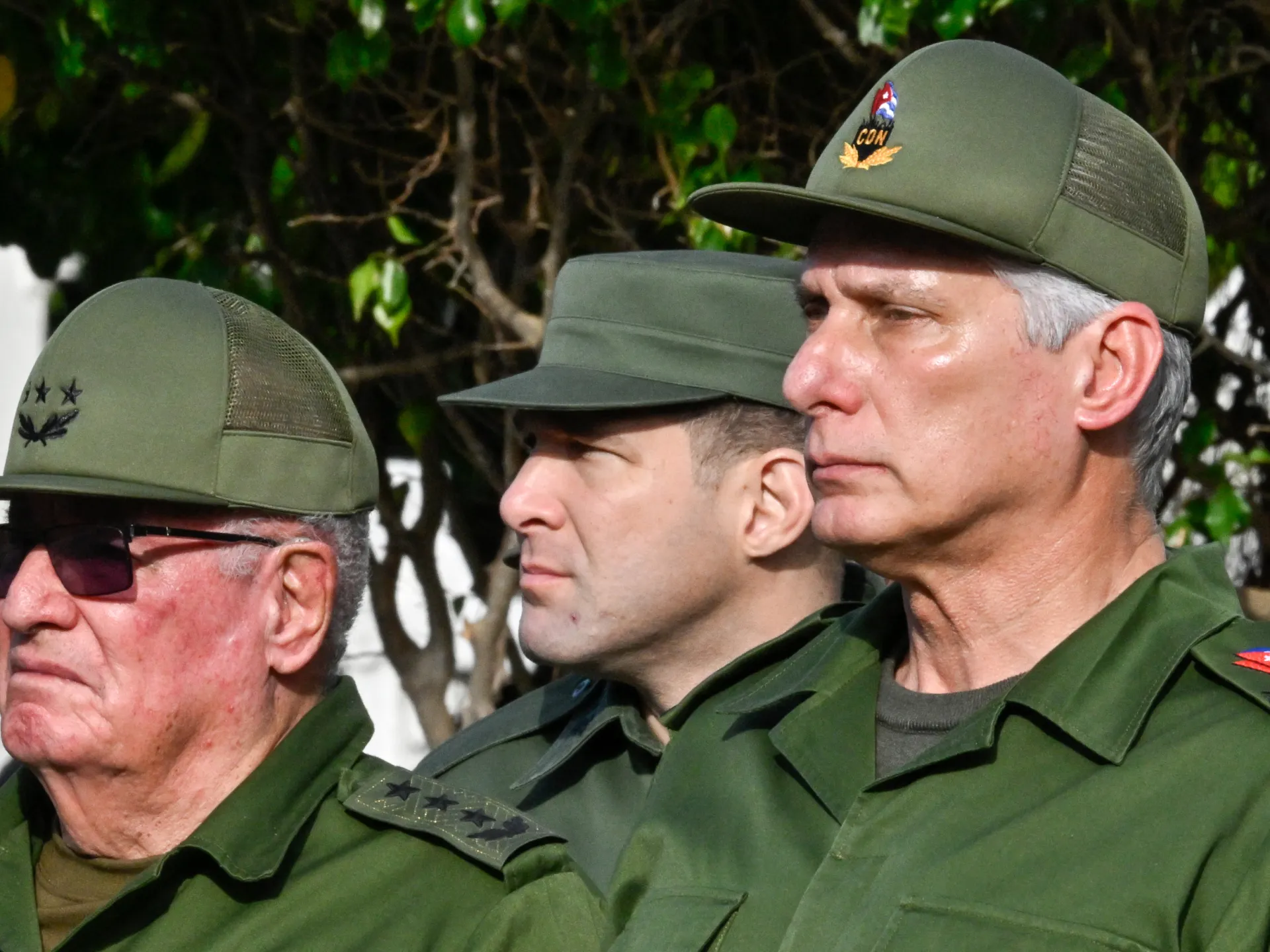
Cuban President Miguel Diaz-Canel has asserted the island nation’s “absolute legitimate right” to defend itself against potential United States military aggression, warning that any such action would result in a “bloodbath” with incalculable consequences for regional peace. The statement, issued via social media on Monday, comes amidst a sharp escalation in rhetoric and policy measures from the Trump administration, which has long maintained a wholesale trade embargo against the Caribbean state.
Diaz-Canel stated that Cuba does not seek confrontation and possesses no “aggressive intentions” against any country. However, he described the threat of military aggression from the “world’s greatest power” as an “international crime” in itself. He cautioned that if those threats were to materialise, the resulting conflict would trigger widespread violence and severely damage stability across the region.
The presidential address followed a report by Axios, which cited classified information claiming that Cuba had amassed more than 300 drones. The report suggested these assets could be used to attack US military forces or the state of Florida. The claim has been met with strong scepticism by international observers and remains unverified, yet it has contributed to the heightened atmosphere of tension surrounding the island.
Concurrently, the Trump administration announced new sanctions targeting Cuba’s directorate of intelligence, further ramping up pressure on the government. These measures add to the existing economic strain caused by the long-standing trade embargo, which has been in place since the 1960s. An ongoing energy blockade has recently exacerbated the situation, contributing to nationwide blackouts and severely impacting the fragile Cuban economy.
Reactions within Cuba to the latest pressure campaign have been mixed, ranging from defiance to exhaustion. Sandra Roseaux, a 57-year-old resident, told Reuters that Cubans are brave and prepared to fight if invaded. She emphasised that despite current hardships, including hunger, the country would respond vigorously to any external attack, noting that it is preferable for adversaries not to come because “there will be a fight.”