Fatah consolidates Abbas control as General Conference results spark reform concerns
Critics and Western governments question the democratic viability of the new Central Committee, which retains significant representation from security officials and Palestinian Authority employees.
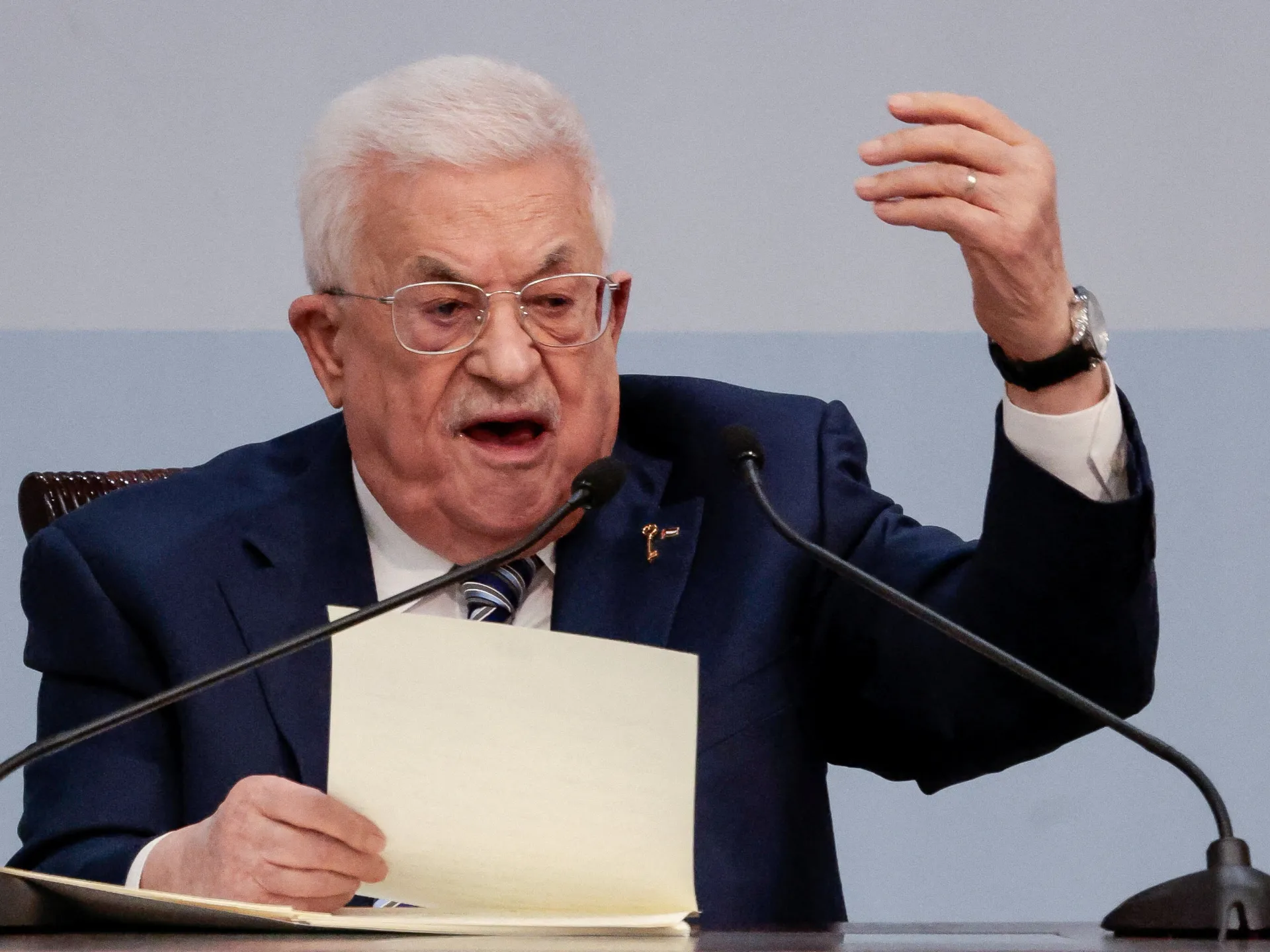
The Palestinian political group Fatah has concluded its eighth General Conference, finalising the composition of its Central Committee and Revolutionary Council. The election results, announced on Monday afternoon following a delay that drew criticism, confirm a leadership structure that analysts and internal critics argue consolidates the authority of President Mahmoud Abbas rather than delivering substantive democratic renewal.
Abbas, the 91-year-old Palestinian President, was unanimously elected chair of the Central Committee ahead of the voting process, a move that foreshadowed the outcome. The new body replaces approximately half of the incumbent members, including all but one representative from Gaza. However, the incoming leadership remains heavily populated by Abbas’s allies, security officials, and current or former Palestinian Authority employees.
Significant attention has focused on the election of Yasser Abbas, the President’s son, to the Central Committee despite his lack of prior leadership experience within the party. This development has intensified accusations of nepotism and undermined Fatah’s narrative that the conference represents a commitment to inclusivity and democratic vitality. Similarly, Dalal Erekat, daughter of the late chief negotiator Saeb Erekat, secured a seat despite having no history of involvement in the group.
Imprisoned figures also secured representation, with Marwan Barghouti receiving the highest number of votes among all competitors for the Central Committee. Zakariya al-Zubaidi, who escaped Gilboa prison in 2021 before being freed in a prisoner exchange, also won a seat. Despite these inclusions, the overall composition is viewed by many as a victory for the executive branch, with critics noting that the new cohort largely consists of technocrats and officials who operate under presidential direction.
The absence of any Fatah representative from outside Palestine marks the first time in the party’s history, a shift seen as concerning for the diaspora. Meanwhile, Western governments, which view Fatah as the primary counterpart for bilateral relations, are demanding genuine reforms in exchange for increased support to the Palestinian Authority. Fatah issued a statement outlining general policy lines but provided no specific strategies to address the group’s internal challenges or the broader crises facing the Palestinian Authority.