Croatia detains Ukrainian diver in renewed Nord Stream extradition bid
The arrest of Volodymyr Zhuravlev in Zagreb tests the jurisdictional limits of the European arrest warrant after a Polish court previously rejected Germany’s claim.
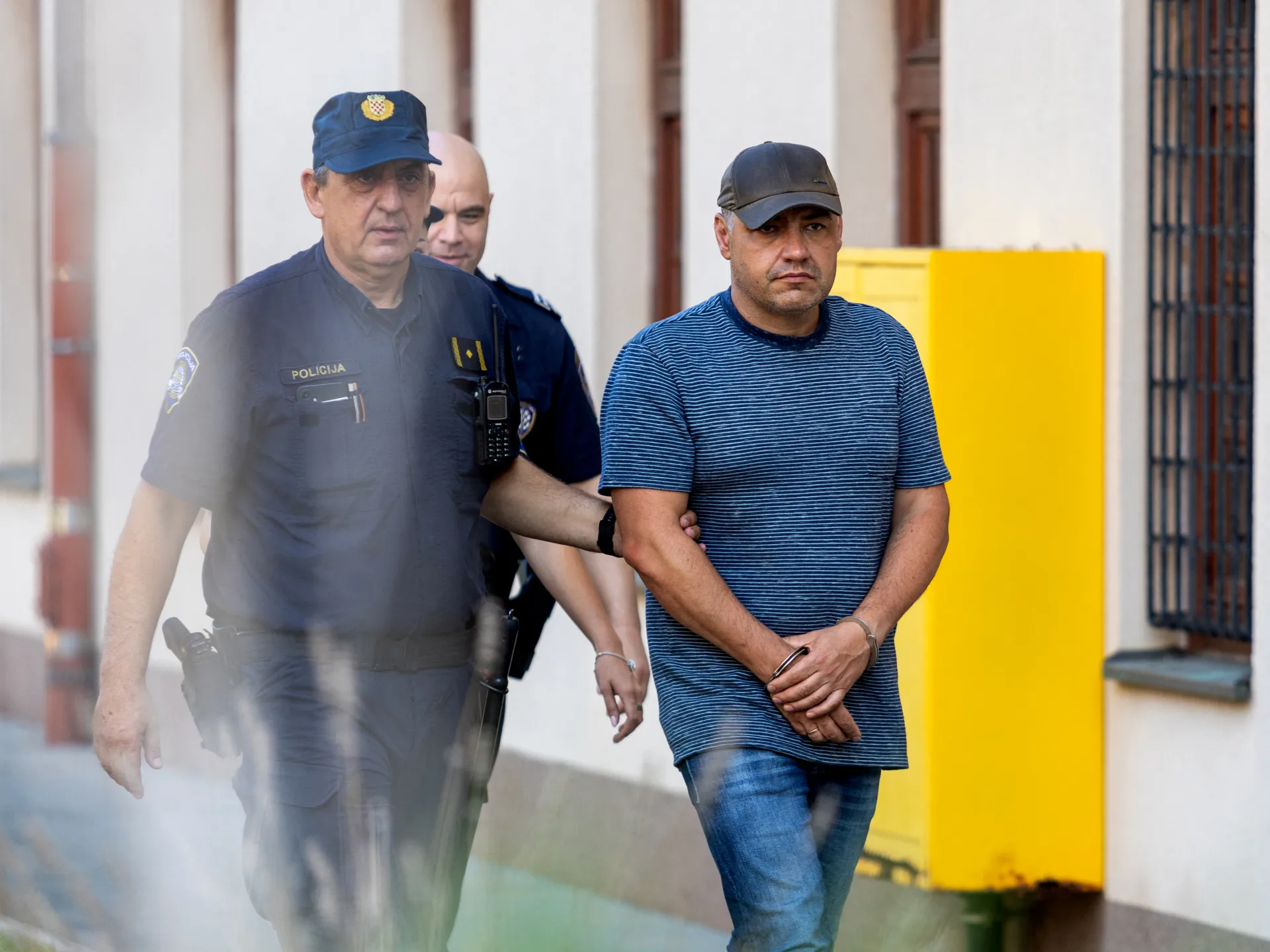
Croatian authorities have detained Ukrainian scuba diver Volodymyr Zhuravlev in Zagreb on a European arrest warrant issued by Germany. The detention marks a significant development in the ongoing investigation into the 2022 explosions that damaged the Nord Stream gas pipelines beneath the Baltic Sea. German federal prosecutors allege that Zhuravlev was part of a team that attached explosives to the pipelines near the Danish island of Bornholm.
At the time of his arrest, Zhuravlev was working as a consultant on the set of the Hollywood film Snake Island, a dramatic reconstruction of the incident. The film, directed by Doug Liman and starring Sean Penn and Adrien Brody, is being produced in Croatia. German media reported that Zhuravlev had been identified in prosecution filings as "Vladimir Z" under German privacy rules.
The arrest follows a complex legal history involving multiple European jurisdictions. In 2024, Zhuravlev evaded arrest in Poland and fled to Ukraine. A Polish court subsequently refused to enforce the German warrant, ruling that Germany lacked jurisdiction and that the destruction of the pipelines could be viewed as a justified defensive act by Ukraine. Poland has historically opposed the Nord Stream projects, which threatened to bypass Ukrainian transit routes and reduce annual gas fees.
His Polish defence lawyer, Tymoteusz Paprocki, has argued that a Croatian court hearing the case would amount to a ruling on a matter already decided in Poland. This legal challenge highlights the tensions within the European Union regarding the enforcement of arrest warrants and the definition of state jurisdiction in cases involving geopolitical energy infrastructure.
The broader investigation remains active in Germany, while Denmark and Sweden closed their respective inquiries in 2024. In July 2026, German prosecutors charged a former Ukrainian army officer, Serhii K, alleging he acted on behalf of Ukrainian intelligence. Serhii K was arrested in Italy in August 2025 and transferred to Germany in November 2025. The Ukrainian government continues to deny any official involvement in the pipeline explosions.
Zhuravlev denies involvement in the sabotage, and his lawyers are expected to challenge his extradition to Germany. The case now shifts to Croatian courts, where the interplay between national sovereignty and European legal frameworks will determine the next steps for the suspect.