Al-Makha port closure disrupts Yemeni trade and livelihoods
Sustained Houthi strikes have forced the suspension of operations at the al-Makha port, halting trade for 30 agencies and leaving 1,500 workers without income.
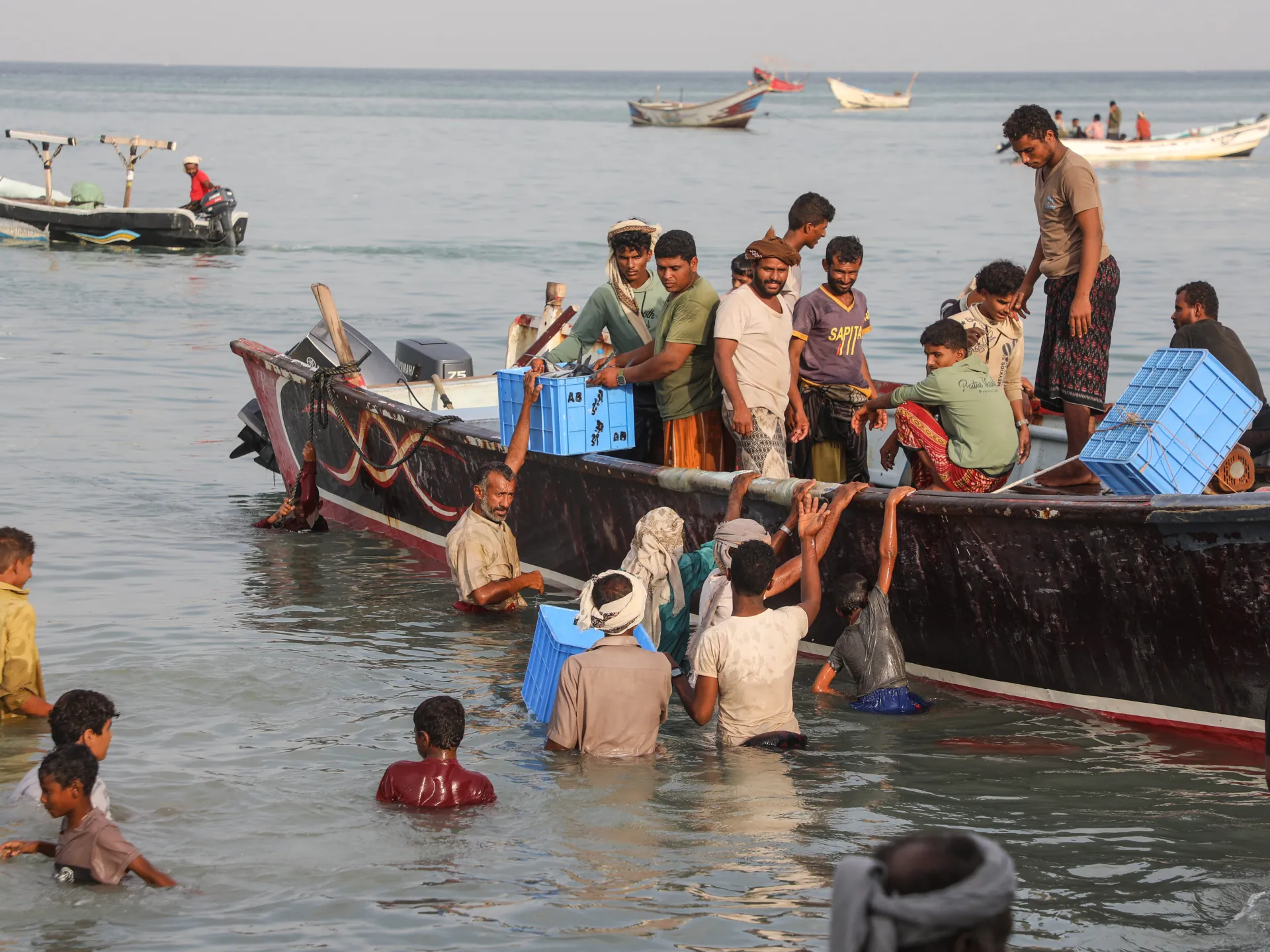
The al-Makha port in western Yemen has suspended operations following a series of Houthi drone and missile strikes that began on 9 August. The attacks, which targeted the port and surrounding areas, have resulted in at least 16 deaths and 22 injuries among port staff and civilians. Abdulmalik Al-Sharabi, the director of al-Makha port, confirmed that the facility halted operations to protect the safety of its 1,500 workers after repeated strikes damaged critical infrastructure.
The closure has effectively stopped operations across 30 shipping and customs clearance agencies, creating immediate economic disruption. Al-Sharabi noted that the strikes specifically targeted commercial and service areas, workshops, equipment, and the port pier, rendering the facility inoperable. At least six merchant vessels carrying commercial cargo have been struck since the recent escalation in violence, with casualties reported among both civilians and seamen.
For the local workforce, the suspension has translated into an immediate loss of income. Mohammed Al-Homaidi, a labourer who has worked at the port since its reopening in 2021, described the shift from economic reliance to a focus on personal safety. As a daily-wage earner, Al-Homaidi reported that his family’s food supplies are running out, highlighting the vulnerability of workers who lack savings or alternative employment options in the region.
The instability has also affected the fishing industry, a secondary source of income for many residents. Local authorities have ordered fishermen not to go out to sea, yet a group of fishermen who ventured out on 11 August have not returned. Abdulraoof Abdullah, a fisherman, stated that he has not been to sea since 11 August due to the danger, leaving his eight family members without a primary source of income.
Trade routes are being significantly altered by the closure. Traders who previously used al-Makha as a cost-effective entry point are now forced to reroute imports via the port of Aden. Rashad, a local trader, explained that goods currently held in Djibouti will be redirected to Aden, resulting in significantly higher overland transport costs to al-Makha. While current warehouse stocks have prevented an immediate price spike, traders anticipate that future shipments will incur higher logistics costs, likely driving up food prices in the Taiz governorate and surrounding areas.
The al-Makha port had been closed between 2015 and 2021 before reopening as an economic lifeline for Taiz governorate and other hubs such as Lahj, Hodeidah, and Ibb. The current suspension follows the collapse of a long-standing truce between the Yemeni government and Houthi forces last month. With landline and mobile communications blacked out in the region, residents are relying on satellite internet where affordable, while a strict nightly curfew for motorcycles remains in place from 11pm to 6am.