Court order opens transfer portal path for former NFL running back T.J. Harden
A temporary restraining order against the NCAA allows 16 players, including T.J. Harden, to pursue a fifth season of college eligibility after brief stints in the NFL.
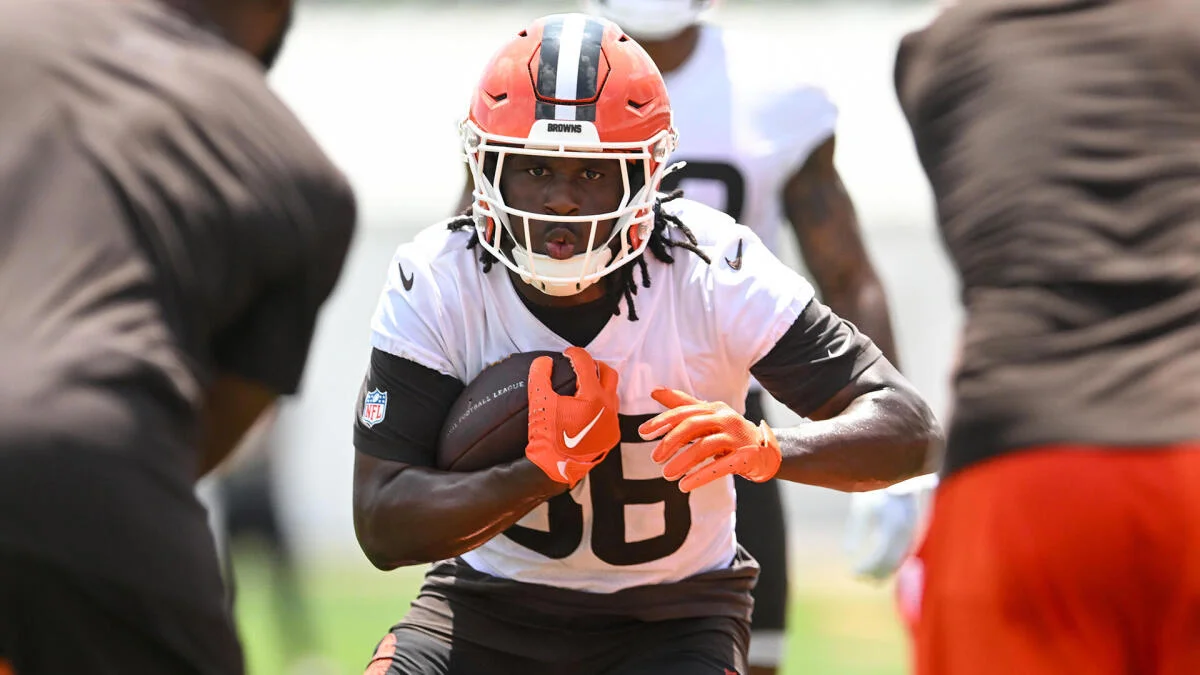
Former Cleveland Browns and Seattle Seahawks running back T.J. Harden has entered the NCAA transfer portal, citing a court ruling that grants him an additional season of eligibility. The move follows his waiver by the Seattle Seahawks on 18 August 2026, just two days after he joined the team. Harden’s decision highlights the shifting landscape of athlete mobility as legal challenges to standard eligibility rules gain traction.
Harden, who played three seasons at UCLA before transferring to SMU for his senior year, accumulated 2,445 rushing yards and 21 touchdowns over his college career. After going undrafted in the 2026 NFL Draft, he signed with the Browns as an undrafted free agent but was waived on 3 August. He subsequently signed with the Seahawks, appearing in their first preseason game against the Dallas Cowboys with two carries for one yard and one fumble recovery before being released.
The legal basis for Harden’s return to college football stems from a temporary restraining order (TRO) secured by a group of 16 players against the NCAA. These athletes argue that recent NCAA rule changes, which permit players to play five years within a five-year span starting from enrolment or the academic year following their 19th birthday, should extend to those who have already exhausted their previous four years of eligibility.
A previous court ruling granted preliminary relief to Division I athletes who began their college careers in 2022-23 and used up their four seasons of eligibility. A subsequent order in Louisiana extended this immediate relief to players whose circumstances included signing NFL contracts or participating in NFL training camps. This specific provision enabled Harden and others in his cohort to pursue further college football while the broader legal case proceeds.
The TRO does not constitute a final ruling in the lawsuit but provides immediate operational relief for the affected players. This development marks a notable reversal in the typical trajectory of professional athletes, who historically moved from college to the NFL rather than the reverse. The case draws parallels to the 2004 dispute involving Maurice Clarett, who challenged NFL rules regarding high school graduation timing, though the current situation is driven by the financial feasibility afforded by name, image, and likeness (NIL) rules.
The ability for players to sign endorsement deals has made it more financially viable for athletes to remain in school or return to it, even after signing professional contracts. For players who are not retained by NFL teams, the TRO offers a structured pathway to continue their athletic careers at the collegiate level, pending the final outcome of the litigation against the NCAA.