Congressional effort to ban VIP prison treatment for pardoned traffickers stalls
Rep Norma Torres’ amendment to the 2027 appropriations bill was rejected by the House Appropriations Committee along party lines, though she intends to revisit the measure.
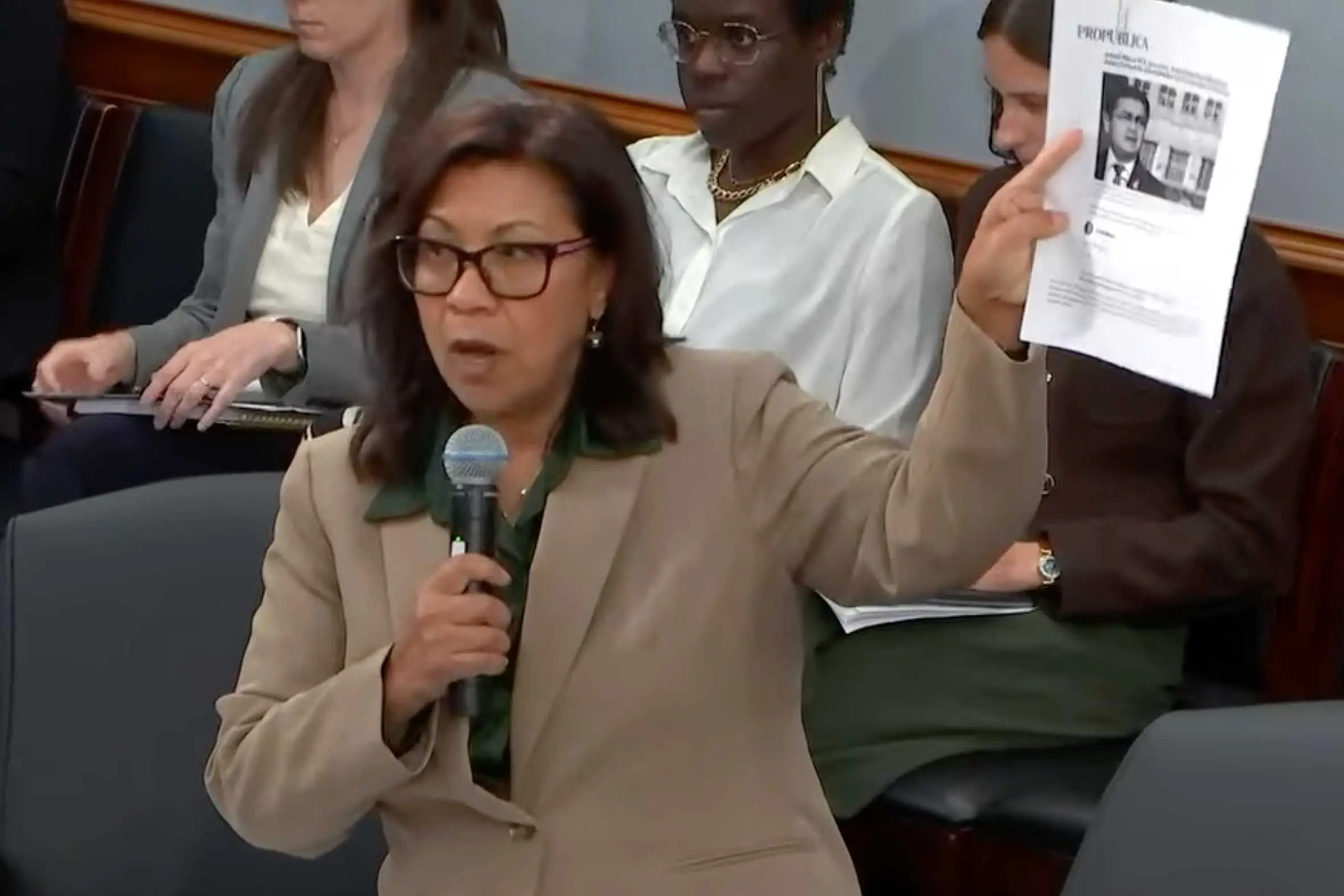
US Representative Norma Torres has introduced an amendment to a House appropriations bill to prohibit the Federal Bureau of Prisons from using taxpayer funds to provide special accommodations, transportation, or the lifting of immigration detainers for convicted drug and child traffickers, even those who have been pardoned. The measure follows a ProPublica report detailing the preferential treatment afforded to Juan Orlando Hernández, the former Honduran president pardoned by Donald Trump, who was driven to a New York hotel by a tactical team after his release. The amendment was rejected by the House Appropriations Committee along party lines, but Torres intends to raise the issue with the Rules Committee.
The legislative push comes in response to details regarding the release of Hernández, who was sentenced to 45 years in prison for taking bribes and allowing drug traffickers to export more than 400 tons of cocaine to the US. Despite an active immigration detainer, the Federal Bureau of Prisons worked to remove the hold, allowing Hernández to walk free. Instead of standard travel assistance, prison officials paid a four-man tactical team overtime to drive him six hours from a high-security facility in West Virginia to the Waldorf Astoria hotel in Manhattan.
Torres sought to bar the bureau and other agencies from using taxpayer dollars to give convicted drug traffickers and child traffickers special accommodations or transportation, as well as from lifting any detainers not provided to other inmates. She stated that taxpayer dollars should not be used to give convicted criminals special accommodations, lifted legal holds, or government-funded transportation, adding that the American people deserve a government that enforces the law fairly and holds powerful criminals accountable.
The amendment hit a stumbling block when the House Appropriations Committee voted along party lines against including it in its proposed 2027 spending bill. Thirty-one Republicans opposed the measure while 27 Democrats supported it. Rep Hal Rogers, a Kentucky Republican, opposed the amendment, calling it performative and unnecessary, though he did not provide further explanation to the committee.
Torres plans to raise the issue before the Rules Committee, which can decide whether previously rejected amendments still get a vote on the House floor. However, the committee’s 9-4 Republican majority makes passage unlikely in the current Congress. A Bureau of Prisons spokesperson declined to comment on the measure, while ICE had previously referred questions to the White House, which did not respond to a request for comment.