Chile probes Cabello for dissident killing as US maintains ties
Rafael Enrique Gámez Salas, a gang member arrested in the US, awaits extradition. The Trump administration continues engagement with Cabello citing strategic interests in oil and stability following the capture of Nicolás Maduro.
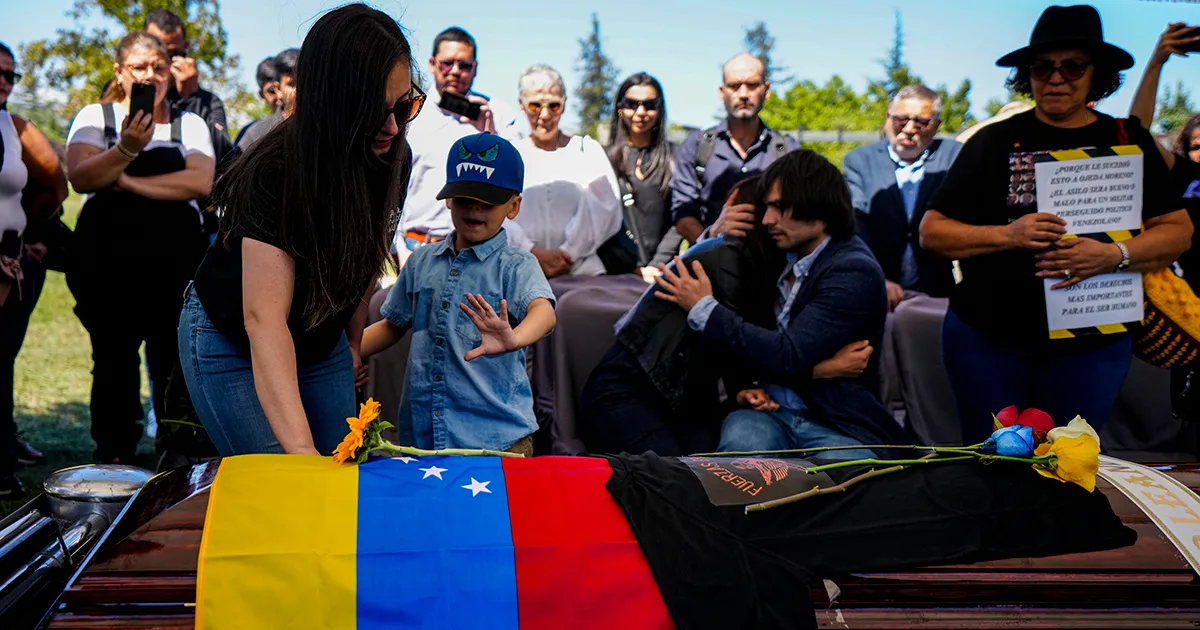
Chilean authorities are investigating Venezuelan Interior Minister Diosdado Cabello for his alleged role in the kidnapping and murder of exiled dissident Lt. Ronald Ojeda in Santiago. The investigation centres on claims that Cabello hired the Tren de Aragua gang to carry out the crime. Rafael Enrique Gámez Salas, a gang member arrested in the United States, is awaiting extradition to Chile to face charges. Despite these serious allegations and prior US indictments against Cabello, the Trump administration continues to engage with the Venezuelan official, citing strategic interests in Venezuela’s oil and regional stability following the capture of President Nicolás Maduro.
Chile’s attorney general and other senior officials have stated that Cabello became an investigative target based on testimony of captured suspects. The 32-year-old Ojeda had been granted asylum in Chile. Authorities say they suspect that Cabello paid Tren de Aragua’s top leadership and that they, in turn, commissioned gang members in Chile, led by Gámez, to kidnap the former soldier. Chilean prosecutors believe Ojeda died while his captors were torturing him to get information about the Venezuelan political opposition.
Before Maduro’s capture, U.S. authorities had charged Cabello and a top leader of Tren de Aragua in the same drug trafficking indictment as Maduro and offered a $25 million reward for him. Yet, the Trump administration has left Cabello in place despite longtime U.S. accusations that he has led the repression of political opponents and enriched himself in illicit partnerships with criminal groups. Cabello has had a seat at the table during visits to Caracas by senior U.S. officials, including Interior Secretary Doug Burgum, for negotiations over issues such as Venezuela’s lucrative mining sector.
U.S. officials have aided Chilean counterparts with the extradition process, but they have not used the case to press Venezuelan authorities to oust, arrest or hand over Cabello, current and former U.S. officials said. Asked at a press conference in May if the U.S. still considers Cabello a narcoterrorist, Secretary of State Marco Rubio gave a brief answer. “The policy of the United States on that topic has not changed, and when it changes we will let you know,” he said.
Todd Robinson, a retired senior U.S. diplomat who served as ambassador in Caracas, said Cabello’s continuing power raises questions about whether the stated U.S. commitments to advancing the rule of law in the hemisphere are real or a cover for its interests in exploiting Venezuela’s oil. “It’s just a horrible, horrible idea to leave him in place,” said Robinson, who was expelled from Venezuela in 2018 after criticizing human rights abuses. “I don’t know what their aim is in doing that, unless it really is about oil, not democratic transition.”