Centralised energy systems face escalating geopolitical risks, report advocates for decentralised alternatives
An Al Jazeera article argues that war and conflict have exposed the fragility of large-scale energy networks, pointing to attacks on sites in Ukraine and Iran. The author contends that decentralised renewable systems offer a proven path to greater resilience and security.
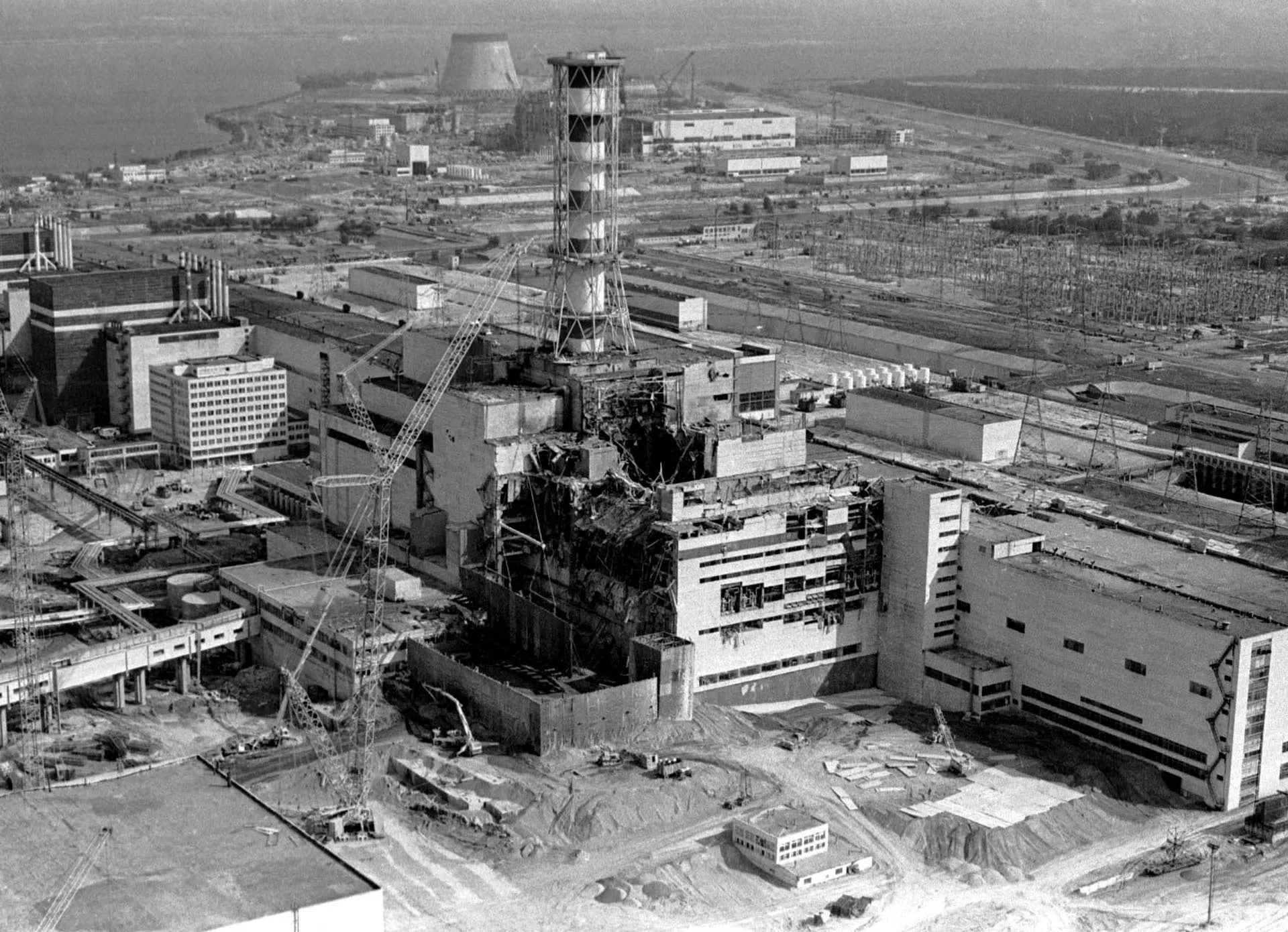
Forty years after the Chornobyl disaster, a new assessment published by Al Jazeera suggests that the world is facing renewed threats to nuclear infrastructure and fossil fuel supplies. The piece argues that centralised energy systems have become increasingly vulnerable to acts of war and geopolitical shocks, turning essential utilities into targets of conflict.
The article highlights specific dangers currently facing nuclear facilities in Ukraine and Iran. In Ukraine, military activity continues near nuclear sites, including the illegal occupation of the Zaporizhzhia Nuclear Power Plant and recent damage to the New Safe Confinement structure caused by a Russian drone attack. Meanwhile, in Iran, multiple nuclear sites have been repeatedly bombed, with the International Atomic Energy Agency confirming that US-Israeli strikes occurred within 75 metres of the Bushehr Nuclear Power Plant.
These threats to nuclear infrastructure are compounded by disruptions to the global fossil fuel system. Conflicts, particularly the war on Iran, have exposed the fragility of oil and gas supplies. Disruptions to key trade routes, such as the Strait of Hormuz, have driven up prices, exacerbating a prolonged cost-of-living crisis for households worldwide. The author notes that no one should be forced to pay higher bills due to wars in which they have no involvement.
Both nuclear and fossil fuel systems concentrate risk in large, centralised infrastructure that can be targeted or blockaded. In a world defined by geopolitical tension and economic volatility, the consequences of such failures are global and borne by humanity. The article asserts that these crises point to a structural problem where energy systems are weaponised or disrupted at strategic chokepoints.
In contrast, the piece advocates for decentralised renewable energy with storage as a safer and more resilient alternative. Since the start of Russia's full-scale invasion of Ukraine, decentralised solar and battery systems have successfully kept hospitals, schools, and critical services running despite repeated attacks on the national electricity grid. These systems are described as faster to deploy, easier to repair, and harder to disable than centralised networks.
The author concludes that renewable energy reduces exposure to geopolitical shocks and limits the ability of energy systems to be weaponised for political leverage. Unlike fossil fuels, which rely on contested shipping lanes and pipelines, the sun and wind are not controlled by any state or corporation and cannot be blockaded. The article poses the question of whether nations will continue to build systems that amplify risks or commit to investing in those that reduce them.
The views expressed in this article are the authors' own and do not necessarily reflect Al Jazeera's editorial stance.