Celine Dion’s stardom reshaped by authenticity, fashion and a Paris return
Media professor Nick Rees-Roberts says Dion’s appeal crosses generations and turns celebrity into an experience built around fandom, belonging and collective memory.
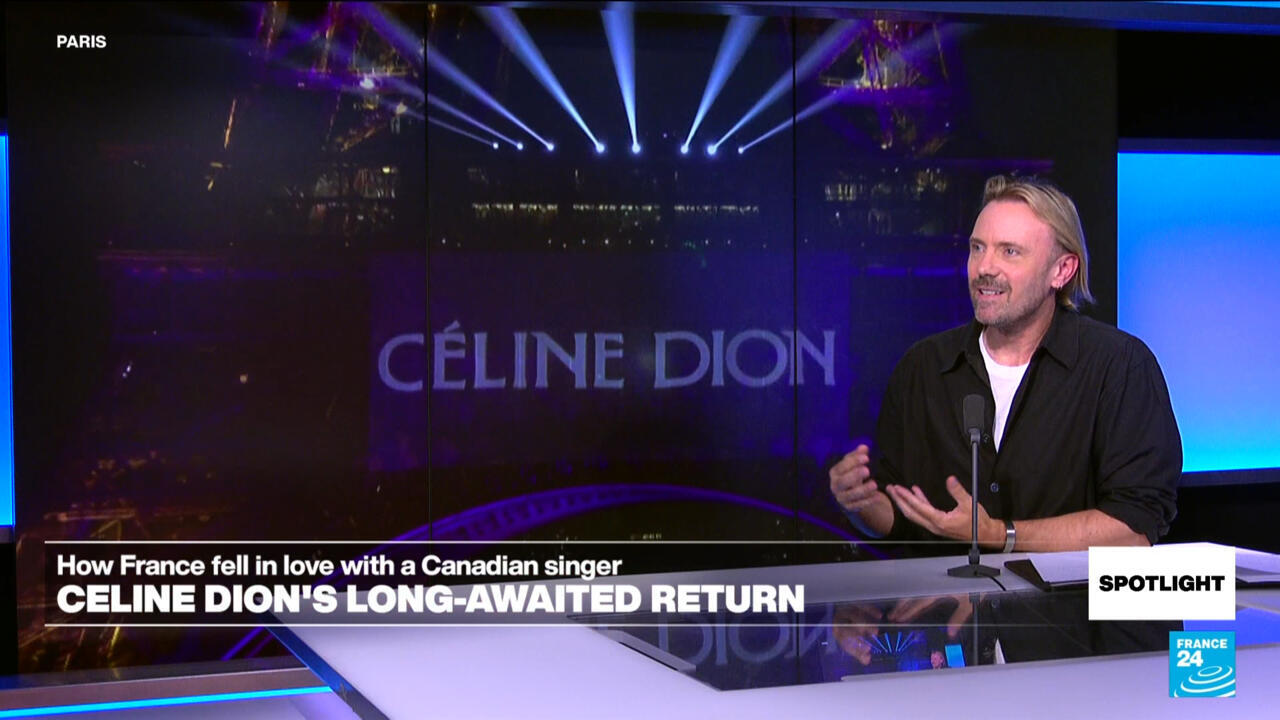
Celine Dion’s enduring popularity reflects more than the reach of her music, according to Nick Rees-Roberts, Professor of Media, Culture and Communication at Sorbonne Nouvelle University in Paris.
In an interview published by France 24, Rees-Roberts described Dion as a star who bridges generations, languages and cultural hierarchies. Her career has moved from that of a young Québécois Eurovision winner to global pop performer, with songs embedded in mass cultural memory.
He said Dion’s public persona — funny, eccentric and seemingly “unfiltered” — has helped create an impression of authenticity. That perception exists alongside the highly managed systems of fashion, branding and celebrity performance surrounding her, producing a tension between a constructed public image and an audience’s sense of a genuine person.
Dion’s Paris residency, Rees-Roberts argued, extends the traditional concert into a destination experience. It combines fandom with tourism, fashion and the experience economy, with audiences travelling to the star and making Paris part of the performance’s wider cultural meaning.
Her return following illness also draws on the enduring popular-culture narrative of the comeback. Rees-Roberts linked that story to Dion’s performance at the 2024 Paris Olympics, her association with the Eiffel Tower and her residency.
He also pointed to a reassessment of Dion’s cultural status. Once associated by some critics with sentimentality and kitsch, she has gained broader legitimacy in part through fashion and an increasingly distinctive public persona. Her appeal, Rees-Roberts said, shows how fandom can offer participation, belonging and collective memory across generations.