Ceasefire breached as Iran strikes UAE oil infrastructure
UAE Defense Ministry confirms drone and cruise missile assault on key facility, resulting in fire and market volatility
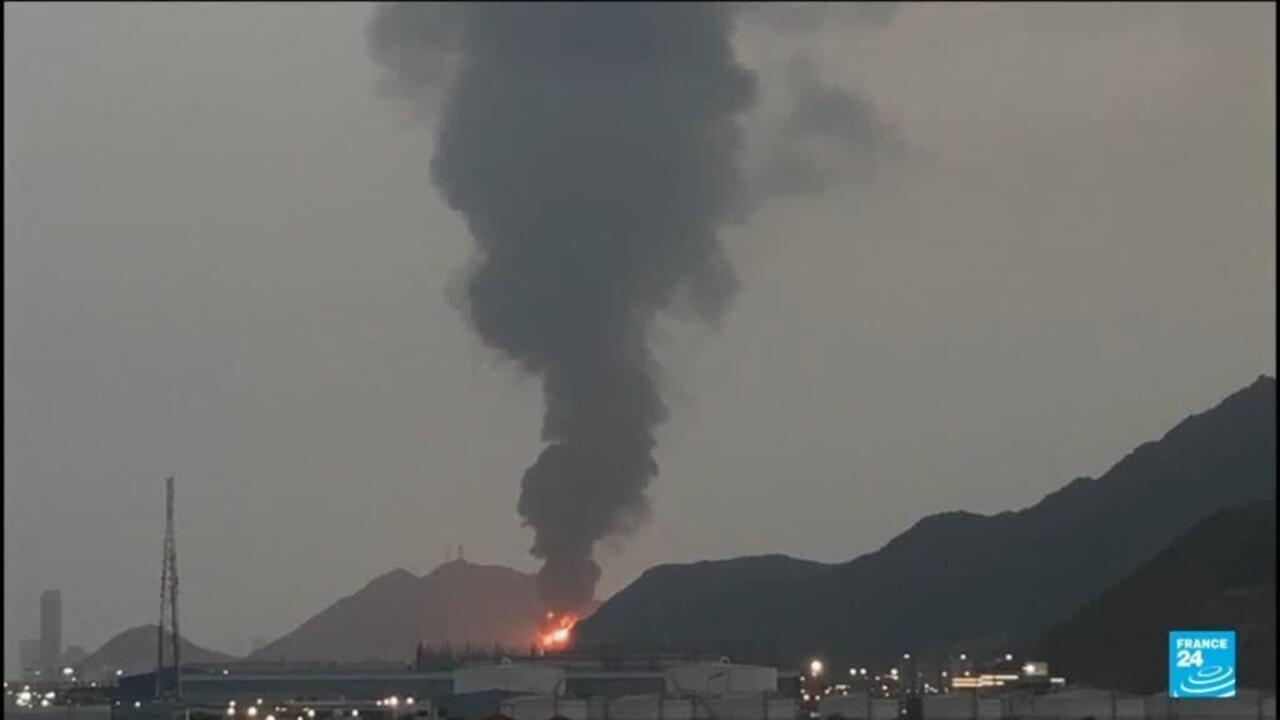
The United Arab Emirates has confirmed that Iran launched a coordinated attack involving drones and cruise missiles against a key oil facility, marking the first breach of the fragile ceasefire that has held since early April. The UAE Defense Ministry attributed the strike directly to Tehran, noting that the assault resulted in a fire at the targeted infrastructure. This development signals a sharp escalation in regional tensions, undoing the relative calm that had characterised the period following the initial agreement.
The specifics of the missile engagement were detailed by the UAE authorities, who stated that Iran deployed four cruise missiles during the incident. In a display of defensive capability, the UAE intercepted three of the projectiles, while the fourth fell into the sea. Despite the successful interception of the majority of the threat, the impact on the ground was significant enough to ignite a blaze at the facility, underscoring the vulnerability of critical energy assets in the region.
The resumption of hostilities comes at a precarious time for global energy markets, which remain highly sensitive to instability in the Strait of Hormuz. Previous disruptions in this vital shipping lane have historically caused spikes in oil prices and threatened broader US-Iran ceasefire agreements. The current attack reinforces the fragility of the current diplomatic framework, suggesting that the underlying geopolitical disputes between the two nations remain unresolved despite the temporary cessation of direct conflict.
While the UAE has provided clear attribution and technical details regarding the missile interception, the specific identity of the oil facility targeted has not been explicitly named in the current reports. The Defence Ministry described it simply as a key facility, leaving the precise location unconfirmed in the immediate aftermath of the strike. This lack of granular detail regarding the specific infrastructure adds a layer of uncertainty to the assessment of the attack's long-term impact on production capacity.
The incident has already triggered a reaction in financial markets, with oil prices retreating as the threat to the Strait of Hormuz renewed concerns over supply chain security. The decline in pricing reflects the market's immediate recalibration in response to the fresh reports of attacks within the region. This volatility highlights how quickly geopolitical instability can translate into economic consequences, even when the physical damage to infrastructure is contained to a single site.
As the UAE and Iran navigate this new phase of confrontation, the focus now shifts to whether the ceasefire can be restored or if this incident represents a permanent shift in the nature of their relationship. The involvement of cruise missiles, which are typically associated with state-level strategic strikes, suggests a deliberate policy choice by Tehran to challenge the status quo. The coming days will be critical in determining if this breach leads to a broader conflict or serves as an isolated warning shot.