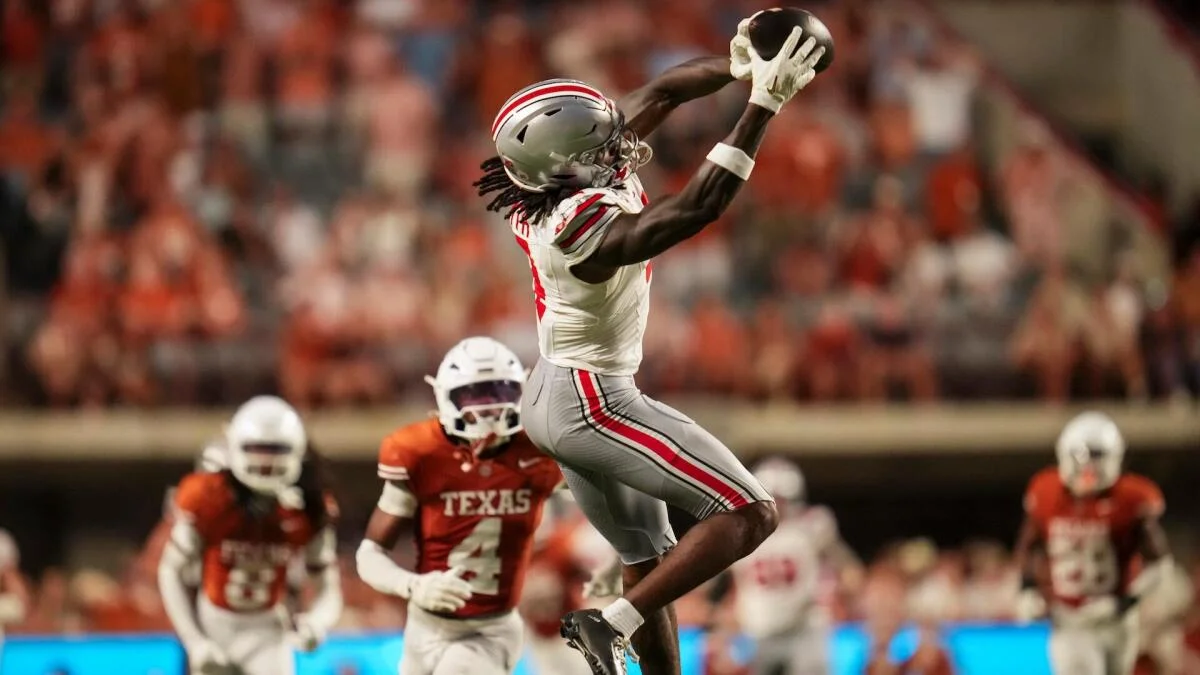
Big Ten Reclaims Historic Apex as AP Poll Highlights Structural Risks for Contenders
The 2026 preseason Associated Press Top 25 reveals a conference realignment in power, yet historical data suggests significant volatility for high-ranked teams facing roster turnover and brutal itineraries.
The Associated Press has released its 2026 preseason Top 25 college football poll, marking a significant shift in institutional power dynamics. Ohio State and Oregon have secured the No. 1 and No. 2 rankings respectively, a feat that places the Big Ten Conference at the summit for the first time in 65 years. This milestone echoes the 1961 season, when Iowa and Ohio State held the top spots, and follows the 1987 ranking of Oklahoma and Nebraska from the Big Eight. Defending national champion Indiana enters the season at No. 6, underscoring the conference’s depth.
While the Big Ten dominates the upper echelon, the SEC maintains a strong presence with Georgia at No. 3 and Texas at No. 5. Texas’s ranking has drawn scrutiny, particularly given the absence of first-place votes and the team’s challenging schedule featuring five top-11 opponents. Analysts point to lingering skepticism from the previous season, where Texas entered at No. 1 but failed to secure a playoff berth, as a factor in their current positioning despite a roster described as among the most expensive in the sport.
Conversely, USC’s placement at No. 14 has been flagged as potentially inflated. The Trojans, who reached the national championship game in January 2026, face a daunting six-game stretch within the Big Ten, including matchups against Oregon, Washington, Penn State, Wisconsin, Ohio State, and Indiana. Concerns regarding coaching continuity, specifically the appointment of Gary Patterson to run the defense, and significant roster turnover, including the departure of quarterback Carson Beck, suggest the ranking may not reflect the structural realities of their upcoming fixtures.
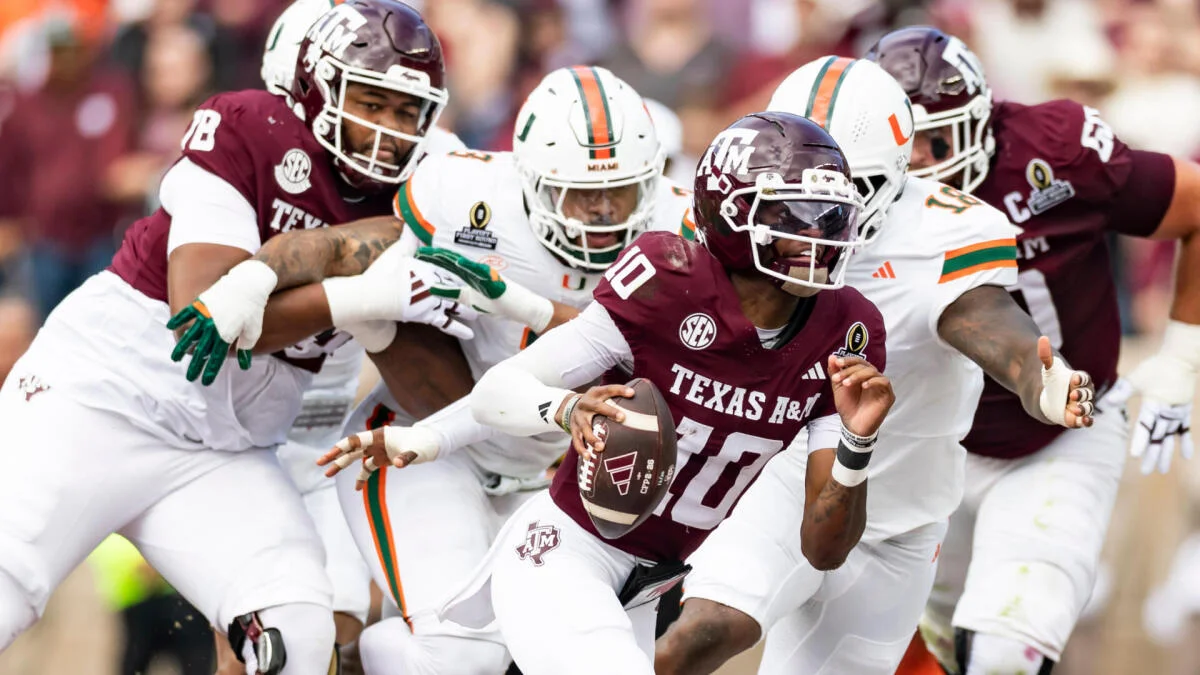
Miami, ranked No. 7, is identified as a primary contender for a top-four seed in the College Football Playoff. Their path is viewed as structurally sound, with a manageable schedule that features only one top-25 opponent, No. 4 Notre Dame. This contrasts sharply with the outlook for Texas A&M, ranked No. 8. The Aggies face a difficult away schedule against Oklahoma, LSU, and Alabama, compounded by the loss of ten NFL Draft picks from the previous year and changes in coaching staff, raising the risk of them falling out of the final rankings.
Historical trends reinforce the volatility inherent in preseason rankings. In 18 of the last 19 years, at least one team from the preseason top 10 has finished outside the final rankings. Last season, seven preseason top-15 teams failed to make the final poll, including No. 2 Penn State and No. 3 Clemson. Oklahoma, ranked No. 10, is highlighted as a candidate to finish unranked due to a brutal schedule and offensive inconsistencies, while No. 25 Missouri is viewed as a regression candidate following an 8-5 record in 2025.
Washington, ranked No. 15, presents an interesting case study in potential upside. With quarterback Demond Williams and coach Jedd Fisch, the Huskies are seen as capable of a playoff push if they can navigate a schedule that includes five top-22 opponents. However, the broader narrative of the 2026 poll is one of caution, where institutional strength is tested by the logistical and personnel challenges of the modern player-movement era.
Georgia, despite winning back-to-back titles in 2023, has not returned to the College Football Playoff National Championship Game since, highlighting the cyclical nature of conference dominance. As the season approaches, the data suggests that while the Big Ten has consolidated its top-tier position, the margin for error remains thin for teams facing structural headwinds.