Berlin Pride suspect released on suspended sentence despite known extremist links
Investigations reveal the 21-year-old had a history of radicalisation and a suspended juvenile term for preparing serious violence, sparking outrage over Germany’s judicial handling of known threats.
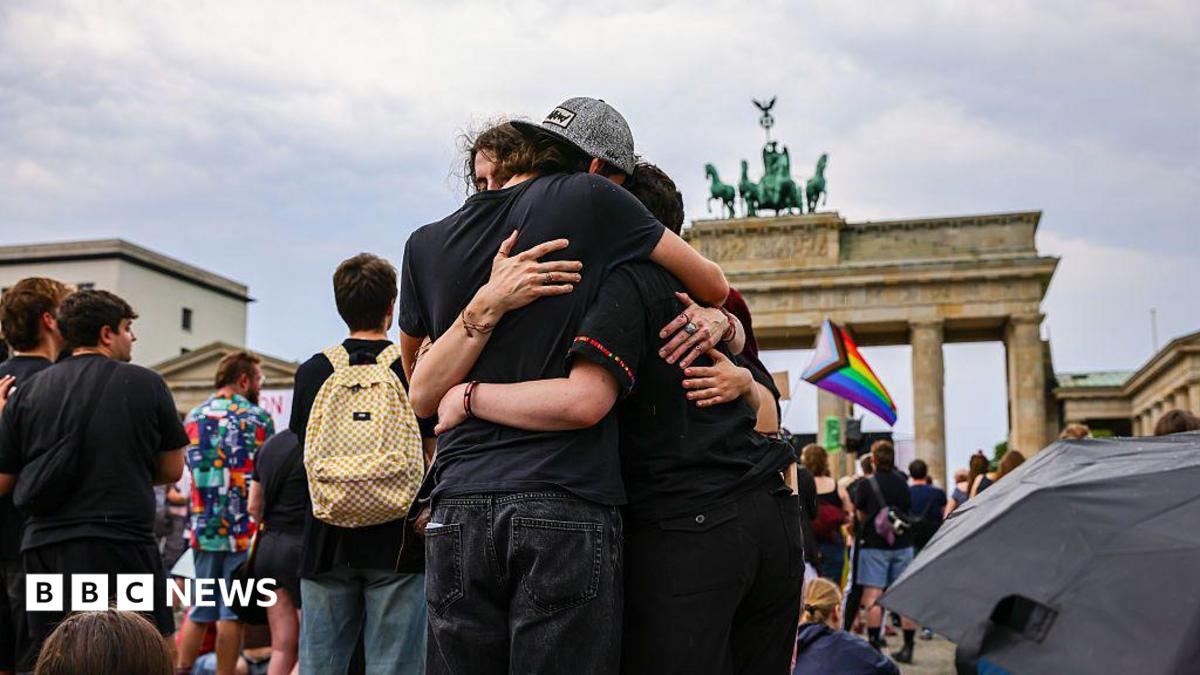
Germany is facing intense scrutiny following a ramming attack at the Berlin Pride parade that killed one Polish woman and injured at least 29 others. The main suspect, 21-year-old Abdul Ballout, was shot and killed by police on Sunday after a confrontation in the Spandau district. Authorities have classified the incident as a likely Islamist terror attack, with Interior Minister Alexander Dobrindt confirming that Ballout had previously drawn attention through criminal offences, radicalisation, and affiliation with the Islamist scene.
Details emerging from investigations indicate Ballout had a significant history of extremist activity. In 2025, he attempted to join the Islamic State in Syria, travelling via Turkey to Lebanon. He was arrested in Lebanon in July 2025 and sentenced to three months for incitement to religious conflict. Upon returning to Germany in November 2025, he was held in pre-trial detention. In May 2026, a Berlin court sentenced Ballout to a juvenile term of one year and ten months for preparing a serious act of violence endangering the state. The sentence was suspended while prosecutors appealed for a longer term; Ballout was released and placed under probation supervision.
The judicial handling of Ballout’s case has drawn sharp condemnation from political leaders and experts. Interior Minister Dobrindt described the decision to impose a suspended sentence as "certainly incomprehensible" given the level of danger involved. Berlin’s Governing Mayor Kai Wegner expressed shock, noting that while he respected judicial independence, he was "dumbstruck" by the outcome. The far-right Alternative for Germany (AfD) party labelled the attack a total failure of security policy, demanding a thorough investigation into why a known threat remained free.
Experts suggest Ballout’s risk profile was difficult to assess due to his behaviour during assessments. Thomas Mücke of the Violence Prevention Network noted that Ballout presented a "composed, cautious, controlled and very friendly" impression to social workers, complicating efforts to gauge his true intentions. Peter Neumann from King’s College London argued that Germany’s criminal law on terrorism is too lenient by European standards and called for a rethink of the juvenile justice system, which prioritises education over public protection.
Chancellor Friedrich Merz has pledged to address security vulnerabilities with "prudence but also determination," questioning why security authorities cannot track threats as effectively as mobile phone tracking. He has asked the interior ministry to review laws regarding monitoring jurisdiction to ensure that individuals classified as threats have their freedom of movement restricted as much as possible. The centre-left Social Democrats highlighted gaps in post-release surveillance, suggesting the issue lies in the application of criminal law rather than the legislation itself.