Berlin Pride attack marks latest in global surge of vehicle-based violence
Authorities in Berlin have identified a 21-year-old suspect associated with the city’s Islamist scene following a deadly vehicle attack at a Pride event, adding to a growing international pattern of mass casualty incidents involving cars and trucks.
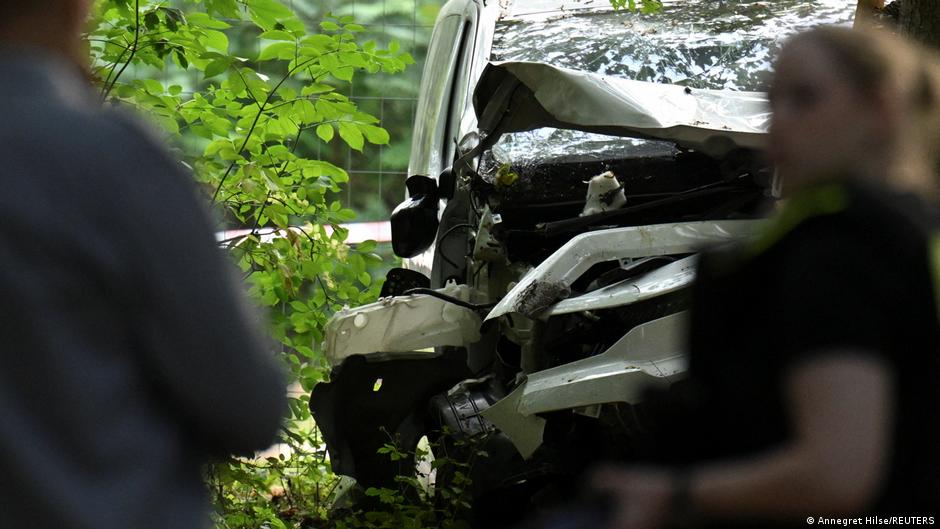
Police in Berlin have identified a 21-year-old suspect, named as Abdul B., as the individual responsible for a vehicle attack at the Christopher Street Day (CSD) Pride event on Saturday night. The incident resulted in one fatality and 16 injuries, with the suspect fleeing the scene following the collision. Law enforcement officials stated that the suspect is associated with Berlin’s “Islamist scene,” positioning this event as the most recent in a series of deadly vehicle attacks occurring across multiple jurisdictions.
The attack at the German capital’s annual Pride gathering, which typically draws thousands of attendees, has been characterised by authorities as part of a broader global trend. This pattern includes similar incidents in Leipzig, Mannheim, Munich, New Orleans, Sydney, and various European cities, as well as events in China and Canada, highlighting the widespread nature of vehicle-based violence in recent years.
Previous incidents in Germany have demonstrated the varied motivations behind such attacks. In early May, a 33-year-old German national drove a car through a crowd in Leipzig, killing two people and injuring 20. In Mannheim in 2025, a 40-year-old German man intentionally drove his car into a crowd, killing at least two people; authorities ruled out a political motive despite his prior conviction under hate crime laws. In Munich in February last year, a 25-year-old Afghan man killed a woman and her two-year-old daughter during a trade union demonstration, later standing trial for the murders and attempted murders of dozens of others.
International incidents further illustrate the complexity of these cases. In New Orleans in January 2025, a vehicle plowed into revelers on New Year’s Day, killing 14 people before the driver and two police officers were killed in a subsequent firefight, with the FBI investigating the act as terrorism. In contrast, the 2024 attack in southern China, which killed 38 people, was attributed by authorities to personal grievances regarding a divorce, resulting in the perpetrator’s execution.
Other cases have involved distinct ideological or psychological drivers. In Canada, a white nationalist killed four Muslim family members in a terrorist attack motivated by hatred, while another Canadian man sentenced to life in prison cited affiliation with the online “incel” community. In the United Kingdom, a spate of attacks in 2017 included incidents on Westminster Bridge and London Bridge linked to Islamist extremism, as well as a far-right radicalised attack in Finsbury Park. Meanwhile, in Australia, six people were killed in Sydney when a driver in a state of drug-induced psychosis struck crowds, and in Germany, a 50-year-old doctor with far-right views was sentenced to life in prison for a 2016 Christmas market attack.
The Berlin incident underscores the ongoing challenges faced by public safety authorities in managing diverse threats ranging from religious extremism to far-right violence and individual psychosis. As investigations continue in Berlin, the event serves as a stark reminder of the persistent risk posed by vehicle-based assaults in public spaces worldwide.