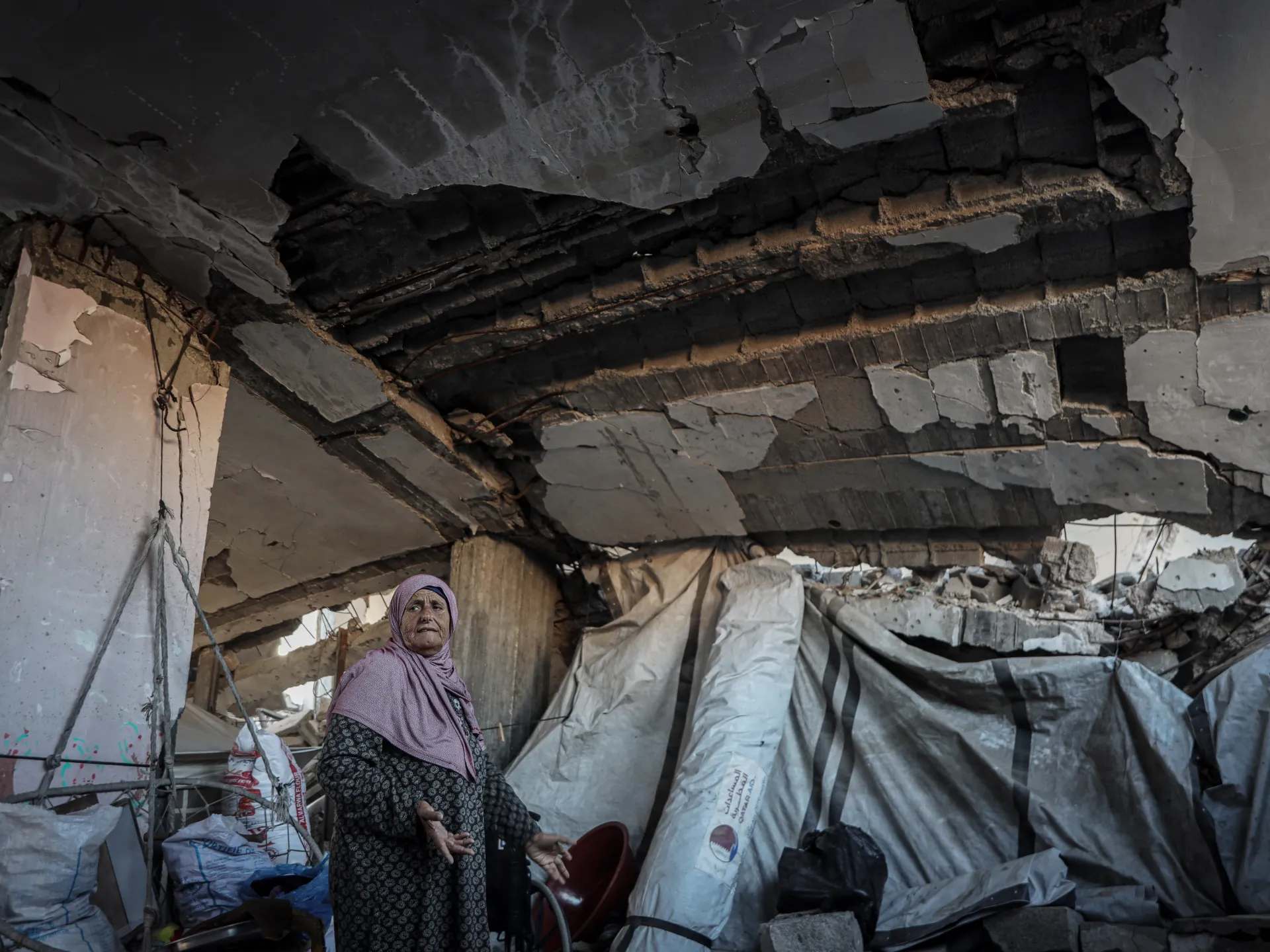
Berlin Approves $913m in Arms Exports to Israel, Dominated by Submarine Project
The surge in approvals, largely concentrated in April and May 2026, centres on the delivery of the INS Drakon submarine, raising questions about transparency and policy consistency amid ongoing conflict in Gaza.
The German government has approved nearly 800 million euros ($913m) in arms export licences to Israel during the first five months of 2026, a figure that surpasses the total value of approvals for the preceding 20 months combined. According to a reply from the Federal Foreign Office to a parliamentary question posed by the Alternative for Germany (AfD) party, the vast majority of these licences were cleared in April and May. The approvals come despite Berlin’s stated concerns regarding Israel’s military operations in Gaza and follow a brief suspension of export licences announced by Chancellor Friedrich Merz in early August 2025, which was lifted in November of that year.
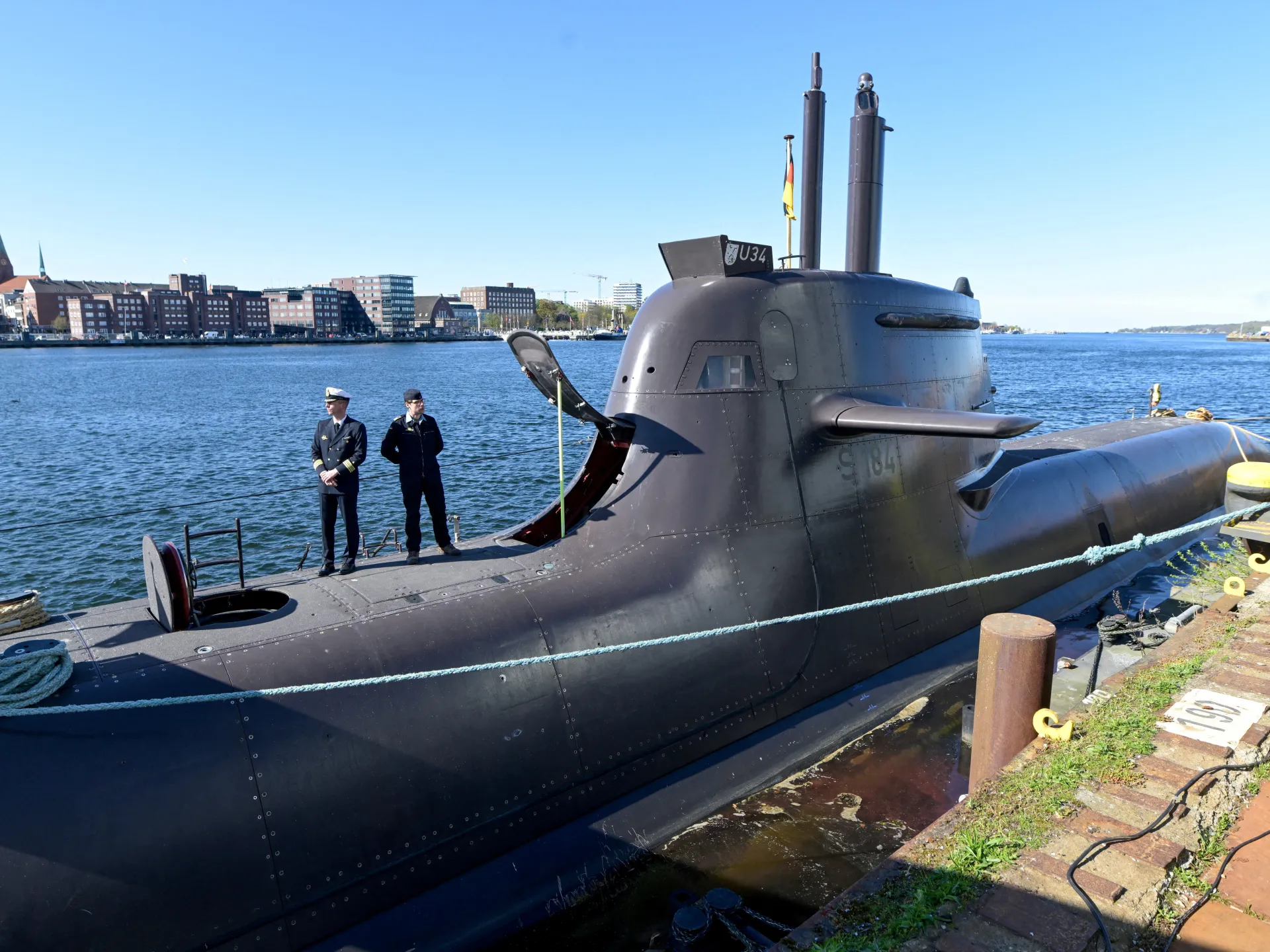
More than 60 per cent of the value of these licences is earmarked for a single, unnamed "major maritime project". Analysts widely identify this as the delivery of the INS Drakon, a nuclear-capable Dolphin II-class submarine built by ThyssenKrupp Marine Systems (TKMS). The vessel, which underwent its maiden voyage last year at a shipyard in Kiel, was reportedly handed over to the Israeli Navy last week. Its estimated value is 480 million euros ($548m). The submarine is believed to feature a vertical launching system capable of deploying nuclear-tipped cruise or ballistic missiles, which would make Israel only the second navy, after South Korea, to field such a system on a modern, air-independent propulsion submarine.
The approval process has drawn criticism for its lack of transparency. Max Mutschler, a senior researcher with the Bonn International Centre for Conflict Studies, noted that the federal government’s failure to explicitly mention the submarine in its disclosures is typical of the opacity surrounding arms exports. Both the German Foreign Office and the Ministry of Economic Affairs and Energy declined to comment on the specific matter. Mutschler argued that the economic perspective often outweighs humanitarian concerns in decision-making, stating that the potential for these shipments to be used in war crimes plays a significantly smaller role than the strengthening of the defence industry.
This surge in exports occurs against a backdrop of shifting public opinion and legal scrutiny. Reports indicate that Germany is helping finance approximately 30 per cent of the costs for the Drakon and roughly one-third of the future Dakar class submarines. The deal has long been subject to investigation by the Israeli judiciary over bribery allegations involving associates of Prime Minister Benjamin Netanyahu. Furthermore, the German government faced hesitation in the past due to legal concerns regarding proceedings at the International Court of Justice in The Hague and growing domestic opposition to arms sales to Israel.
Germany remains one of the world’s largest arms exporters, with total licences for the first six months of 2026 reaching 13.87 billion euros ($15.8bn), more than four times the amount in the same period in 2025. Ukraine remains the primary recipient of German arms. The boom in the defence sector is partly attributed to Russia’s invasion of Ukraine, but also to broader economic strategies as Germany seeks to double its military spending to 3.5 per cent of its GDP. TKMS, the manufacturer of the INS Drakon, was also recently selected by Canada as the preferred bidder to build up to 12 submarines in a deal valued at up to 18 billion euros.