Audit reveals major flaws in celebrated opioid research
A University of Tennessee audit found that a widely praised study on naltrexone for pregnant patients lacked institutional review board approval and misidentified its methodology.
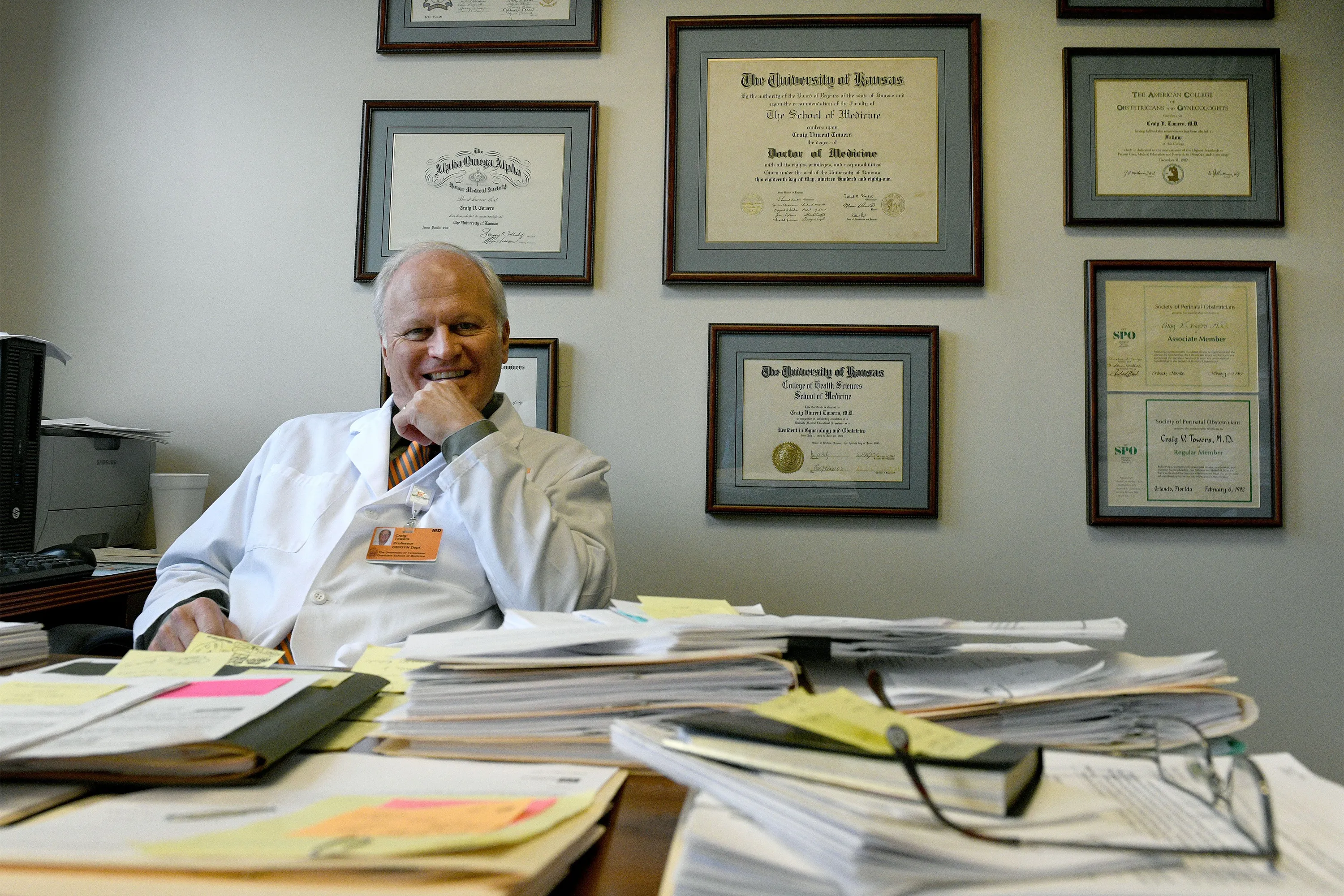
Research by Dr Craig Towers, a high-risk obstetrician at the University of Tennessee, was once hailed as a breakthrough in treating pregnant patients with opioid addiction. The study suggested that naltrexone, a non-opioid medication, could safely detoxify patients, challenging the standard medical doctrine that relied on methadone or buprenorphine. Clinics in Tennessee and Florida adopted the approach, and national media outlets described the outcomes as miraculous.
However, a university audit and subsequent expert reviews have identified significant procedural and methodological flaws. The audit determined that Towers failed to obtain institutional review board approval for the study and provided inaccurate or unverifiable source documentation. Additionally, the study was listed as a prospective cohort study, which tracks patients in real time, but was actually a retrospective analysis of prospectively collected data.
The discrepancy in methodology is central to the current scrutiny. Prospective studies are generally considered more rigorous as they capture data as it occurs, including patients who drop out. In 2023, the American Journal of Obstetrics and Gynecology published a 78-word correction clarifying that the study was not prospective. The journal’s publisher, Elsevier, stated that a correction was appropriate based on the information available at the time, despite the university’s request for a full retraction.
Specialists in addiction and pregnancy have raised concerns about the integrity of the research. In July 2020, eight experts drafted a letter to the university expressing concern that informed consent was not properly obtained from participants. The letter noted that the study did not mention patients who refused to participate or dropped out, which is common in clinical trials involving drug use.
The university’s audit further found that Towers could not designate which patients in his clinical practice database were actually part of the research. The institutional review board chair’s determination letter stated that the findings constituted serious noncompliance, leading to a report being filed with the federal Office for Human Research Protections. Towers retired from his faculty position in February 2020 and from clinical practice months later, citing health and family reasons.
Towers has disputed the audit’s conclusions, arguing that the journal’s decision to keep the study in print validates his work. He stated that the auditors did not give him the opportunity to fully defend his research. Meanwhile, the university’s research director noted that the institution had requested the paper be retracted, but the journal had not taken action until the 2023 correction.
The case highlights the tension between university oversight and journal editorial control. While retraction is rare, occurring in fewer than one in 2,500 published studies, experts argue that the journal’s response did not fully address the deeper issues of research conduct identified by the university.