Asian Games close with logistics questions unresolved
Aichi-Nagoya hosted about 17,000 athletes and officials across 43 sports, but teams reported accommodation and transport failures, while crowds were often small.
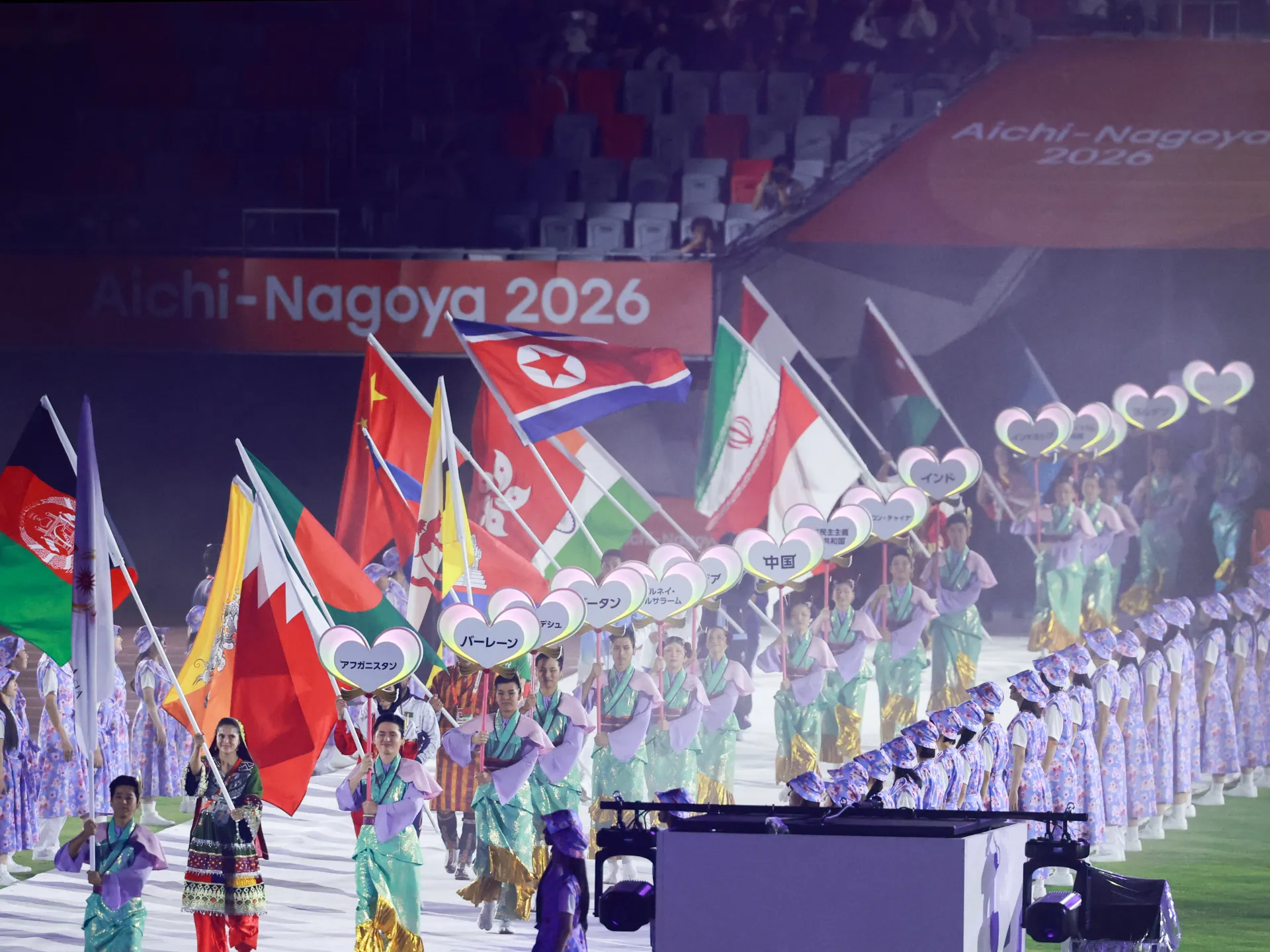
The 20th Asian Games closed in Aichi-Nagoya after two weeks of competition involving about 17,000 athletes and officials. The programme covered 469 medal events across 43 sports, on a scale that tested organisers’ plans for a streamlined event.
Teams reported problems with accommodation and transport, including delayed registration, double-booked rooms and shuttle buses missing or taking athletes to the wrong venues. The organising committee issued repeated apologies, and several competitions were delayed.
Organisers used hotels, container units and a cruise ship instead of building an athletes’ village. Their budget allowed for 15,000 athletes and officials, about 2,000 fewer than total registrations.
Attendance was also low at some events. Fewer than 1,000 spectators watched the host nation’s women’s football semifinal at a 50,000-seat stadium; access to venues in distant locations was cited as a challenge. The Olympic Council of Asia nevertheless described the Games as a success and praised the cost-conscious arrangements.
Athletic performances included China’s Yu Zidi, named female MVP after winning three individual swimming gold medals. China led the medal table with 341 medals, including 169 gold. Japan won 83 gold medals.
Doha is scheduled to host the next Asian Games in 2030. The OCA may consider moving the event to 2031, but no change has been confirmed.