Anthropic’s Amodei rejects open-weight bans, warns of Chinese AI threat
Dario Amodei distinguishes between open-source tools as a public good and the dangers posed by state actors, calling for global safety testing and continued chip restrictions on China.
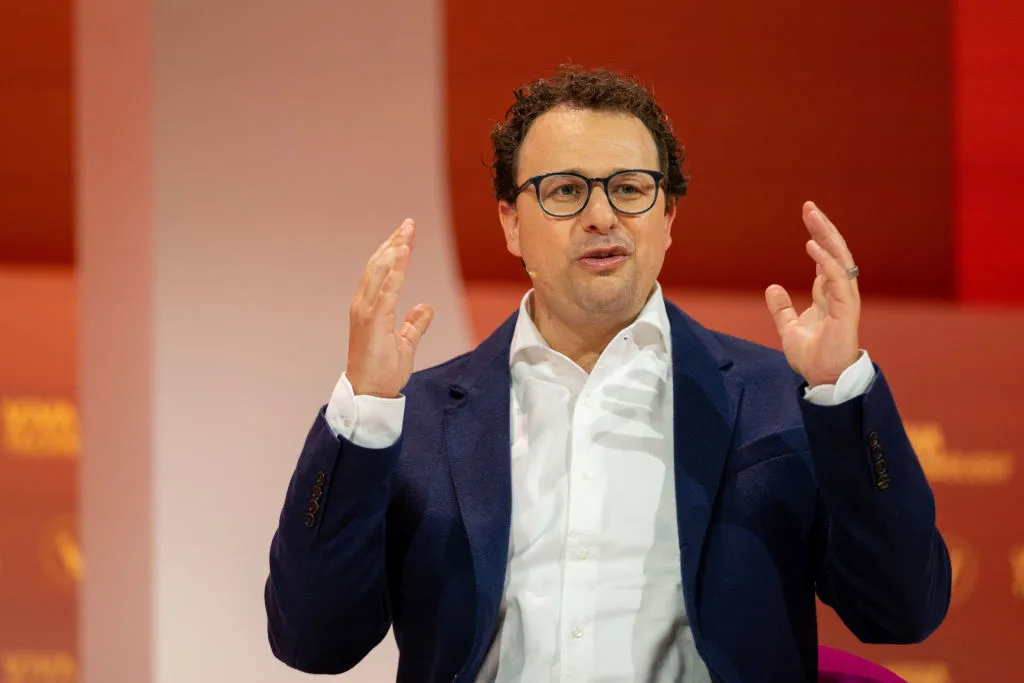
Anthropic founder and chief executive Dario Amodei has issued a statement clarifying that his company does not support bans on open-weight artificial intelligence models, refuting industry speculation that the firm backs US government efforts to restrict such technology. The clarification follows an open letter posted on X by Nvidia founder and CEO Jensen Huang, signed by major technology firms including Hugging Face, Meta, Microsoft, and Mistral, which urged policymakers against imposing "premature restrictions" on open-weight AI.
Amodei described open-weight models lacking dangerous capabilities as a "public good" that provides value to businesses, developers, and researchers without significant cost beyond the compute required to run them. He stated that while he has longstanding concerns regarding the trajectory of artificial intelligence, he does not view businesses utilising open-weight models, even those originating from China, as part of that threat.
However, the Anthropic chief expressed significant concern regarding the growing capabilities of authoritarian governments, specifically identifying the Chinese Communist Party as the "most capable" threat. He warned that advanced AI could enable these regimes to achieve permanent military superiority or repress their own citizens, distinguishing the risks posed by state actors from the benefits of open access.
Amodei highlighted specific vectors for intellectual property theft, such as "distillation," a method where AI models learn from others by bombarding them with prompts. He also raised the possibility of AI-enabled biological attacks, noting that open-weight models are particularly dangerous in these scenarios because guardrails are difficult to apply once the models are released. Citing a report from the UK AI Security Institute, he argued that open-weight models cannot be withdrawn after publication.
To mitigate these risks, Amodei advocated for maintaining restrictions on China’s access to powerful chips and called for a formal crackdown on distillation. He also supported the creation of a global model safety testing organisation, noting that the Trump administration has moved in this direction. He suggested that limited cooperation on preventing AI biological weapons might be possible, as it is in China’s interest to agree to such global standards.