Andes strain hantavirus outbreak linked to MV Hondius cruise ship spreads across multiple nations
Investigators are tracing the origin of the respiratory illness to Argentina, though local officials dispute the link to a specific landfill site
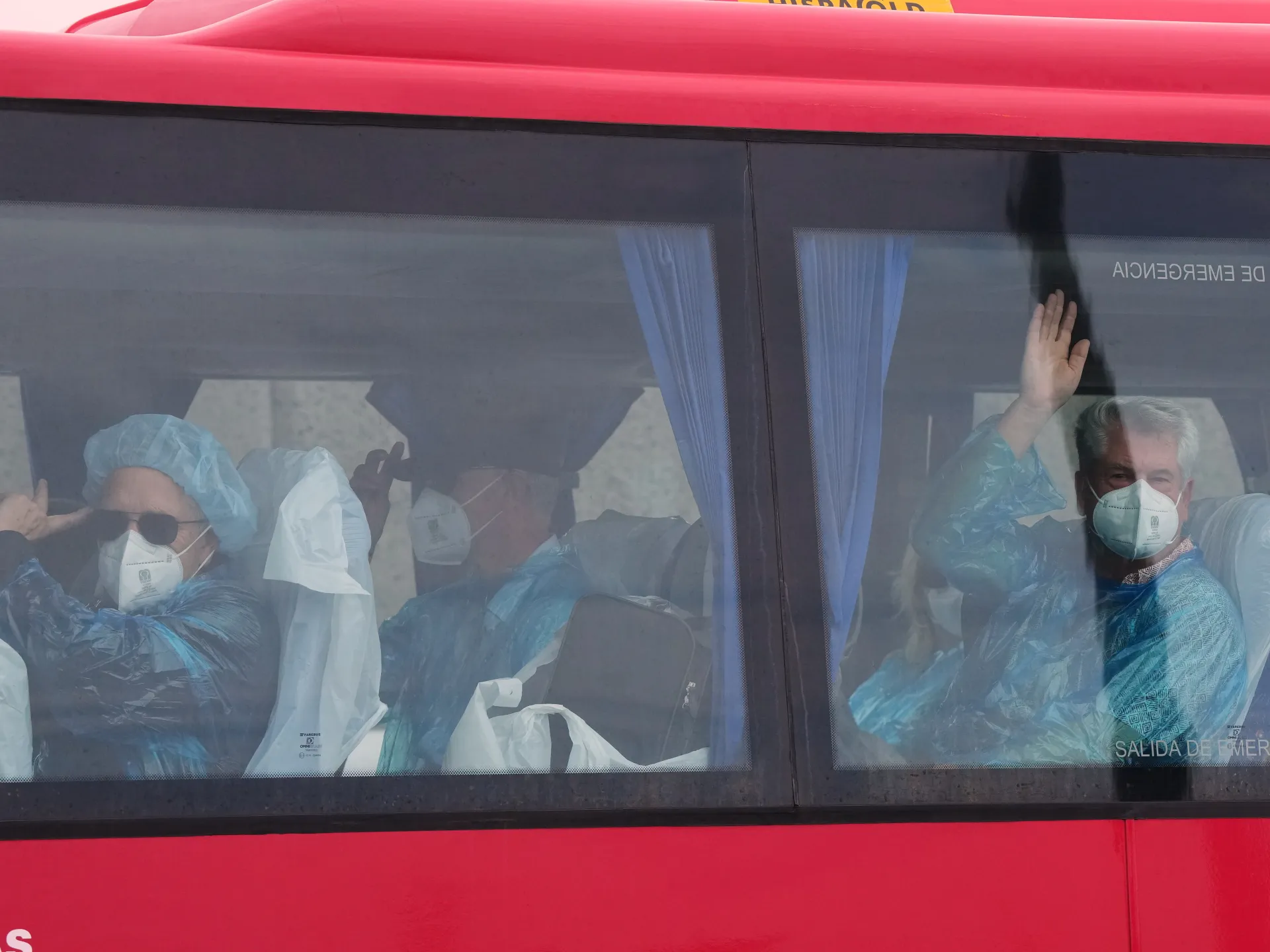
Passengers aboard the MV Hondius cruise ship have been evacuated from Tenerife, Spain, following the confirmation of a hantavirus outbreak that has claimed three lives and left at least one person in critical condition. The vessel, anchored near the Canary Islands, saw military and government flights deployed to transport individuals from more than 20 nations back to their home countries. The World Health Organization oversaw the complex evacuation operation, with Director-General Tedros Adhanom Ghebreyesus present to manage the response.
The specific pathogen identified is the Andes strain, a variant endemic to rural parts of South America that is distinct for its ability to transmit between humans in confined environments. At least eight individuals on board were confirmed or suspected of contracting the virus, with the initial symptoms appearing among an elderly Dutch couple. While the couple had visited a landfill in Ushuaia, Argentina, local health officials there state that exposure at the site is unlikely as no cases have been recorded in the region since 1996.
Confirmed cases have now emerged in the United States and France, complicating the containment efforts. A United States citizen tested positive while asymptomatic, with a flight carrying American passengers scheduled to arrive in Omaha, Nebraska, for quarantine. In France, Health Minister Stephanie Rist reported that a passenger developed symptoms during the flight home and has since deteriorated rapidly in Paris, requiring isolation.
The investigation into the point of origin is focusing on Argentina, from which the MV Hondius departed on April 1. Although local media in Argentina suggest the couple may have been exposed to rodent droppings at the Ushuaia landfill, experts note that ecosystems can change and vectors may move locations. Consequently, Argentinian health officials have been deployed to the site to collect samples from rats for examination.
Other nations are implementing strict monitoring protocols for their nationals. The United Kingdom has arranged for a Japanese national to be monitored for up to 45 days, while German authorities reported transporting four citizens from the Netherlands to Frankfurt University Hospital for observation. None of the Germans tested positive. Australian authorities also deployed an evacuation plane to transport nationals from Australia, New Zealand, and some Asian countries.
Health officials are advising all involved governments to test and monitor passengers for at least 42 days post-exposure. Maria Van Kerkhove, the WHO's top epidemiologist, reiterated that while the general public on Tenerife remains at low risk, the confined nature of the cruise ship environment amplified the transmission potential of this rare respiratory illness.