Allegations of arbitrary detention and systemic discrimination emerge from Western Tigray as displacement crisis deepens
France 24 reports that Western Tigray residents face arbitrary detention and systemic discrimination, contributing to a severe humanitarian emergency in the region.
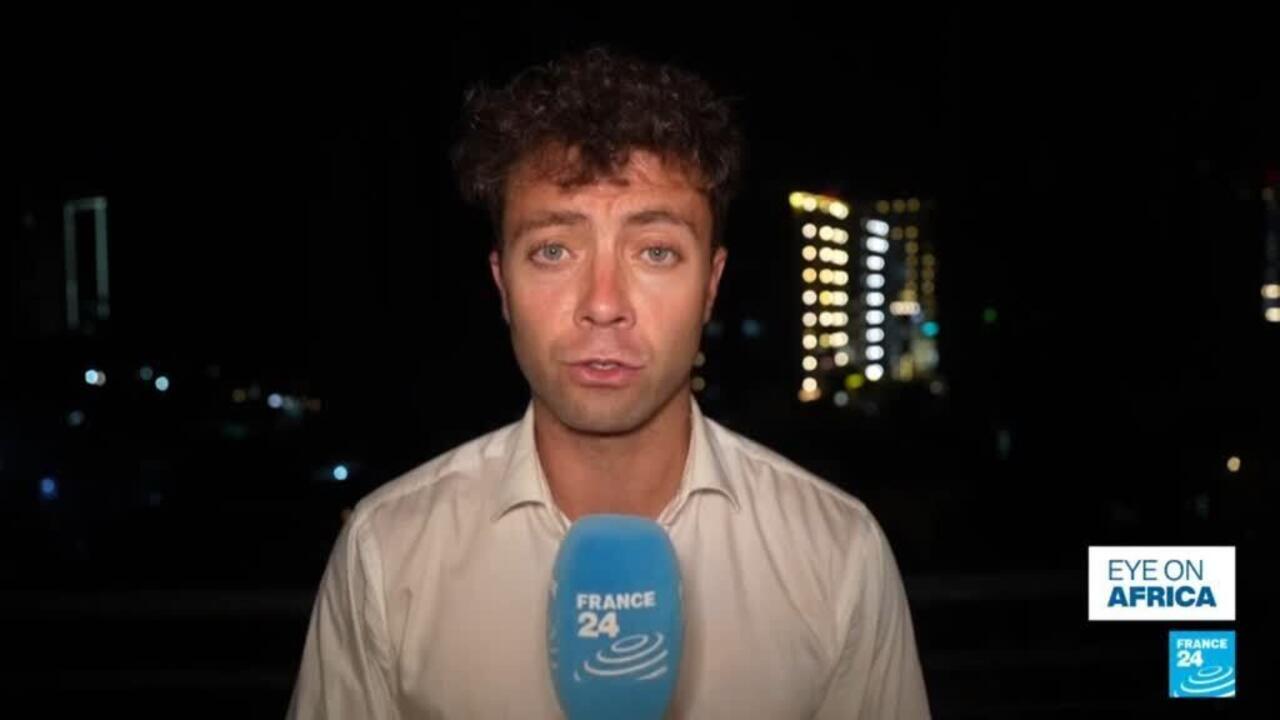
Residents of Western Tigray have reported to Human Rights Watch that they are facing arbitrary detention and being treated as second-class citizens. These serious allegations were brought to light by FRANCE 24 correspondent Tom Canetti, who highlighted the testimony provided by affected individuals regarding their treatment within the region.
The reports underscore a severe displacement crisis currently gripping the area, with figures indicating that more than 800,000 people remain internally displaced in Tigray. This mass movement of population reflects the ongoing instability in the Horn of Africa, a context further complicated by concurrent security incidents elsewhere in the continent.
The specific claims of arbitrary detention rely on the interpretation of Human Rights Watch and the affected individuals, as official Ethiopian government records or court proceedings have not been cited to corroborate these specific legal assertions. Consequently, the description of residents as being treated as second-class citizens is presented as a qualitative assessment based on witness testimony rather than an objective legal status.
Human Rights Watch has served as the primary organisation receiving this testimony from residents of Western Tigray, acting as a crucial channel for documenting human rights abuses in the absence of immediate government verification. The organisation's intake of these reports provides a critical perspective on the conditions on the ground, even as the precise timeline of the detentions remains unclear.
The situation in Tigray occurs alongside broader regional volatility, evidenced by armed group attacks on military positions in Mali on 25 April 2026. These concurrent events highlight the extent of instability affecting multiple nations, yet the specific humanitarian dynamics in Ethiopia remain distinct from the security challenges facing West African military positions.
While the figure of more than 800,000 internally displaced persons is widely cited in current reporting, it remains an estimate that requires verification against official Ethiopian government or United Nations data. Until such verification is available, the exact scale of the displacement and the full extent of the reported discriminatory treatment across the entire Tigray region versus the Western sub-region remain subjects of uncertainty.