Al Jazeera investigation questions beneficiaries of Mauritania fishing deals
A new Al Jazeera Global News report examines the impact of foreign fleets on Mauritanian waters and the distribution of benefits from government agreements.
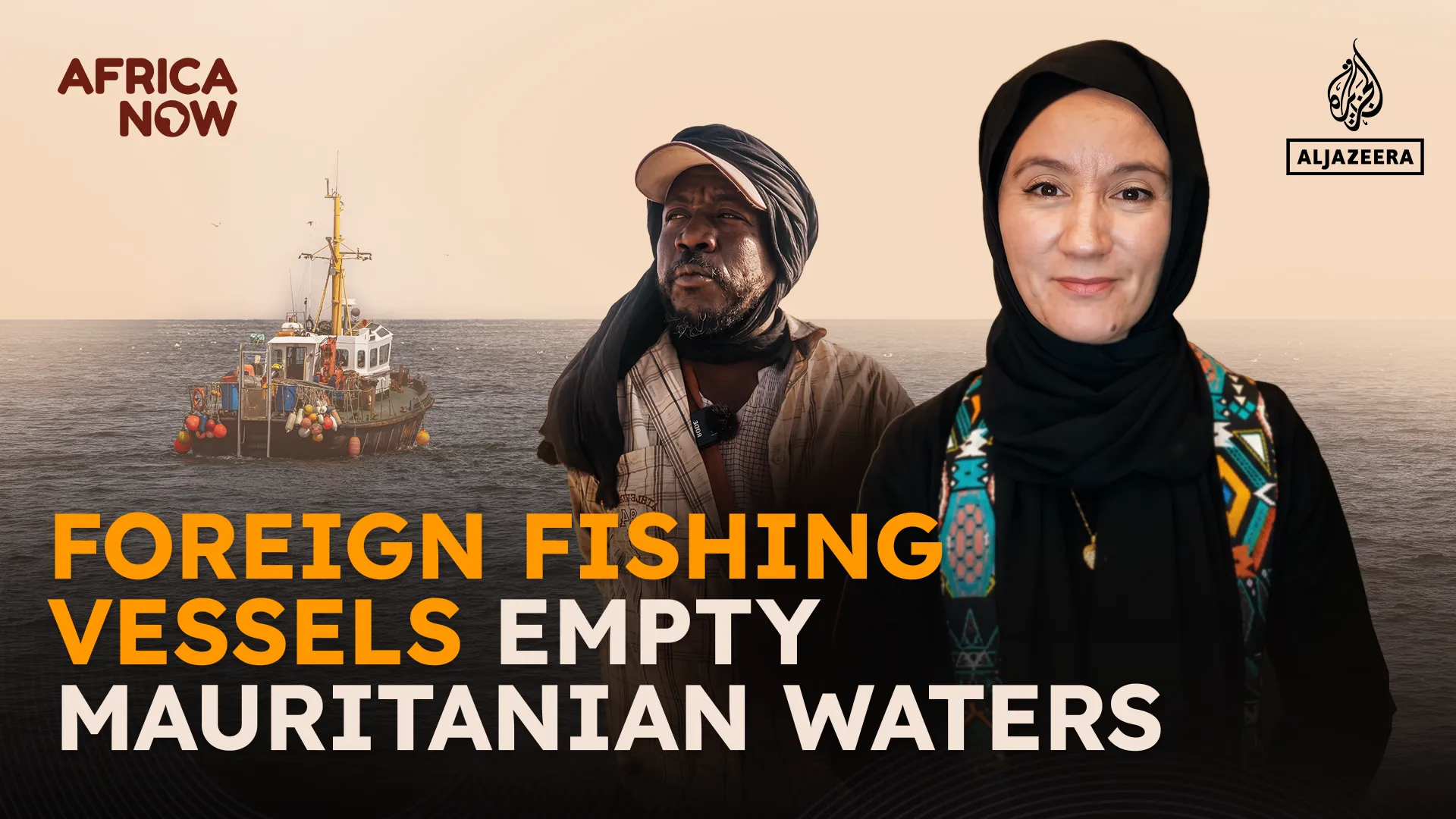
An investigation by Al Jazeera Global News has raised questions regarding the distribution of benefits from fishing agreements between the Mauritanian government and foreign vessels. The report, titled "Foreign fishing vessels empty Mauritanian waters," examines the legal depletion of waters that are described as among the richest in the world.
The broadcast segment highlights that foreign fishing fleets operate legally within Mauritanian waters, yet the investigation poses a central question regarding who ultimately benefits from these arrangements. The report frames the situation as a governance issue, scrutinising the outcomes of the agreements between the state and international fleets.
To explore these dynamics, the segment features perspectives from Mauritanian fisherman Sheikh Turath Ould Mbarak. His inclusion provides a local viewpoint on the activities occurring within the waters, which are characterised by their high biological richness.
The report also includes commentary from maritime crime profiler Dyhia Belhabib. Her participation suggests a focus on the regulatory and security aspects of the fishing industry, adding a layer of analysis to the discussion on how these agreements are managed and enforced.
The investigation does not provide a definitive list of beneficiaries, instead presenting the question of who profits from the deals as an open inquiry. This approach underscores the complexity of the agreements and the lack of transparency surrounding the distribution of gains from the resource extraction.
The segment is categorised under security, reflecting the potential implications of resource management on national stability and governance. The report was published on May 20, 2026, as part of Al Jazeera’s coverage of African affairs.
The findings contribute to a broader understanding of the tensions between legal resource exploitation and local interests in Mauritania. By questioning the beneficiaries, the report invites scrutiny of the institutional frameworks governing these high-value maritime agreements.