Pakistan court sentences man to death for murder of teen influencer Sana Yousaf
Umar Hayat, 23, receives death penalty and 2.5 million rupees in damages for the killing of 17-year-old TikTok star Sana Yousaf, sparking renewed debate on digital safety and gender-based violence.
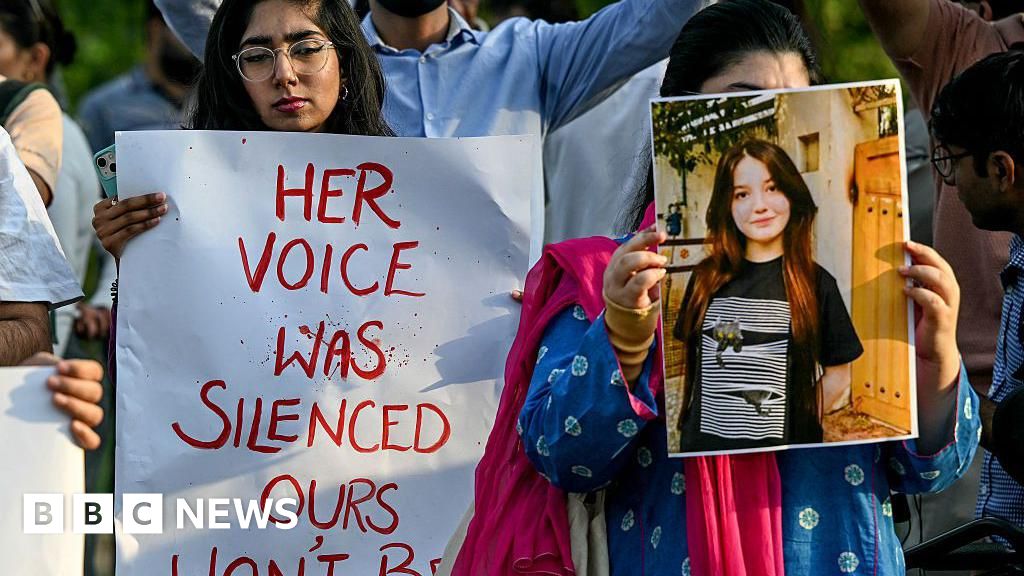
A court in Islamabad has sentenced Umar Hayat to death for the murder of 17-year-old social media influencer Sana Yousaf, delivering a verdict that has drawn significant attention to issues of gender-based violence and online harassment in Pakistan. The court also ordered Hayat to pay 2.5 million rupees, approximately $9,000 or £6,700, in compensation to Yousaf’s family.
Hayat, now 23, admitted to the crime in July, stating that he had developed a one-sided obsession with Yousaf following online interactions. The incident occurred in June last year when Hayat travelled to Islamabad to wish Yousaf well on her birthday. Despite her refusal to meet him, he entered her home, where an argument escalated into a shooting that resulted in her death.
Yousaf was a prominent digital creator with more than one million followers on TikTok and half a million on Instagram. She was known for light-hearted content featuring fashion trends, lip-syncing, and videos with friends. Her father, Syed Yousaf Hassan, described the verdict as a lesson for criminals in society, according to local media reports.
During the investigation, police raided locations across Islamabad and the province of Punjab, scanning footage from 113 CCTV cameras to trace Hayat’s movements. The case has been characterised by activists as part of a broader pattern of violence against women in the country, with human rights advocates warning of the increasing threats faced by female content creators on social media platforms.
While many have expressed outrage over Yousaf’s death, there has also been a backlash against her work as an influencer. Usama Khilji, director of the digital rights advocacy group Bolo Bhi, noted that criticism often comes from a small portion of mostly male internet users who have cited religious grounds to question her content. Human rights activist Farzana Bari described the online reaction as misogynistic and patriarchal, emphasising that Yousaf had her own voice and that social media has become a threatening environment for women in Pakistan.