Chinese tankers clear Hormuz as US signals imminent Iran ceasefire
The departure of two supertankers carrying four million barrels of crude coincides with White House claims that a deal to end the US-Israel war on Iran is near, though analysts warn energy markets will remain tight.
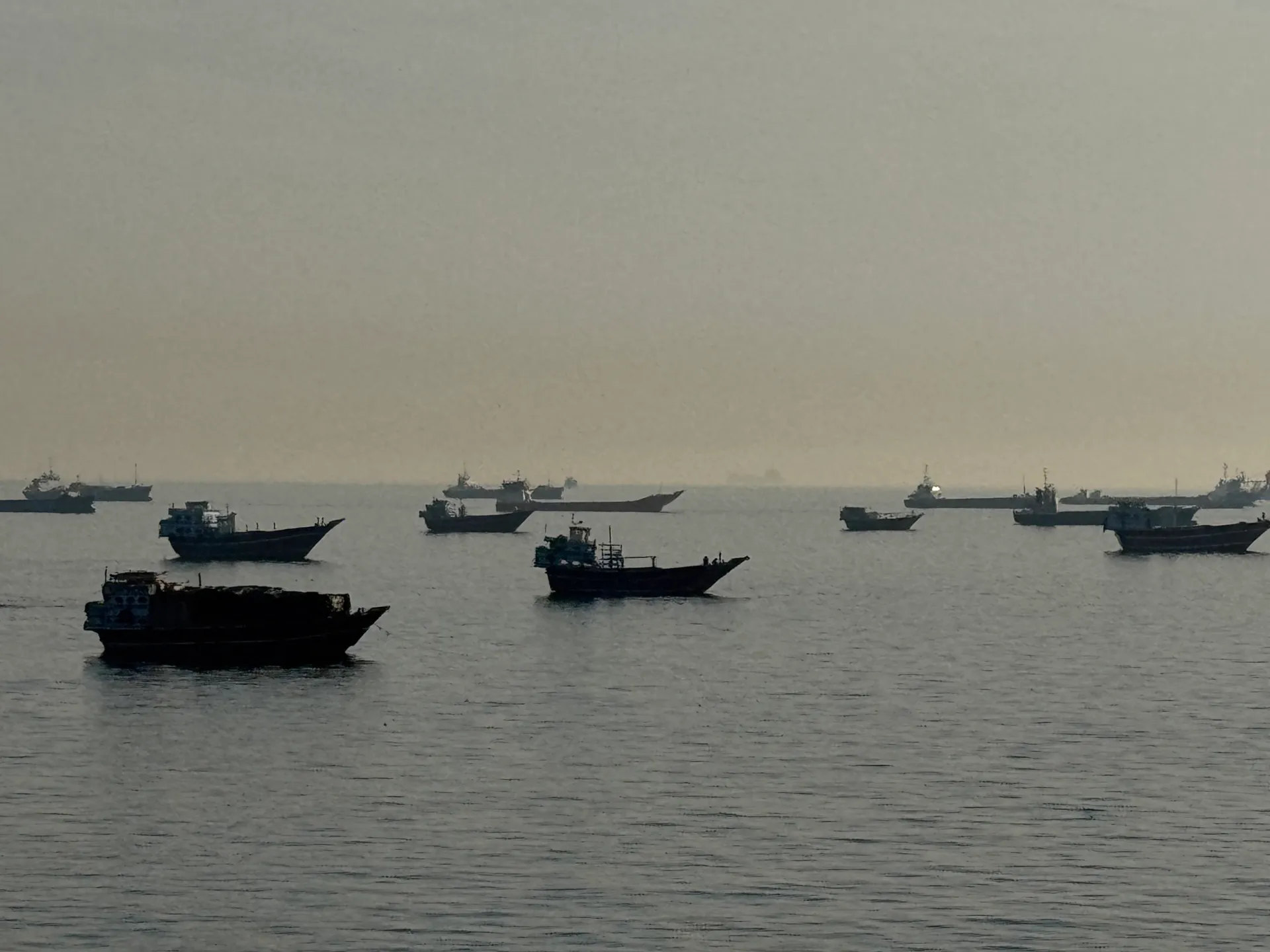
Two oil supertankers, the Chinese-flagged Yuan Gui Yang and the Hong Kong-flagged Ocean Lily, have departed the Strait of Hormuz after a detention period exceeding two months. The vessels, which carried approximately four million barrels of crude oil, navigated out of the Gulf as US President Donald Trump and Vice President JD Vance indicated that a diplomatic resolution to the US-Israel war on Iran is imminent.
Shipping data from LSEG and Kpler confirms the exit of the Yuan Gui Yang and Ocean Lily, which had loaded Iraqi Basrah and Qatari al-Shaheen crude between late February and early March. The Yuan Gui Yang loaded its cargo on 27 February, the day before the conflict began, while the Ocean Lily loaded its mixed cargo shortly after. Their departure follows a period of significant disruption caused by the US blockade on the strait, which has constrained supply and driven energy costs higher.
The timing of the exit aligns with escalating diplomatic rhetoric from Washington. President Trump told lawmakers that the conflict would end “very quickly” and “hopefully … in a very nice manner”. Vice President JD Vance described negotiations as making “good progress”, stating that Tehran and Washington are in a “pretty good spot” despite ongoing back-and-forth discussions. Trump had previously set a two-to-three-day deadline for a deal and claimed he had been an hour away from ordering an attack before postponing it.
Despite the positive signals from the White House, market experts caution that the easing of tensions may not immediately stabilise energy prices. Brent crude briefly fell to $110.16 a barrel following the comments, but Emril Jamil, a senior oil research analyst at LSEG, noted that supply is unlikely to return to pre-war levels immediately. This suggests that prices will likely retain upside potential even if a formal agreement is reached.
The economic fallout from the blockade has already impacted global projections. The United Nations has revised its global growth forecast for the year down to 2.5 percent, citing the impact of higher energy costs and weaker trade. In its World Economic Situation and Prospects Report, the UN warned that low-income families in developing countries are bearing the heaviest burden as rising food and energy prices outpace wages. The body’s warning comes as Brent crude hit its highest price since June 2022 last month.
Meanwhile, South Korean Foreign Minister Cho Hyun reported that a Korean crude vessel was also passing through the Strait on Wednesday, indicating a gradual, albeit fragile, return to navigation. However, Iran has warned that any return to active conflict could open “new fronts” and bring “many more surprises”, underscoring the volatility that remains in the region. The US Treasury has also recently imposed sanctions on Cuba’s intelligence agency, adding another layer of geopolitical complexity, though this is distinct from the immediate Iran situation.