Al Jazeera analysis links Iran bombardment to long-term environmental toxicity
A recent assessment by Al Jazeera argues that attacks on energy infrastructure in Iran and the Gulf have released toxic particles and threatened marine ecosystems, drawing parallels to historical precedents in Kuwait and Yemen.
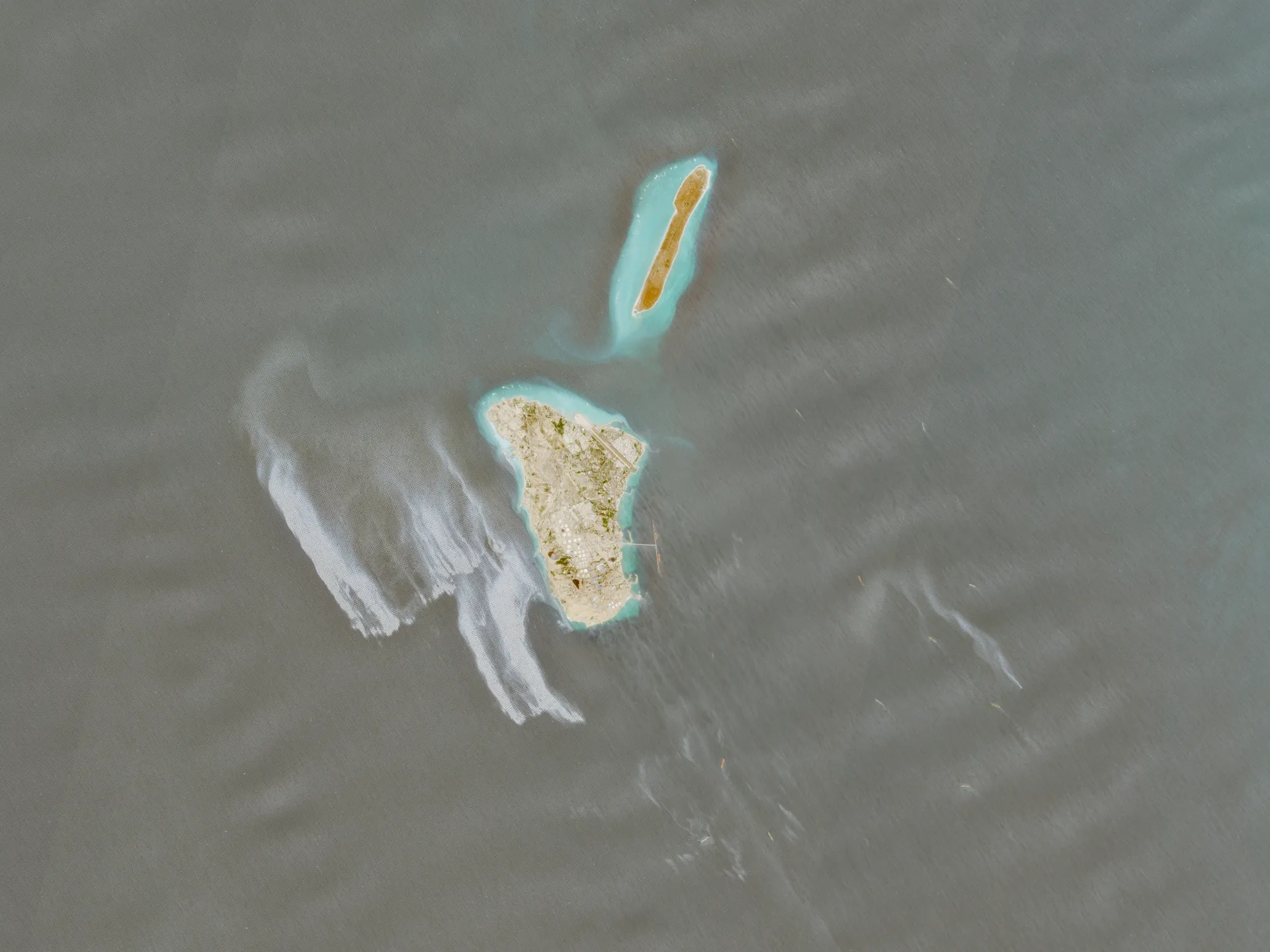
An opinion piece published by Al Jazeera on 23 May 2026 has drawn attention to the enduring environmental and health consequences of contemporary conflicts, citing a recent six-week bombardment of Iran and the Gulf. The article argues that attacks on energy infrastructure have already released toxic particles into the air, while debris, run-off, and oil residues threaten coastal waters and marine ecosystems across the region.
The assessment notes that the region has witnessed the longevity of such damage before, referencing the 1991 Gulf War when Iraqi forces set fire to more than 600 Kuwaiti oil wells. The resulting smoke caused widespread air pollution and contamination of soil and groundwater, with the United Nations later treating much of that destruction as compensable harm through the UN Compensation Commission, for which Iraq paid more than $50bn.
Ukraine is cited as another example of a toxic legacy, with ongoing attacks on fuel depots, industrial sites, and chemical warehouses contaminating air, rivers, and farmland. UN agencies and Ukrainian organisations have documented thousands of incidents of environmental harm since the invasion began, including fires at oil facilities, deforestation, and widespread risks to water systems.
The article also highlights how conflict erodes oversight, leaving communities to absorb pollution when governance collapses. In Yemen and Sudan, difficult security environments have made routine maintenance on oil pipelines challenging, resulting in contaminated water and farmland. In Yemen, the lack of maintenance on the FSO Safer tanker threatened a catastrophic oil spill before an emergency transfer operation took place in 2023.
Beyond direct infrastructure damage, the piece points to the climate dimensions of war, noting that militaries were responsible for an estimated 5.5 percent of global greenhouse gas emissions in 2022. These emissions are largely excluded from international climate accounting, a stance attributed to the United States. In Sudan, the war that began in 2023 has led to significant tree cover loss around Khartoum and other urban areas as fuel scarcity drives households toward charcoal and firewood.
The author argues that rebuilding energy systems with renewable technologies could mitigate these toxic legacies compared to fossil fuel-based infrastructure. While renewable systems can be damaged in conflict, they do not spill crude into rivers or ignite refinery-scale fires, potentially reducing both the toxic aftermath and the global economic shock that follows instability in supply routes such as the Strait of Hormuz.