Mexico’s food stability under strain as global costs and domestic insecurity drive inflation
Rising fuel and fertiliser prices, exacerbated by geopolitical tensions and criminal extortion, have pushed basic food basket costs up by 8.1 per cent in urban areas, forcing households to tighten budgets while vendors reduce margins.
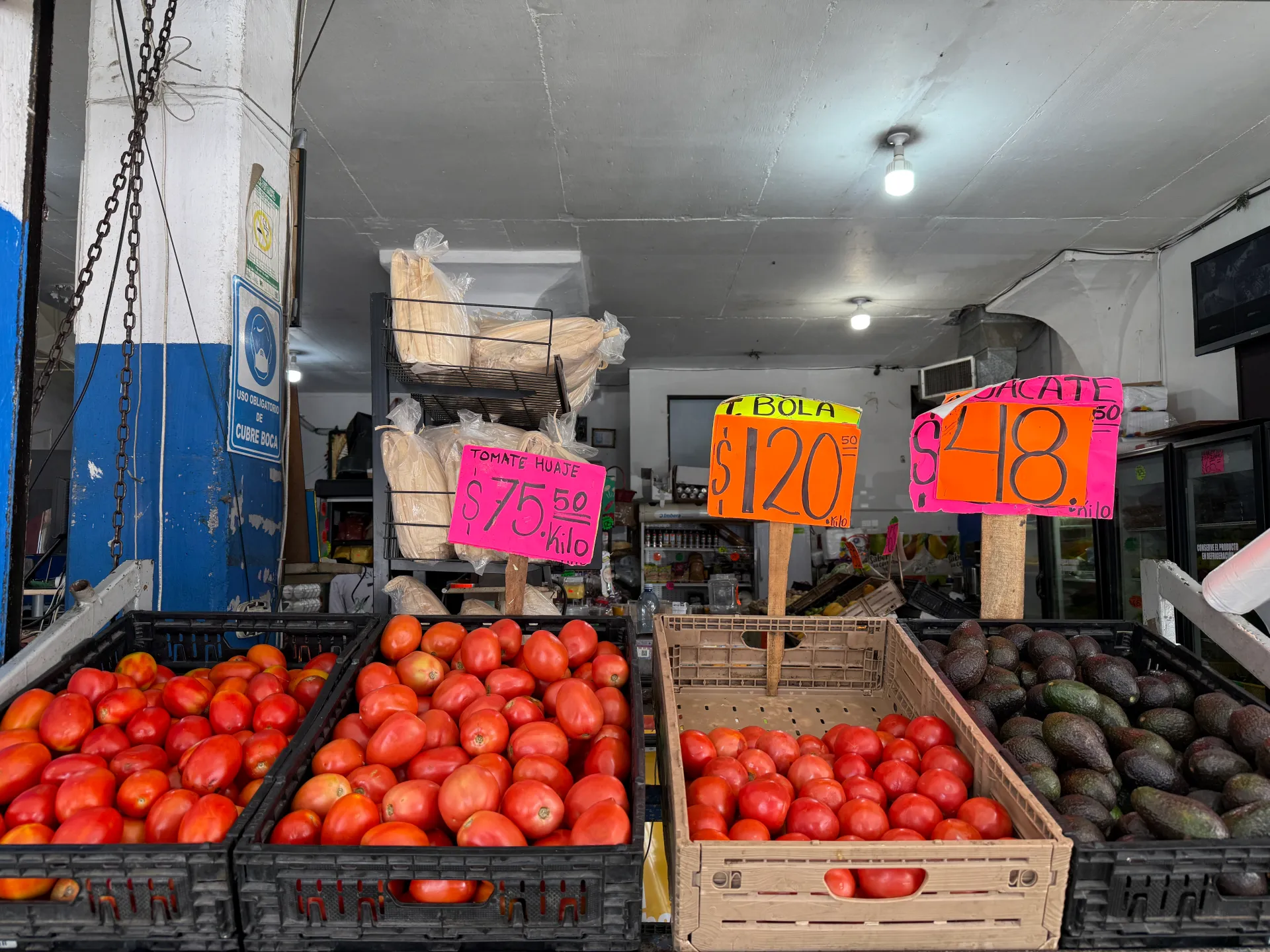
Sharp price increases for food staples across Mexico are forcing households to drastically reduce consumption, while retailers and vendors are compressing profit margins to retain customers. At the Mercado de Abastos in Nuevo Leon, prices for tomatoes, potatoes, beef, and chillies have surged in recent weeks, altering shopping habits for millions of residents. The crisis is driven by a convergence of rising global fuel and fertiliser costs, shipping disruptions in the Strait of Hormuz, and domestic security challenges, including extortion and theft by criminal groups on highways.
Elvira Pasillas, a professor at the Western Institute of Technology and Higher Education (ITESO), highlighted the severity of the impact on low-income populations, noting that nearly 70 per cent of their earnings are spent on food. According to INEGI, the national statistics agency, 12-month inflation stood at 4.45 per cent in April, with the consumer price index rising 0.20 per cent in March. The cost of the basic food basket in urban areas rose by 8.1 per cent in March, significantly outpacing general inflation and straining households already facing economic stagnation.
Production and logistics expenses have escalated due to international pressures, including the US-Israel war on Iran, which has driven up energy costs. Fabian Dominguez, manager of the meat shop El Bodegon, attributed rising beef and pork prices to fuel costs, roadblocks set up by criminal groups, and protests by farmers and truck drivers. The Mexican Meat Council reported that beef prices rose by 16.5 per cent in January, a spike caused by the end of tariff exemptions on imports from Brazil and Argentina, a screwworm outbreak, and rising fuel costs.
Domestic insecurity further disrupts supply chains, with extortion and protection rackets affecting every link from farmers to corner-store owners. Juan Carlos Anaya of the Agricultural Market Consulting Group noted that these security threats hamper commercial activity and drive up logistical costs. The National Agricultural Council commended recent arrests of criminal figures, stating that insecurity in the countryside distorts markets and threatens the timely supply of food for the entire population.
The Mexican government has renewed voluntary agreements with retailers and reduced fuel taxes to mitigate costs, but experts warn these measures strain public finances. The Package Against Inflation and Expenditure (PACIC) programme caps a basket of 24 essential items at roughly 910 pesos, yet critics argue it fails to reach the most vulnerable as it is sold in modern retail channels. With Mexico’s GDP falling by 0.8 per cent in the first quarter and the informal labour rate reaching 54.8 per cent in March, the economic outlook remains precarious for low-income residents.