Uganda Ebola cases rise to five as WHO declares international emergency
Health authorities in Kampala confirm three new infections, including a driver and health worker, while the World Health Organization raises the risk level in the Democratic Republic of Congo to 'very high'.
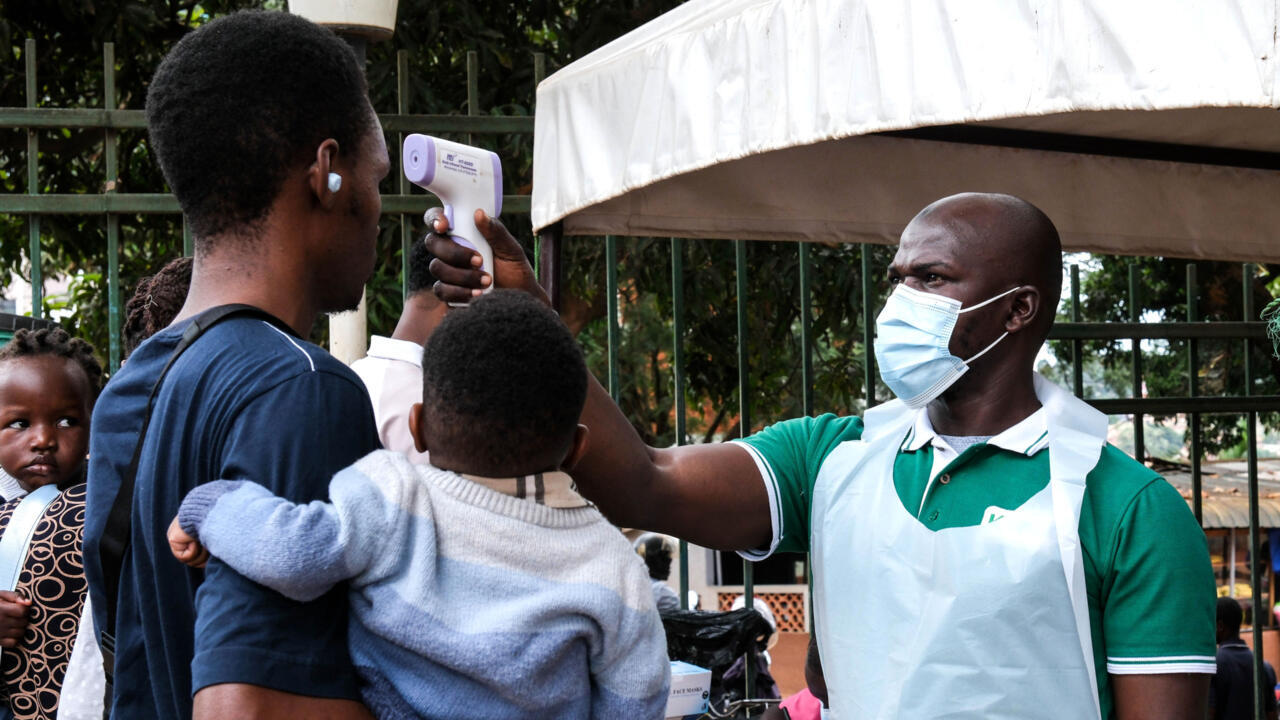
Ugandan health authorities confirmed three new cases of Ebola on Saturday, raising the national total to five since the outbreak began on 15 May. The World Health Organization (WHO) has declared the situation in the neighbouring Democratic Republic of Congo (DRC) an international emergency, elevating the risk level to 'very high' due to armed conflict and remote geography.
The newly confirmed patients include a Ugandan driver, a Ugandan health worker, and a woman from the DRC. All three individuals remain alive. The driver was infected while transporting an ill Congolese national who had crossed into Uganda, while the health worker was exposed during the treatment of that same patient. The third case involves a Congolese woman who was treated in Kampala for abdominal pains, discharged in good condition, and subsequently tested positive after returning to the DRC.
The outbreak is caused by the Bundibugyo strain, a less common variant for which there are currently no approved vaccines or specific treatments. This lack of medical countermeasures complicates containment efforts, particularly as the virus spreads through direct contact with bodily fluids in regions with limited healthcare infrastructure.
The Africa Centres for Disease Control and Prevention (Africa CDC) warned that ten African nations are at risk of the virus spreading beyond the immediate outbreak zones. Jean Kaseya, head of the Africa CDC, identified Angola, Burundi, the Central African Republic, the Republic of Congo, Ethiopia, Kenya, Rwanda, South Sudan, Tanzania, and Zambia as countries requiring heightened surveillance.
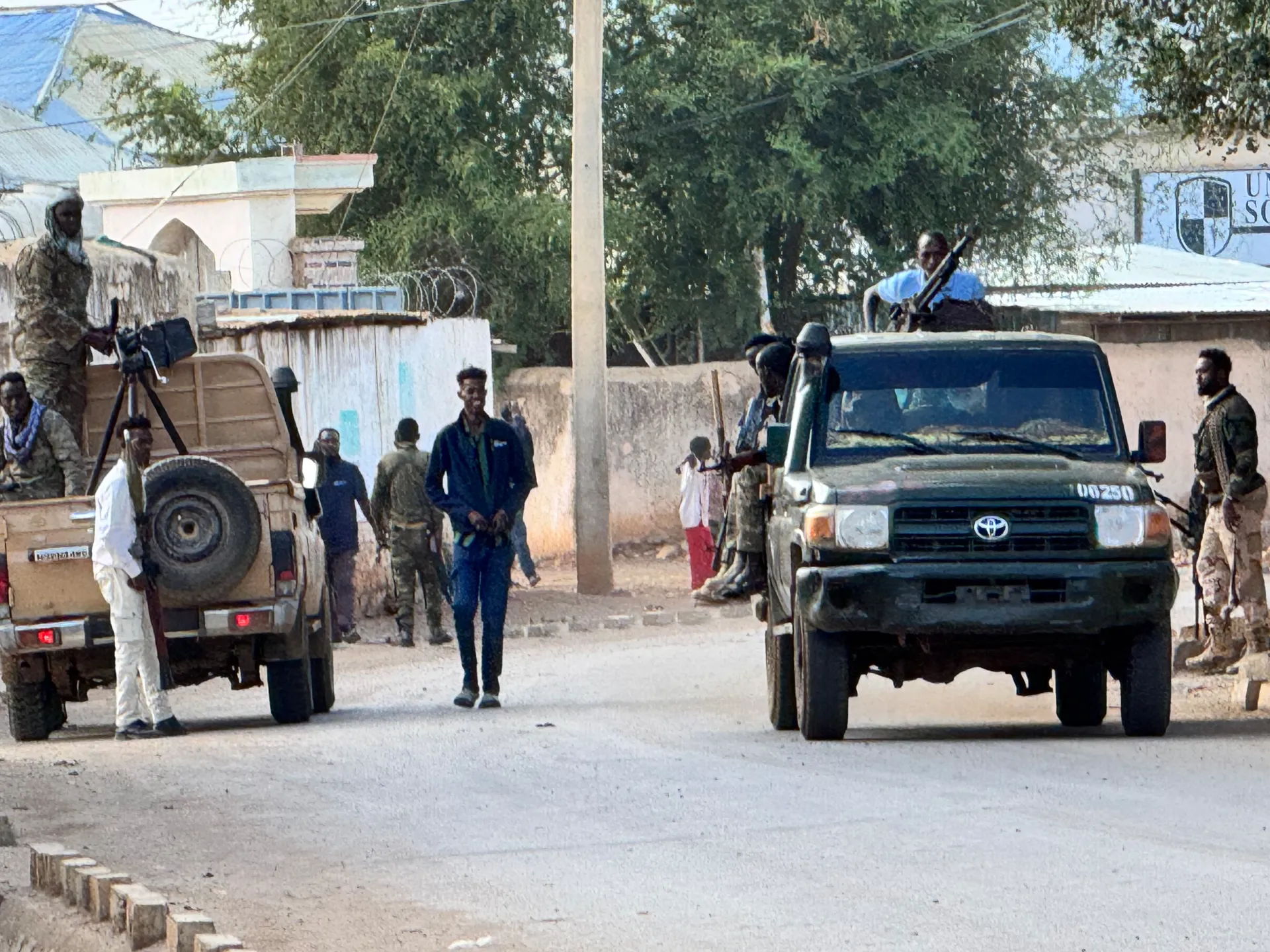
Uganda suspended all public transport to the DRC on Thursday following the confirmation of its first two cases, which involved Congolese nationals. The WHO noted that the situation in the DRC is 'especially challenging' due to insecurity in areas such as South Kivu, which is controlled by the Rwanda-backed AFC/M23 militia. The epidemic has spread from Ituri province to South Kivu, where state services have been largely absent for decades.
WHO Director General Tedros Adhanom Ghebreyesus highlighted the difficulties faced by first responders in securing and remote areas. In the DRC, there have been 82 confirmed cases and seven confirmed deaths, alongside almost 750 suspected cases and 177 suspected deaths. The agency cited late detection, widespread armed violence, and high population mobility as factors making the region particularly vulnerable.
Ugandan health officials stated that all contacts linked to the confirmed cases have been identified and are being closely monitored. While the WHO maintains the global risk is low, the national risk in Uganda has been revised to 'very high' following the recent cluster of infections.