Turkey and Syria arrest 10 suspects in joint intelligence operation
Turkish and Syrian agencies execute coordinated arrests following Interpol Red Notices, marking a significant escalation in bilateral security cooperation under the new Damascus administration.
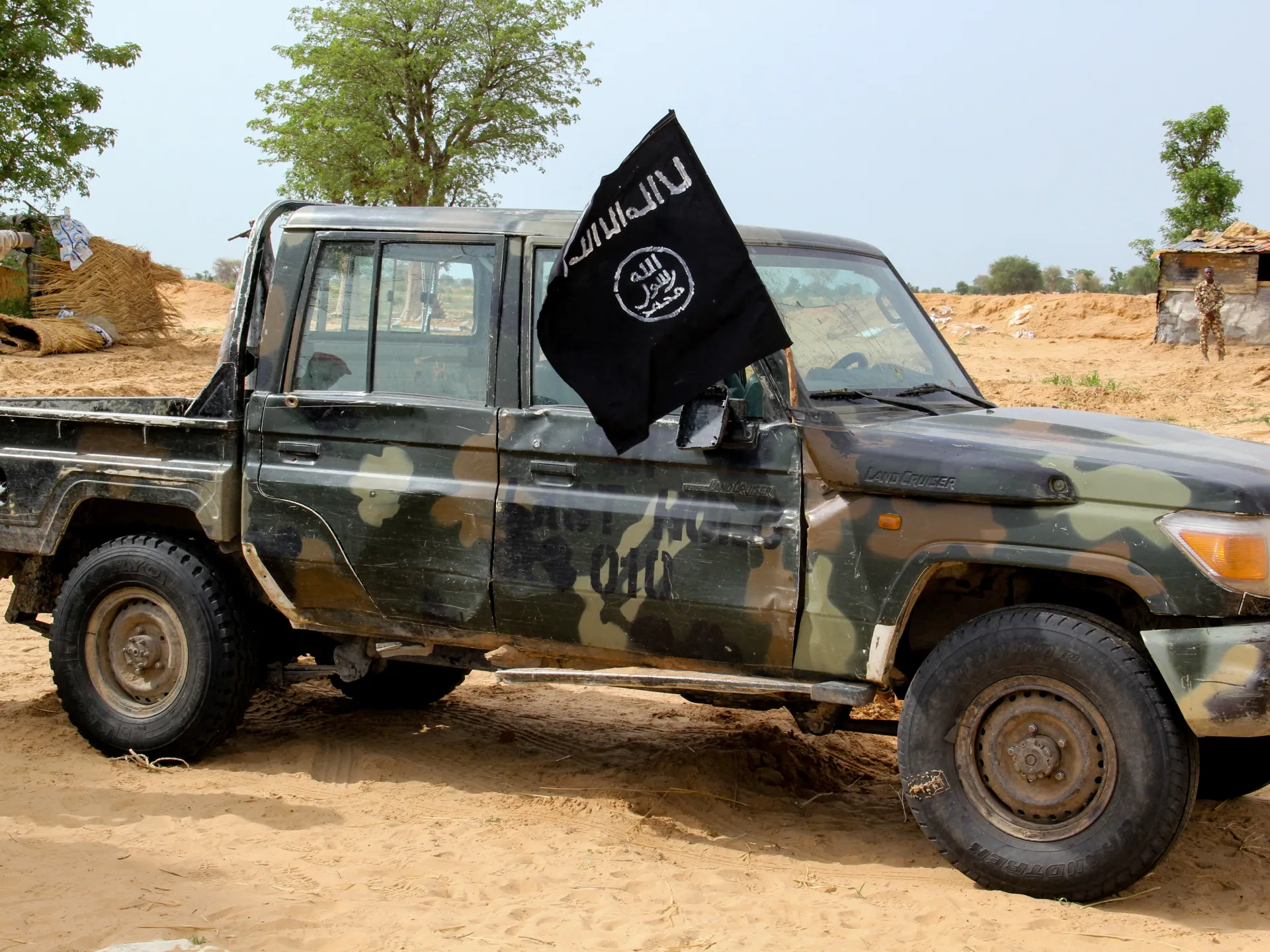
Turkish and Syrian intelligence services have conducted a joint operation in Syria, resulting in the detention of 10 individuals suspected of links to the Islamic State (ISIL). The arrests were reported by Turkish state broadcaster TRT on Saturday, with Ankara’s National Intelligence Organization confirming the suspects were apprehended during a targeted mission involving close monitoring by agents from both nations.
The detainees are alleged to have participated in terrorist attacks within Turkiye. According to officials, the operation was precipitated by Interpol Red Notices issued for all 10 individuals. These notices function as international arrest warrants, requesting law enforcement agencies globally to locate and arrest persons pending extradition or surrender.
Among those detained is Ali Bora, who is believed to have served as ISIL’s intelligence chief for Turkiye after joining the group in 2014. Another suspect is allegedly linked to the perpetrators of the 2015 Ankara bombings, a security incident that resulted in more than 100 fatalities.
Turkish authorities stated that during questioning, the detainees allegedly admitted to being members of ISIL and receiving training and operational instructions from the group. The National Intelligence Organization described the arrests as the outcome of a coordinated effort, highlighting the operational integration between the two intelligence services.
The operation underscores the deepening security and diplomatic ties between Ankara and Damascus. Relations between the two countries have significantly improved following the overthrow of longtime ruler Bashar al-Assad by forces led by President Ahmed al-Sharaa. This shift has enabled closer intelligence sharing and joint counter-terrorism efforts that were previously constrained by the region’s political landscape.