Abyei violence claims 26 lives as UNISFA reinforces border security
Intercommunal fighting in the disputed oil-rich region has killed at least 26 people, prompting the UN to strengthen its protective presence around Abyei town.
At least 26 people have been killed and 82 others injured in days of intercommunal fighting in the disputed Abyei region on the border between Sudan and South Sudan. The United Nations reported the death toll on Thursday, noting that the violence has strained the security situation in the jointly administered territory.
The fighting erupted at Amiet Common Market following the separate killings of a Ngok Dinka man on Monday and a Misseriya man on Tuesday. According to the UN Interim Security Force for Abyei (UNISFA), these initial killings escalated tensions between the two rival communities, leading to broader hostilities around the market.
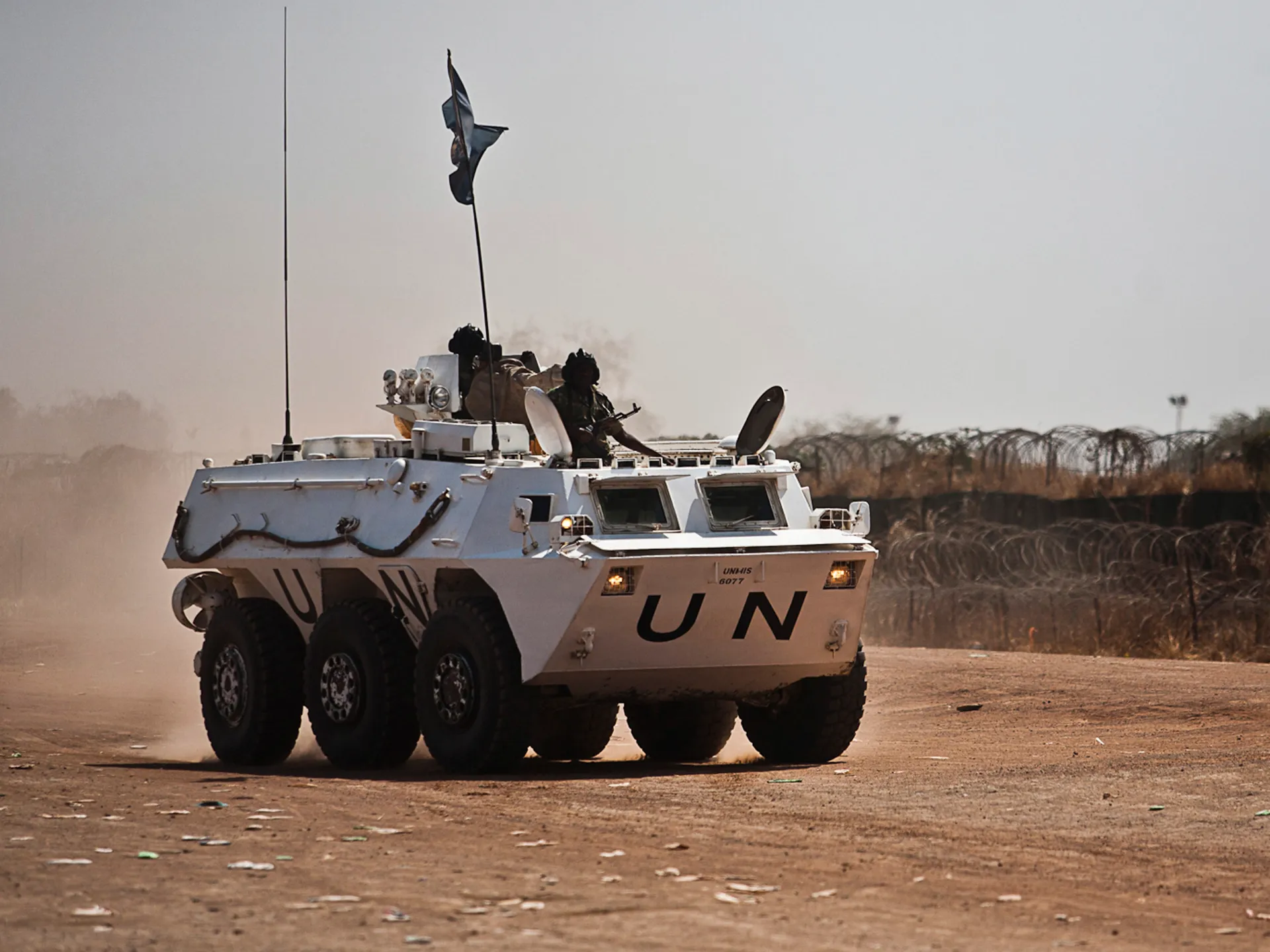
UNISFA has since reinforced its security presence around Abyei town to protect civilians and prevent further retaliation. The force, composed of 3,000 police and soldiers, is actively engaging with local leadership to stabilise the area. Lieutenant General Ganesh Kumar Shreshta of UNISFA stated that community leaders have reiterated their commitment to dialogue and a peaceful resolution to the hostilities.
The conflict involves the Ngok Dinka, who are permanent residents of the region, and the Misseriya, Arab pastoralists from Sudan. Similar clashes between these groups are frequent and often centre on disputes over grazing lands and watering points for their animals. The Misseriya migrate south into Abyei during the dry season in search of pasture, a seasonal movement that has historically led to friction with the resident population.
Abyei remains an oil-rich region with its status unresolved since South Sudan gained independence in 2011. Both countries stake a claim to the territory, which is jointly administered in the interim. The unresolved legal status of the region continues to complicate governance and resource management in the area.
South Sudan has been mostly at peace since a 2018 agreement ended a five-year conflict that killed thousands. The country is now due to hold its first elections since independence in December, a political milestone that could influence the broader stability of the border region.