US seeks congressional approval for $24.3bn F-35 sale to Saudi Arabia
The Trump administration has formally requested approval for a major arms transfer, citing regional stability while facing scrutiny over Chinese espionage risks and shifting Gulf alliances.
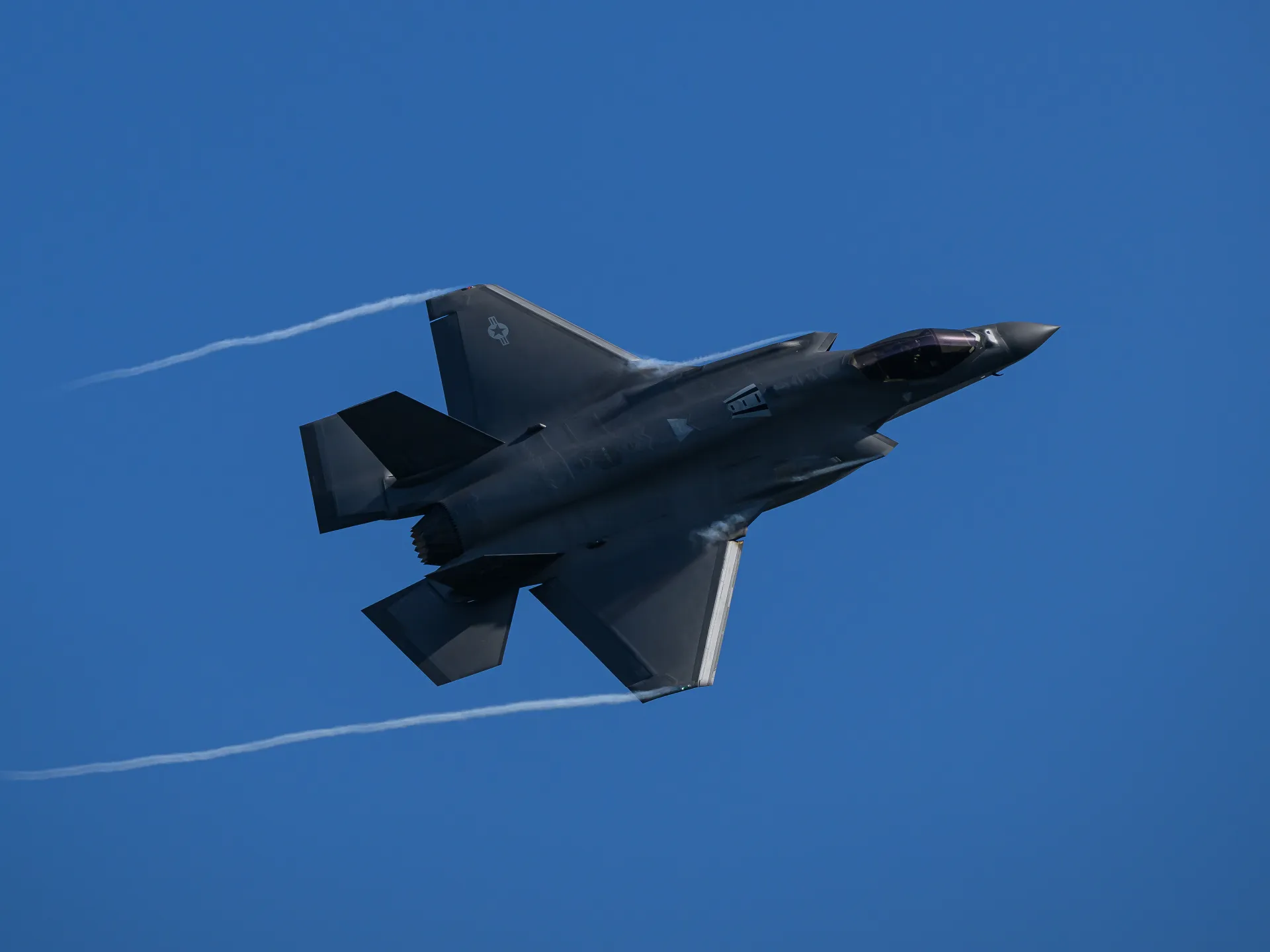
The United States administration has submitted a request to Congress for the sale of 48 F-35 fighter jets to Saudi Arabia, with the deal estimated at $24.3 billion. The State Department announced the proposal on Thursday, framing the acquisition as essential to supporting the foreign policy and national security objectives of the United States. According to the department, the sale is intended to improve the security of a major non-NATO ally that serves as a force for political stability and economic progress in the Gulf region.
The timing of the announcement follows significant developments in the Yemen conflict. On Wednesday, Yemen’s Houthis claimed to have shot down a Saudi F-15 fighter jet over Marib using a locally made surface-to-air missile. The group released video footage of the burning wreckage, which appeared to bear Saudi Arabian markings. This incident marks a potential shift in the conflict, as Saudi Arabia has previously relied on relative air superiority and heavy air strikes against the Iran-backed Houthi forces.
Despite the escalating tensions, the US administration asserts that the sale of the advanced jets will not alter the military balance in the region. This position aligns with longstanding US policy requiring that Israel maintain a qualitative military edge over potential regional adversaries. However, the proposal has drawn opposition from some lawmakers who question whether the transfer of such advanced technology is prudent given current geopolitical risks.
Concerns regarding Chinese espionage have emerged as a primary point of contention. US intelligence analysts have raised the possibility that Beijing could acquire F-35 technology through its existing partnerships with Riyadh. Representative Raja Krishnamoorthi, a Democratic member of the House Intelligence Committee, voiced opposition to the deal, warning that it could put the "crown jewels" of American military technology within reach of the Chinese Communist Party.
The sale also occurs against a backdrop of shifting defence alliances in the Middle East. Last month, Saudi Arabia signed the Mecca Agreement, a mutual defence pact with Pakistan and Turkiye, signalling a desire to diversify its security partnerships and rely less exclusively on Washington. Israel, the only country in the region currently operating F-35s, has voiced concern over the sale to Riyadh, despite ongoing efforts to normalise diplomatic relations between the two nations.
Additional complications arise from the status of Turkiye, a NATO member involved in the multi-country development of the F-35. Turkiye has been barred from receiving the aircraft since 2019 following its purchase of Russian anti-aircraft missiles. As Congress reviews the proposal, the administration must navigate these institutional and diplomatic complexities while addressing the immediate security needs of its Gulf ally.