
Israel and Iran exchange fire as fragile ceasefire collapses
The exchange of fire marks the first direct bombardment between the two nations since April and signals the effective end of the truce, complicating ongoing diplomatic mediation efforts.
Event
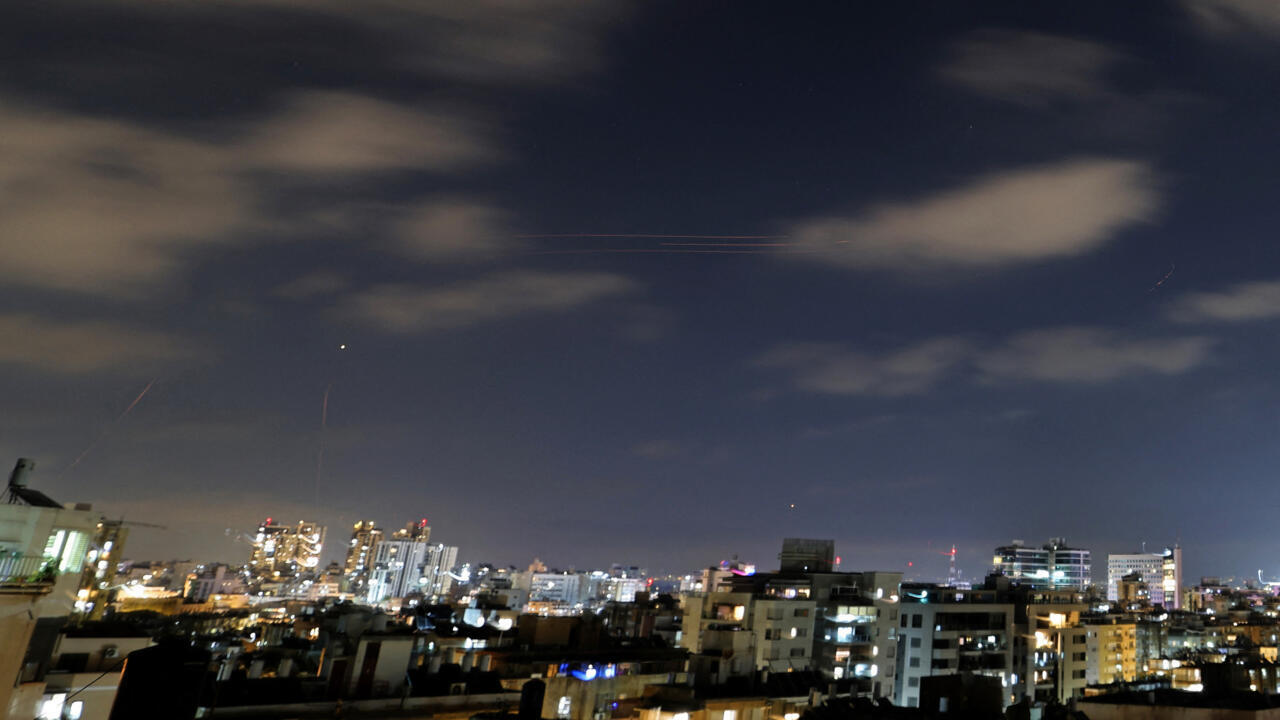
Israel conducted strikes early on Monday against military targets in western and central Iran, including explosions reported in Tehran, Tabriz, and Isfahan. The attacks occurred hours after Iran fired a salvo of missiles at Israeli targets in retaliation for an attack on Beirut’s southern suburbs. Iran's Revolutionary Guards also targeted the headquarters of "terrorist groups" in Sulaymaniyah, Iraqi Kurdistan. Israeli military chief Lieutenant General Eyal Zamir had vowed on Sunday that the military would strike Iran "with force" upon receiving orders.
2 published stories · security · source reliability 50%

The exchange of fire marks the first direct bombardment between the two nations since April and signals the effective end of the truce, complicating ongoing diplomatic mediation efforts.
Background
On 8 June 2026, Israel conducted military strikes against targets in western and central Iran, including explosions reported in Tehran, Tabriz, and Isfahan. These attacks occurred hours after Iran fired a salvo of missiles at Israeli targets, marking the first direct bombardment between the two nations since a fragile ceasefire began in early April 2026. The Iranian offensive was a retaliation for an Israeli strike on Beirut’s southern suburbs, which resulted in two deaths and 20 injuries. Concurrently, Iran’s Islamic Revolutionary Guard Corps (IRGC) targeted the headquarters of groups it designates as "terrorist" in Sulaymaniyah, Iraqi Kurdistan. Israeli military chief Lieutenant General Eyal Zamir had previously vowed to strike Iran "with force" upon receiving orders. This exchange of fire has effectively collapsed the April ceasefire and complicated ongoing US-Iran mediation efforts aimed at ending the wider regional conflict.
On 8 June 2026, Israel conducted military strikes against targets in western and central Iran, including explosions reported in Tehran, Tabriz, and Isfahan. These attacks occurred hours after Iran fired a salvo of missiles at Israeli targets, marking the first direct bombardment
Fact cards
Key entities: Israel, Iran, Israeli Defence Forces, Islamic Revolutionary Guard Corps, Tehran, Tabriz, Isfahan, Beirut.
Early April 2026: A fragile ceasefire is established between Iran and Israel. Late May 2026 (approximate): Israel conducts an attack on Beirut’s southern suburbs, killing two people and wounding 20. Sunday (prior to Monday strikes): Iranian Foreign Minister Abbas Araghchi holds d
Timeline
A fragile ceasefire is established between Iran and Israel.
Israel conducts an attack on Beirut’s southern suburbs, killing two people and wounding 20.
Iranian Foreign Minister Abbas Araghchi holds discussions with counterparts in Britain, France, Turkey, Qatar, and Pakistan regarding ceasefire violations.
Israeli military chief Lieutenant General Eyal Zamir vows that the military will strike Iran "with force" upon receiving orders.
Iran fires a salvo of missiles at Israeli targets in retaliation for the Beirut attack.
Israel conducts strikes against military targets in western and central Iran, with explosions reported in Tehran, Tabriz, and Isfahan.
Iran’s IRGC targets the headquarters of "terrorist groups" in Sulaymaniyah, Iraqi Kurdistan.