Israel and Iran exchange fire as fragile ceasefire collapses
The exchange of fire marks the first direct bombardment between the two nations since April and signals the effective end of the truce, complicating ongoing diplomatic mediation efforts.
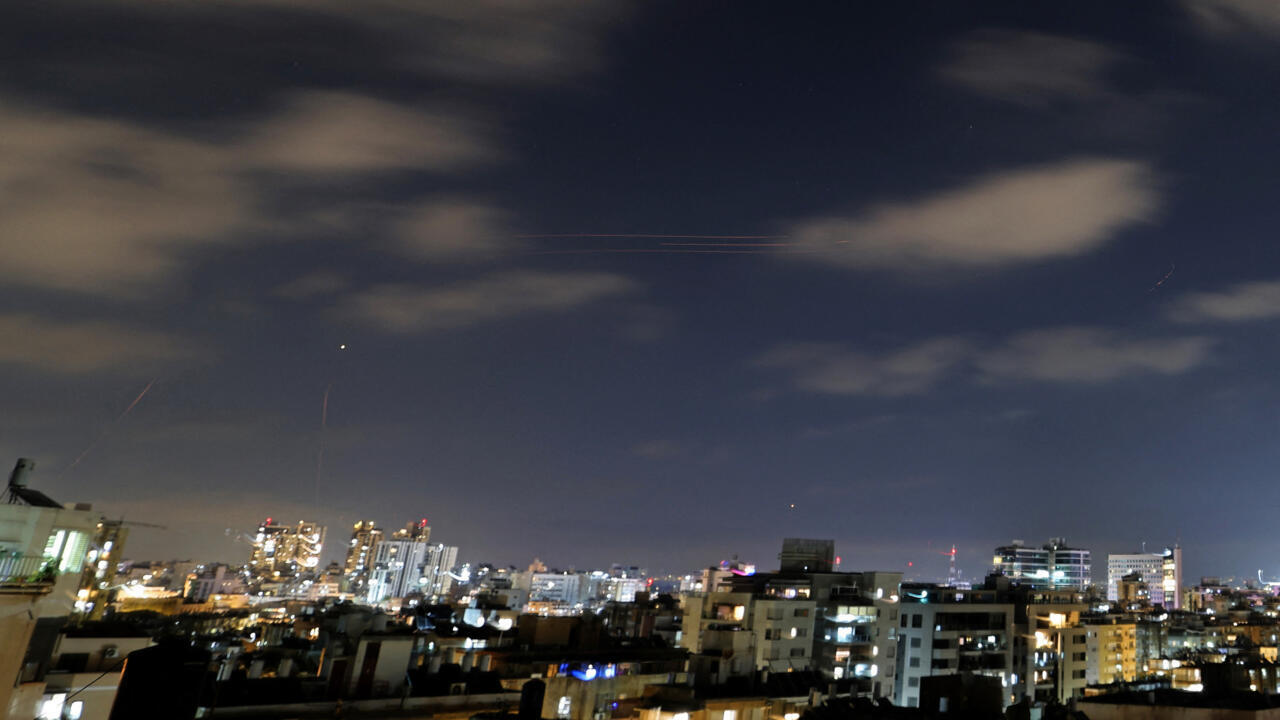
Israel conducted military strikes against targets in western and central Iran early on Monday, 8 June 2026, following a retaliatory missile attack launched by Tehran. Iranian state television reported explosions in the cities of Tehran, Tabriz, and Isfahan, confirming that the Israeli air force had executed operations against military installations. The attacks occurred hours after Iran fired a salvo of missiles at Israeli targets, an offensive that marks the first direct bombardment between the two nations since a fragile ceasefire was established in early April 2026.
The Iranian missile strike was a direct response to an Israeli attack on the southern suburbs of Beirut, which resulted in two deaths and 20 injuries. In the wake of the Beirut operation, the Israeli military stated it would continue its campaign in Lebanon and increase operations against Hezbollah. Concurrently, Iran’s Islamic Revolutionary Guard Corps (IRGC) targeted the headquarters of groups it designates as "terrorist" in Sulaymaniyah, Iraqi Kurdistan. The IRGC has repeatedly struck these Kurdish armed parties since the start of the regional conflict, despite the camps being largely evacuated and the existence of the April truce.
Israeli military chief Lieutenant General Eyal Zamir had vowed on Sunday that the military would strike Iran "with force" upon receiving orders. Speaking during a situational assessment, Zamir confirmed that the Israel Defence Forces would proceed with strikes as soon as the "green light is given." This directive was issued following the Iranian missile launch and preceded the Monday morning strikes that have now effectively collapsed the ceasefire agreement.
Diplomatic efforts to contain the escalation were underway prior to the military exchanges. On Sunday night, Iran’s top diplomat, Abbas Araghchi, held discussions with counterparts in Britain, France, Turkey, Qatar, and Pakistan. The talks focused on ceasefire violations and the deteriorating security situation, highlighting the international concern over the breakdown of the truce. The incident has further complicated ongoing US-Iran mediation efforts aimed at ending the wider regional conflict.
Iran designates the armed Kurdish parties operating in Iraqi Kurdistan as terrorist organisations, accusing them of serving Western or Israeli interests. The IRGC’s operations in Sulaymaniyah reflect a continued strategy to target these groups despite the broader ceasefire framework. The exact number of casualties or specific infrastructure damage resulting from the Israeli strikes in Iran has not been confirmed, and the precise nature and scale of the Iranian missile salvo remain undetailed beyond the description of a salvo. The long-term implications for regional stability remain uncertain as hostilities resume.