Israel vows forceful retaliation against Iran following missile strike
The fragile ceasefire established in early April has effectively collapsed as Iran launches its first direct bombardment of Israel, prompting immediate threats of military response from the Israel Defence Forces.
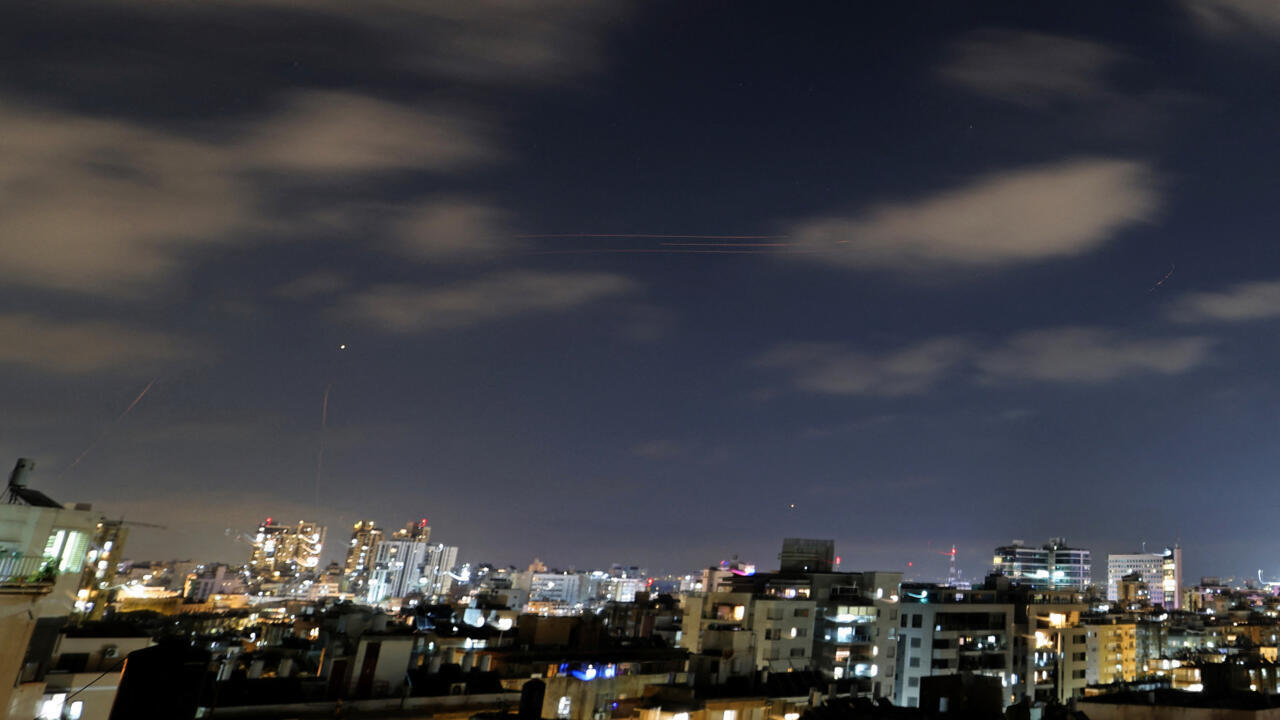
Israeli military chief Lieutenant General Eyal Zamir has vowed that the Israel Defence Forces (IDF) will strike Iran "with force" upon receiving orders, following a missile attack launched by the Islamic Republic. Speaking on Sunday, 8 June 2026, Zamir stated that the military would act as soon as the "green light is given," as he conducted a situational assessment of the escalating crisis. This development marks the first direct bombardment between the two nations since a fragile ceasefire was announced in early April 2026, effectively breaking the truce that had largely held until this point.
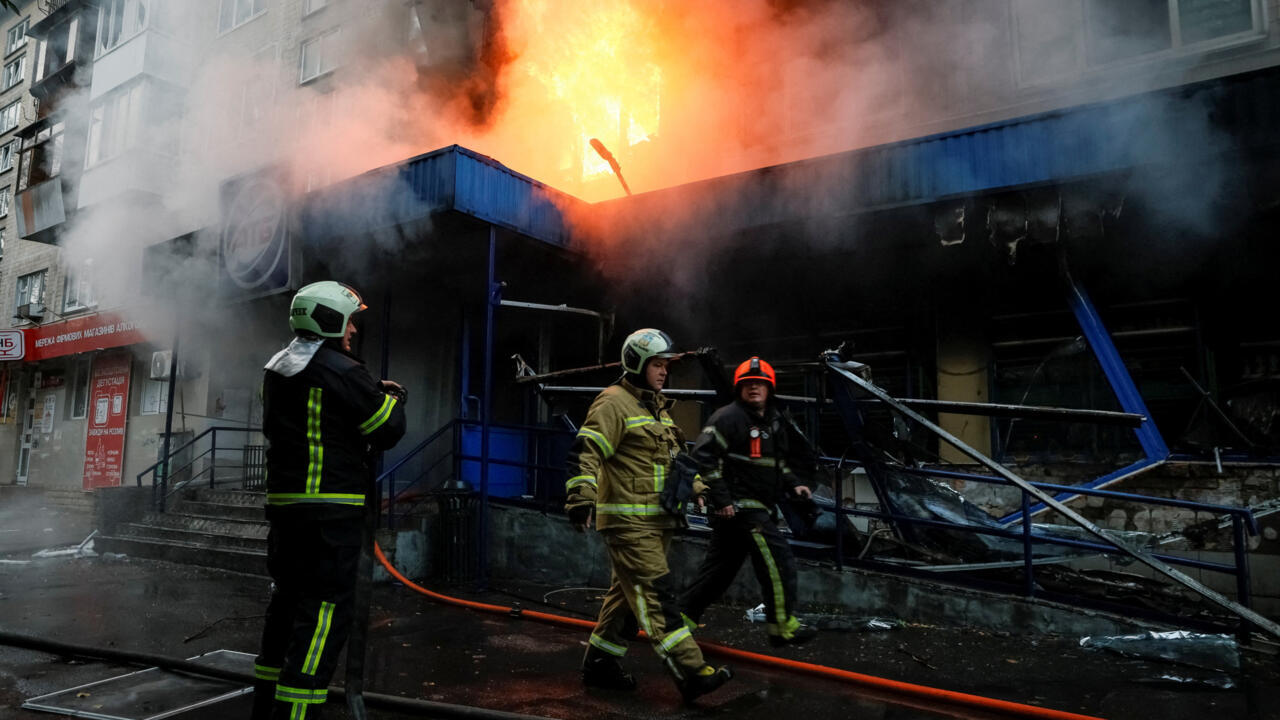
The Iranian missile attack was reported as a direct retaliation for Israeli operations in Lebanon, including strikes in the suburbs of Beirut. Concurrently, Israeli forces continued their military campaign in Lebanon, where attacks in Beirut’s suburbs resulted in two deaths and 20 injuries. The Israeli military confirmed it would press ahead with its operations against Hezbollah, signalling a significant escalation in the regional conflict despite the recent diplomatic efforts to stabilise the situation.
In a separate development, Iran’s Islamic Revolutionary Guard Corps (IRGC) confirmed via its state news agency, IRNA, that it had targeted the headquarters of Kurdish groups in Sulaymaniyah, Iraqi Kurdistan. The IRGC designated these armed parties as "terrorist organisations," accusing them of serving Western or Israeli interests. This action aligns with a pattern of Iranian strikes against Kurdish camps in the region since the start of the Middle East war, although reports indicate that these posts had largely been evacuated prior to the latest operation.
Diplomatic channels have been activated in response to the breach of the ceasefire. Iranian diplomat Abbas Araghchi held discussions on Sunday night with counterparts from Britain, France, Turkey, Qatar, and Pakistan. The talks focused on ceasefire violations and the broader implications of the missile strike, complicating ongoing US-Iran mediation efforts aimed at ending the wider regional conflict.
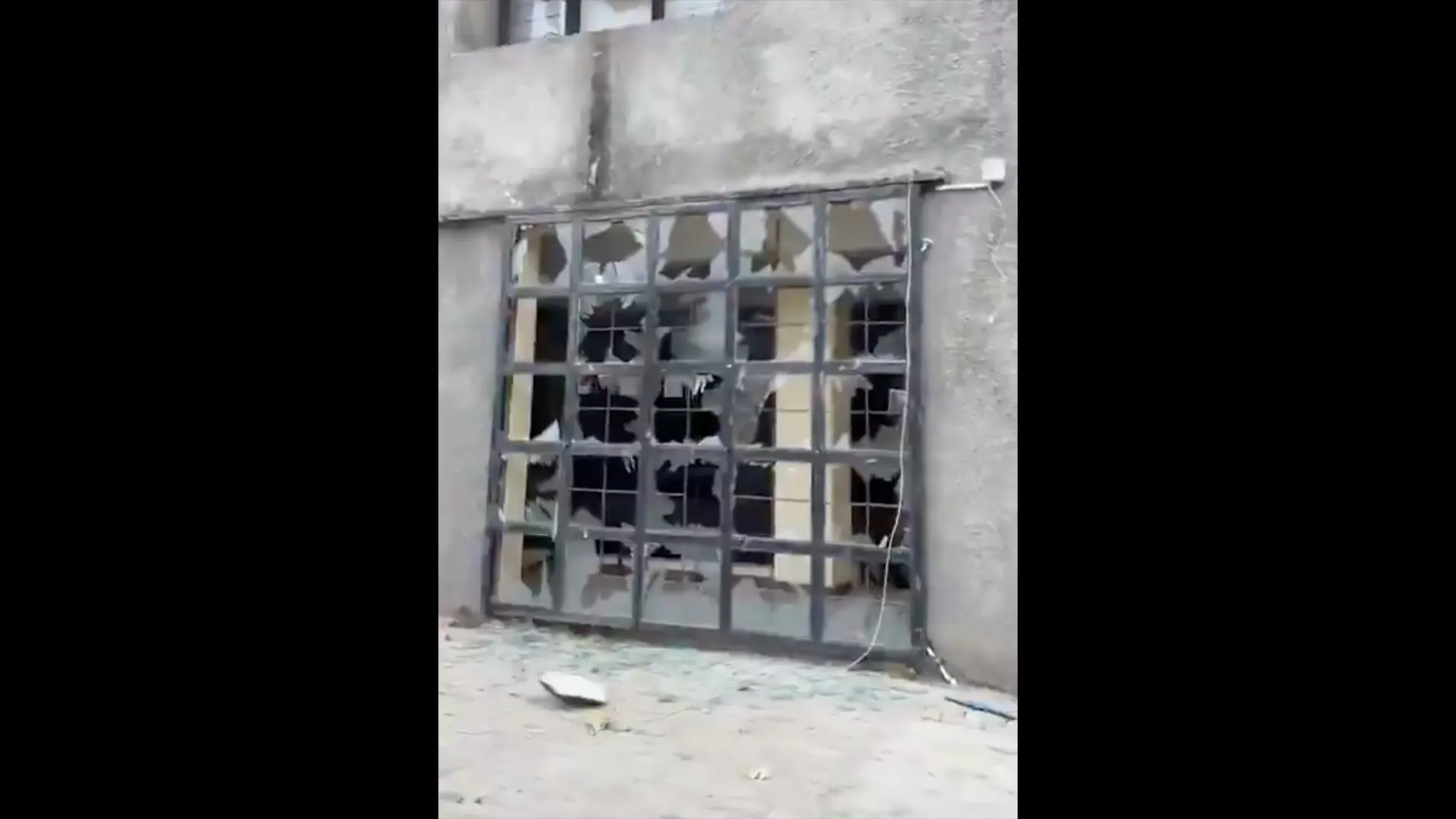
The incident has heightened tensions across the Middle East, with the extent of damage to Iranian targets, including the Ramat David air base, remaining unclear. The coordinated military actions by both Israel and Iran, alongside the diplomatic engagements involving multiple international mediators, suggest a complex and volatile landscape as the region grapples with the collapse of the April truce.