
ScienceDraft
Perseverance examines ancient rocks west of Jezero crater
NASA says the rover made 13 abrasion patches in the Lac de Charmes region in 2026, where early findings point to rocks shaped by lava, impacts or both.
Science DeskRead story
Research, discovery, space, energy systems, and the breakthroughs redrawing what is possible.
NASA says the rover made 13 abrasion patches in the Lac de Charmes region in 2026, where early findings point to rocks shaped by lava, impacts or both.
The agency’s seasonal notes explain how to track Algol’s regular dimming and offer tips for finding a faint nebula between Eridanus and Orion.
The Starliner-1 mission could fly to the International Space Station in December 2026 or January 2027 as NASA evaluates spacecraft changes and gathers data for certification.
The centre traces its history to five NACA engineers who arrived at Muroc Army Airfield in 1946. Today, it is testing the X-59, designed to demonstrate quieter supersonic flight.
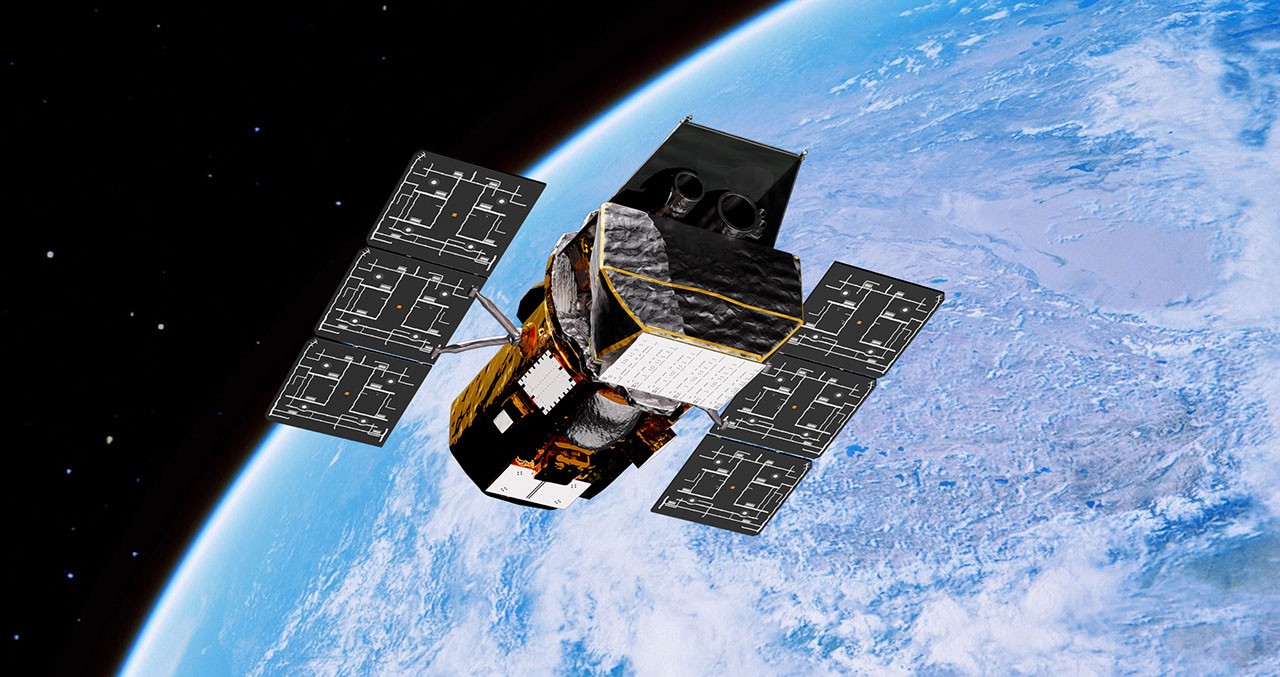
NASA and Katalyst Space called off LINK’s planned attempt to grapple and lift Swift after the spacecraft developed communication and orientation-control problems.
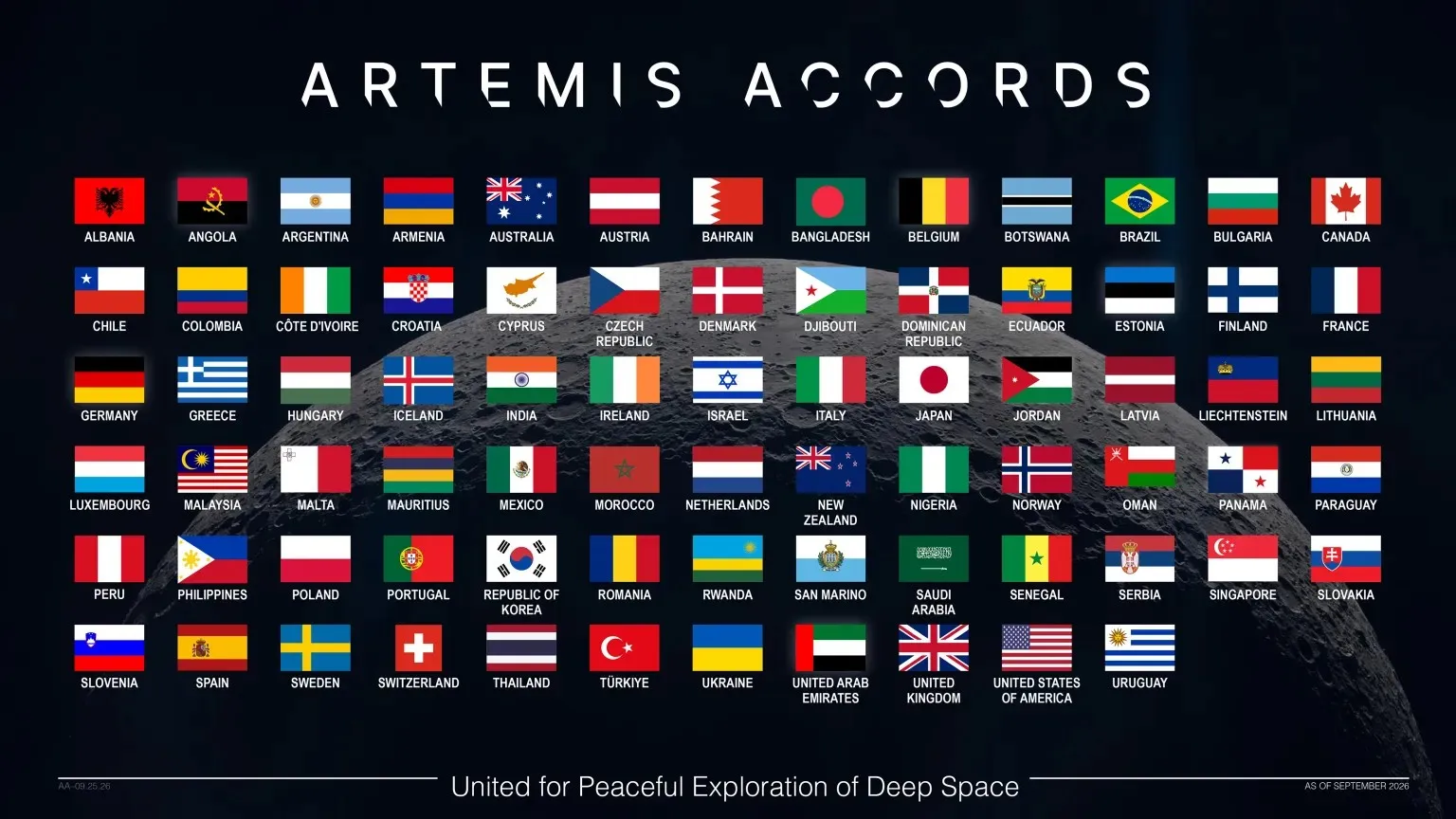
Albania, Croatia, Côte d’Ivoire and San Marino are the latest countries to join the principles for safe, peaceful and coordinated space exploration, NASA says.
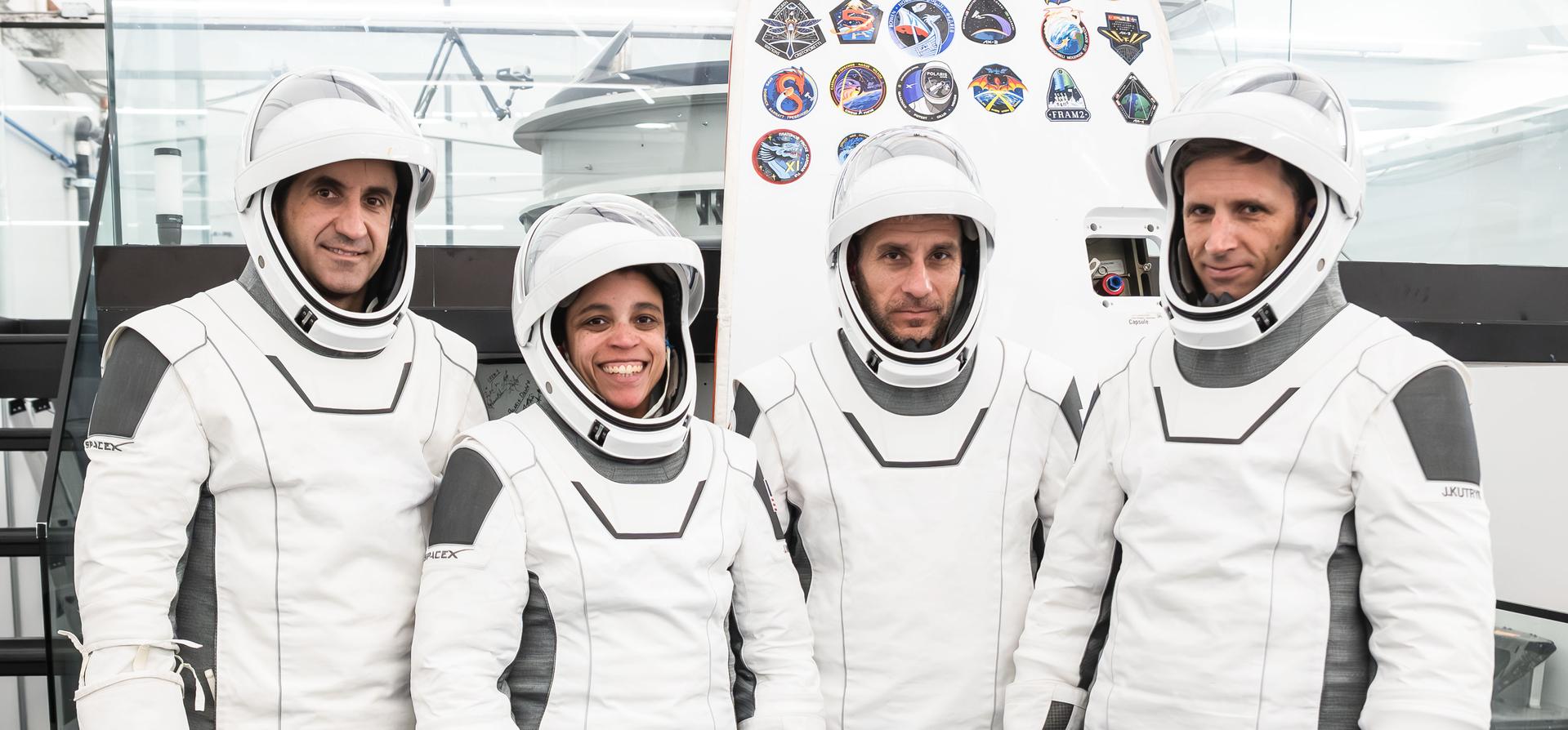
NASA’s four-person mission is scheduled to fly aboard SpaceX’s Dragon spacecraft Grace for research, technology demonstrations and station maintenance.
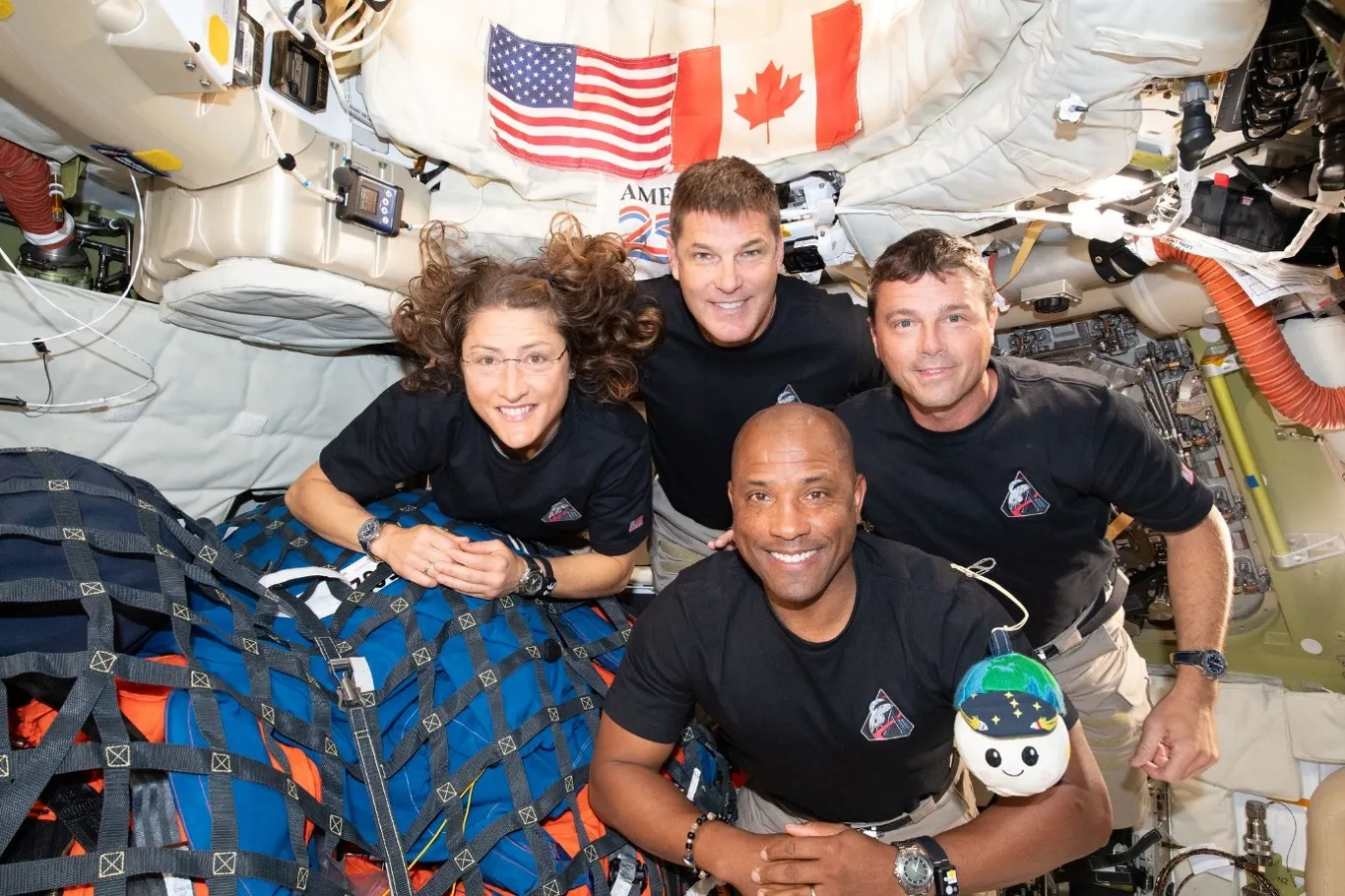
The four astronauts are scheduled to discuss their lunar mission at a free event on 30 September, where they will be recognised for a human spaceflight distance record.

The ORBIT Challenge invites US university and community college students to develop applications for NASA patents or technologies, with up to US$500,000 in prizes.

Quality engineer Kristie Foster supports propulsion testing and preparations for Blue Origin’s planned New Glenn tests at the Mississippi centre.

NASA’s Astronomy Picture of the Day describes a beige composite colour estimated from light from 200,000 galaxies.

Johnson Space Center’s 16-member team uses a testing facility to assess robots and components for tasks that could support crews on the Moon and, potentially, Mars.

A NASA-led study mapped hundreds of previously unseen or fragmented valleys, many extending farther inland than earlier records showed.

The Astronomy Picture of the Day compares a stack of exposures before and after software reduced trails and other camera artefacts.

NASA’s Astronomy Picture of the Day features a meteor photographed over La Palma, with its atmospheric flash reflected in segments of a prototype telescope’s mirror.

Leadership from both agencies will gather at Kennedy Space Center to discuss the development of the spacecraft and future crew rotations to the International Space Station.

The ASCENT mission is preparing for a launch no earlier than 1 October, when it will begin a planned in-orbit test of chemical and electrospray thrusters fed by one tank.

Minister Rossano Fabbri signed the agreement at a ceremony in Rimini, attended by NASA and US Department of State officials.

The 2026–2027 Dream with Us challenge asks students to explore how liquefied natural gas could shape aircraft and airport design.

The NASA challenge asks eligible US students to plan an airport that can handle liquefied natural gas and traditional aviation fuel. Entries close on 22 January 2027.

NASA’s image of the spiral galaxy reveals arms marked by dust and blue stars that appear to form a ring around its glowing centre.

A NASA technical bulletin recommends homogenising the alloy after casting, then deforming it in multiple directions to help limit defects that can affect strength and corrosion resistance.

The storm reached Category 5 strength on 22 September, then weakened slightly by the time NASA’s satellite image was captured the following afternoon.

NASA’s Astronomy Picture of the Day highlights a cluster of about 10 million stars, where Hubble observations point to evidence of a massive black hole.

The signing in Abidjan adds the West African nation to an agreement setting principles for safe, transparent and coordinated space exploration.

The crew is scheduled to travel to the International Space Station no earlier than spring 2027 for a long-duration science expedition.

Chinyere Ukeje’s proposed system combines crop growing, fermentation, fungi cultivation and nutrient recycling. NASA says it could supply half the food in a Mars surface scenario.

A carbon dioxide recovery system developed under NASA contracts for possible Mars missions was adapted for breweries and has since found uses in several other industries.

SPLICE completed simulated lunar descent and landing manoeuvres in recent testing near NASA’s Armstrong Flight Research Center.

A sequence of 17 images from the NASA–ISRO satellite shows lava filling an inner caldera, spilling into a wider crater and spreading outwards.

NASA says astronauts aboard the International Space Station will take part in health and performance studies to inform future missions.

The wide-field view, assembled from about 200 hours of observations in Morocco, also captures the Tadpole Nebula and star cluster M37.

Cool air from the Pacific brought low clouds inland on 19 September, while satellite images showed clearer skies across much of the region by afternoon.

The agency says the systems could help pilots navigate busy airports and detect obstructions, while separate routing technology moves to airline testing under the FAA.

The first mission in NASA’s Probe Explorers class is targeted to launch in 2033, subject to a review before implementation.

The Zagreb signing adds Croatia to an agreement setting principles for transparency, safety and coordination in space exploration.

The mission’s first flight series will use more than a dozen sensors to measure pollutants from farms and agricultural land and examine how they interact with the atmosphere.

On its milestone orbit, the telescope observed a galaxy cluster that may magnify light from supernova Athena, whose predicted reappearances could help researchers study the cluster and cosmic expansion.

The estimated 2026 extent matches three earlier years, while the 20 lowest annual minima in the satellite record have all occurred since 2007.

The NASA astronaut returned aboard Atlantis after a mission studying life and other phenomena in microgravity with two Russian cosmonauts.

The 20 October programme at Exhibit Hall Booth 648 lists sessions on NISAR, NOAA satellite data, mineral resources and ocean observations.

An observation made on the milestone orbit is monitoring supernova Athena, whose expected reappearances could help researchers map a galaxy cluster and refine estimates of cosmic expansion.

A NASA technical bulletin advises keeping hydrazine above freezing and suspending system use if exposure cannot be ruled out.

NASA satellite imagery shows a greener landscape after above-average winter rainfall. Local experts say the display could be the area’s best in nearly two decades.

NASA says an impactor estimated at 10–20 metres across formed the crater McGetchin between April and May 2024.

NASA’s rover travelled about 60 metres over sols 5010–5015, studying rocks and imaging nearby buttes as it moved through the valley.

An expert working group is examining decompression sickness, venous thromboembolism and patent foramen ovale risks linked to spaceflight and extravehicular activity.

Incendiamoeba cascadensis can reproduce at 63°C and remain active at 64°C, according to a NASA-funded study published in Cell.