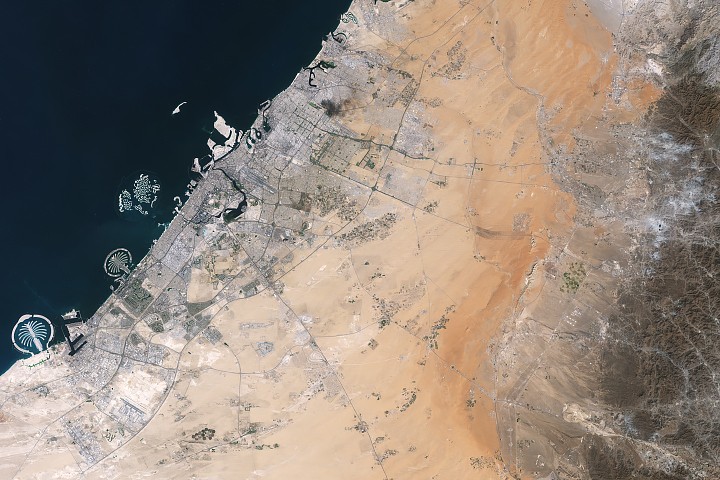
NASA Earth Observatory reveals UAE’s geological and human history
Analysis of Landsat 8 data shows how marine deposits and ancient oceanic lithosphere underpin one of the earliest known Homo sapiens sites on the Arabian Peninsula.
Research, discovery, space, energy systems, and the breakthroughs redrawing what is possible.

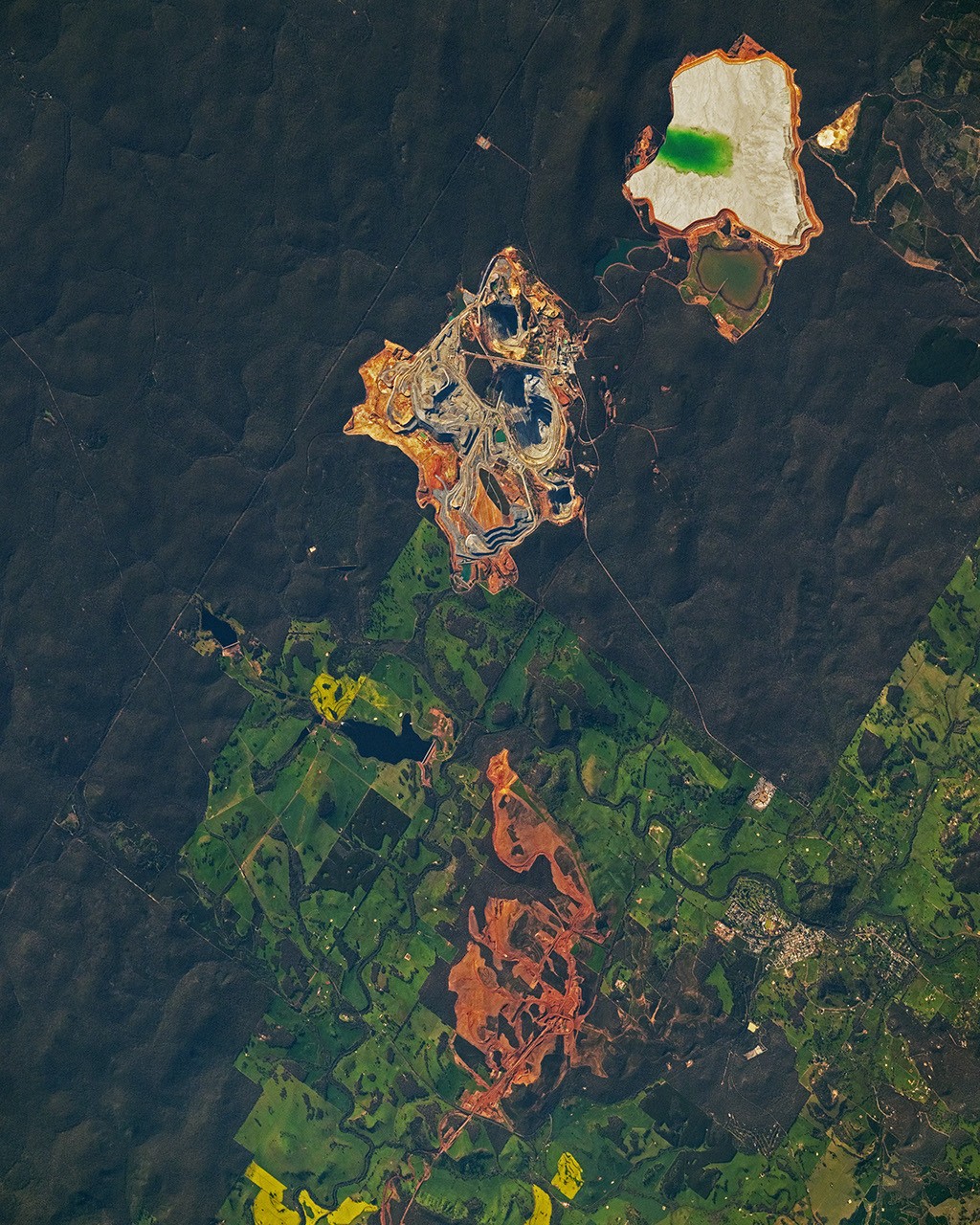
Analysis of Landsat 8 data shows how marine deposits and ancient oceanic lithosphere underpin one of the earliest known Homo sapiens sites on the Arabian Peninsula.
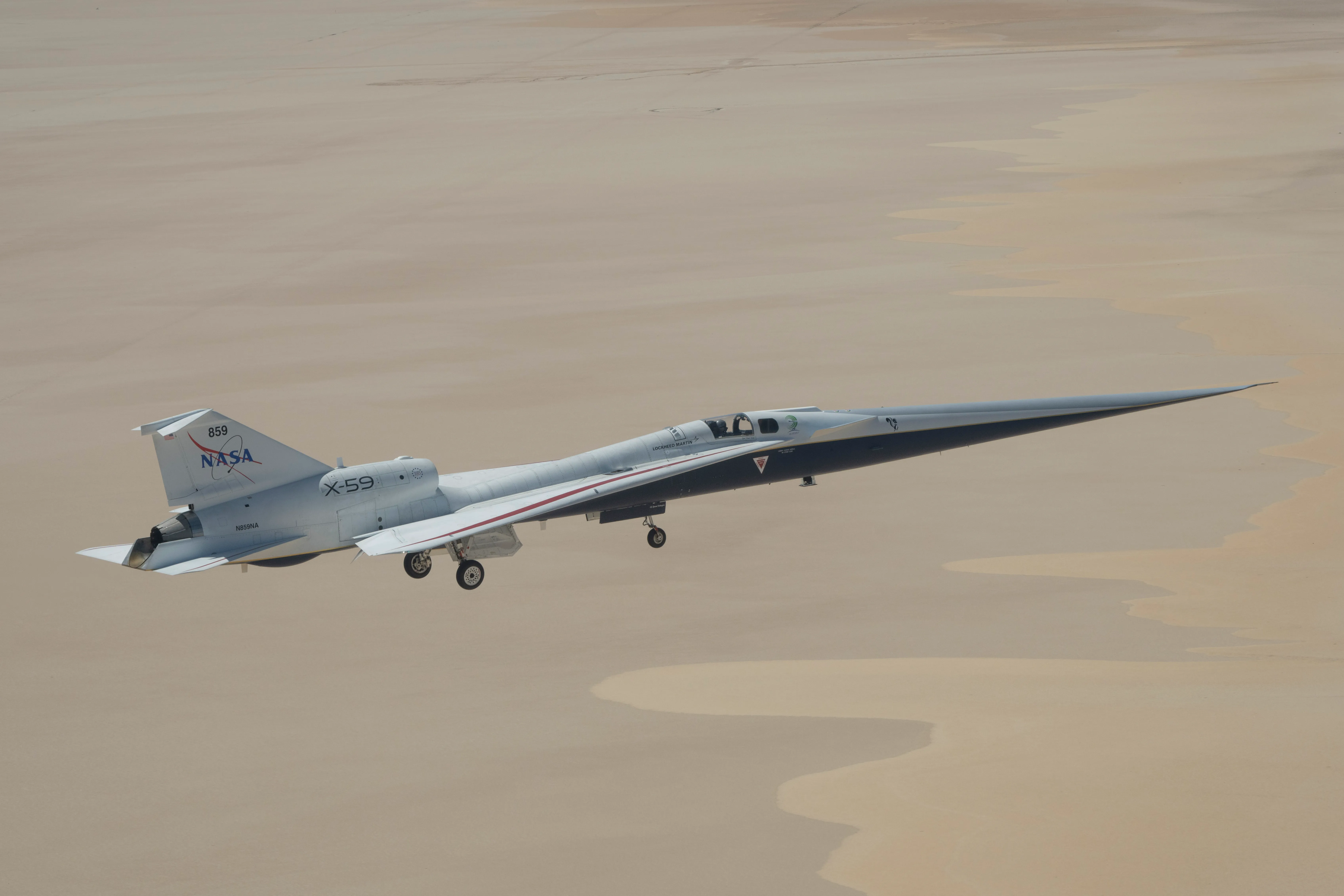
The X-59’s first supersonic flight marks a critical step in NASA’s Quesst mission, with the agency preparing for higher-speed tests to validate its ‘quiet thump’ technology.
Massachusetts Institute of Technology takes top two spots in the Revolutionary Aerospace Systems Concepts – Academic Linkage competition, with Virginia Polytechnic Institute securing third place.
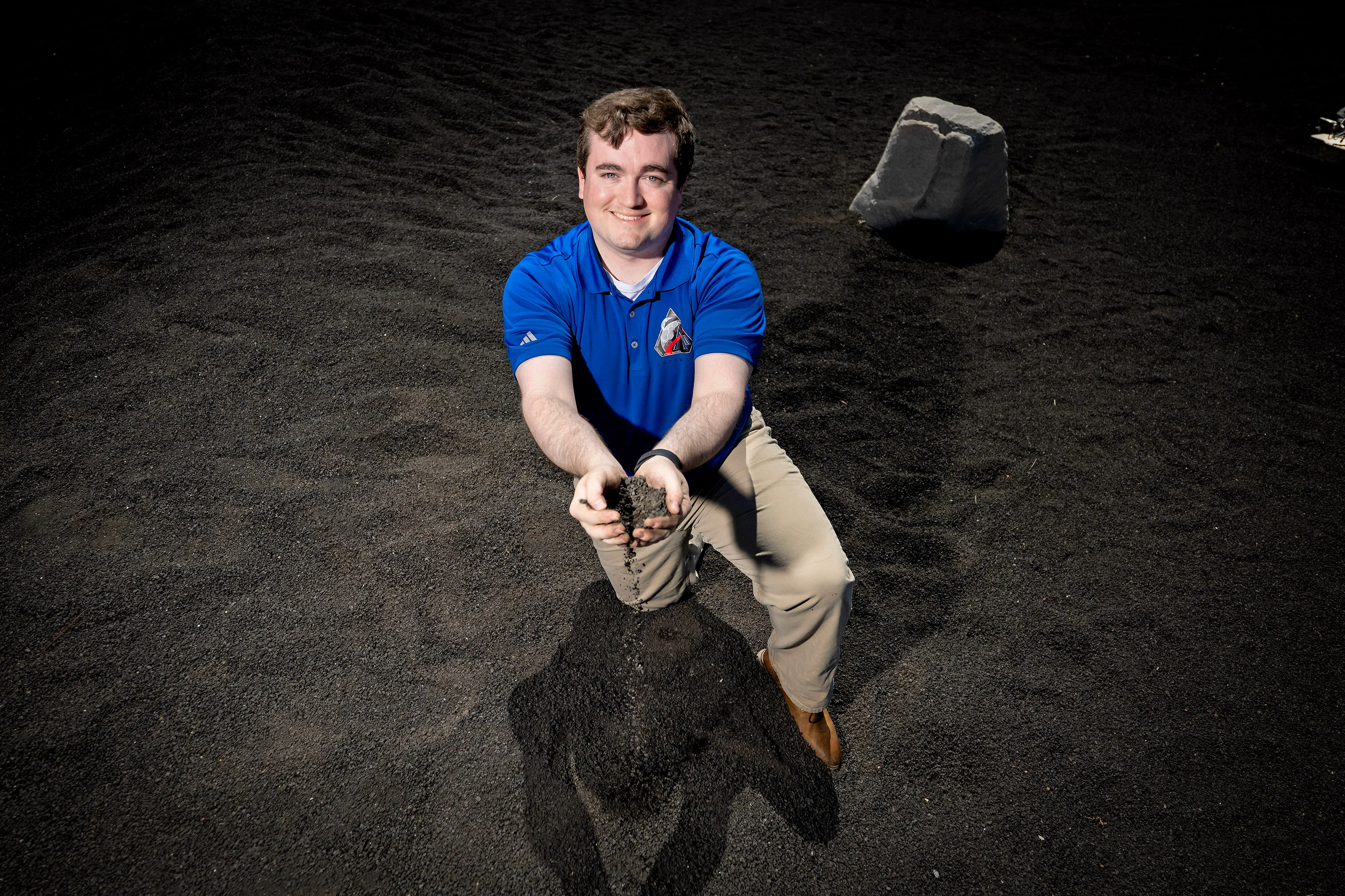
Data from the Artemis II mission is being analysed to inform future deep-space exploration and lunar surface operations.

Scientists combined two decades of satellite data with genetic testing to map global stress in the base of the marine food web

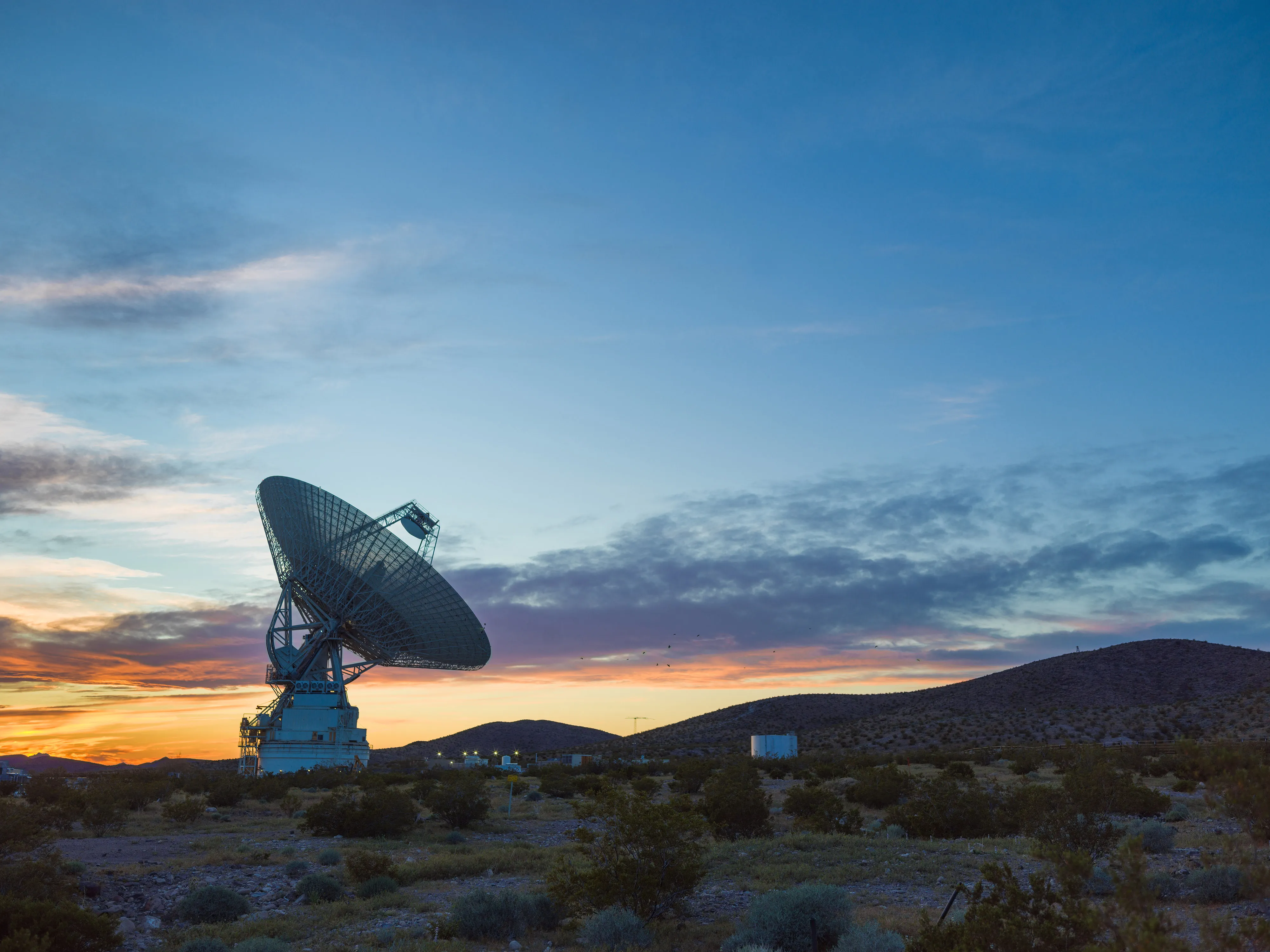
The agency’s Type A mishap investigation reveals systemic issues at the California complex, with repairs estimated at $4.6 million and the network continuing to support over 40 missions via its remaining 13 antennas.

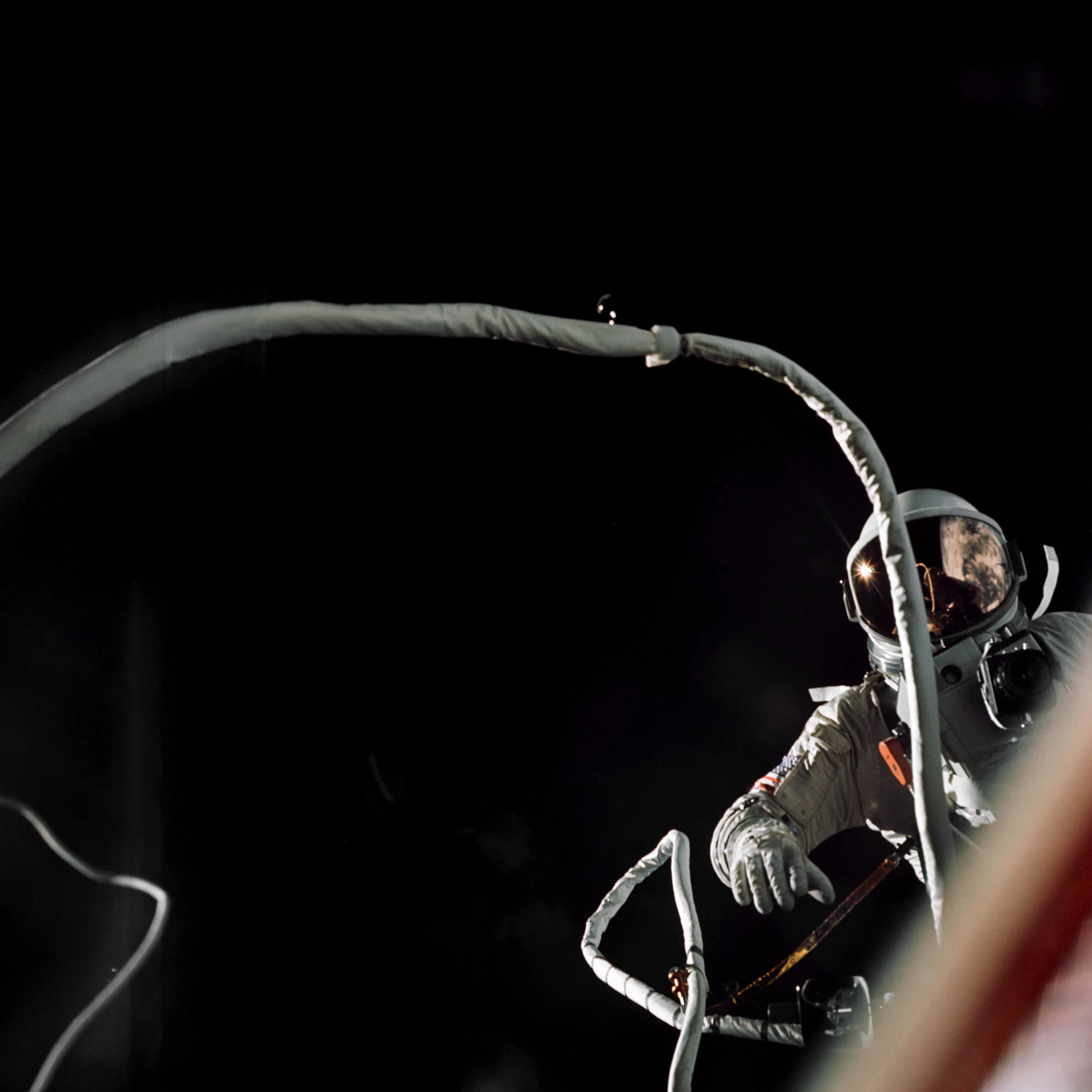
A grueling two-hour excursion by astronaut Gene Cernan in June 1966 exposed severe flaws in early spacesuit technology, leading to vital improvements in training and design ahead of the Moon landings.
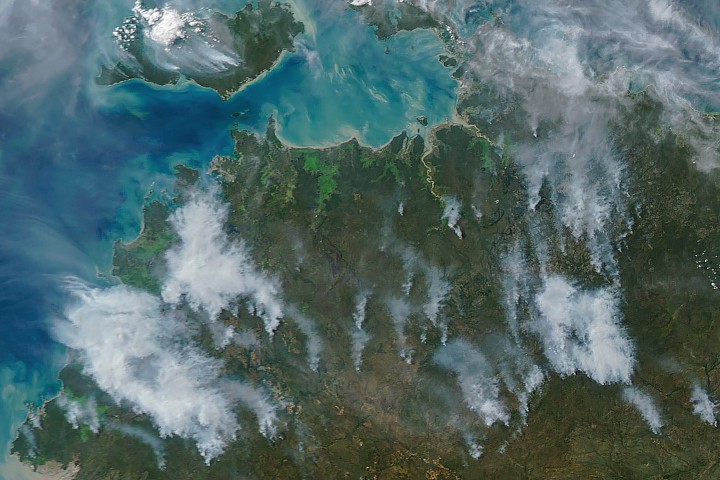
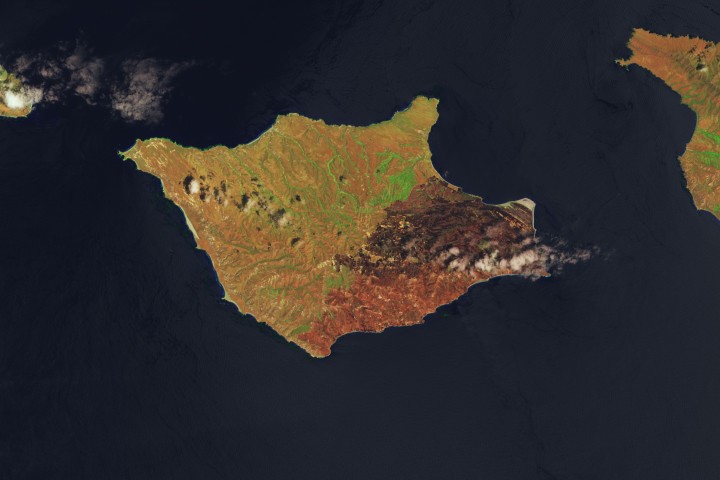
Satellite imagery from May and June 2026 reveals extensive fire activity that land managers attribute to intentional prescribed burns, aiming to mitigate the severity of later wildfires.

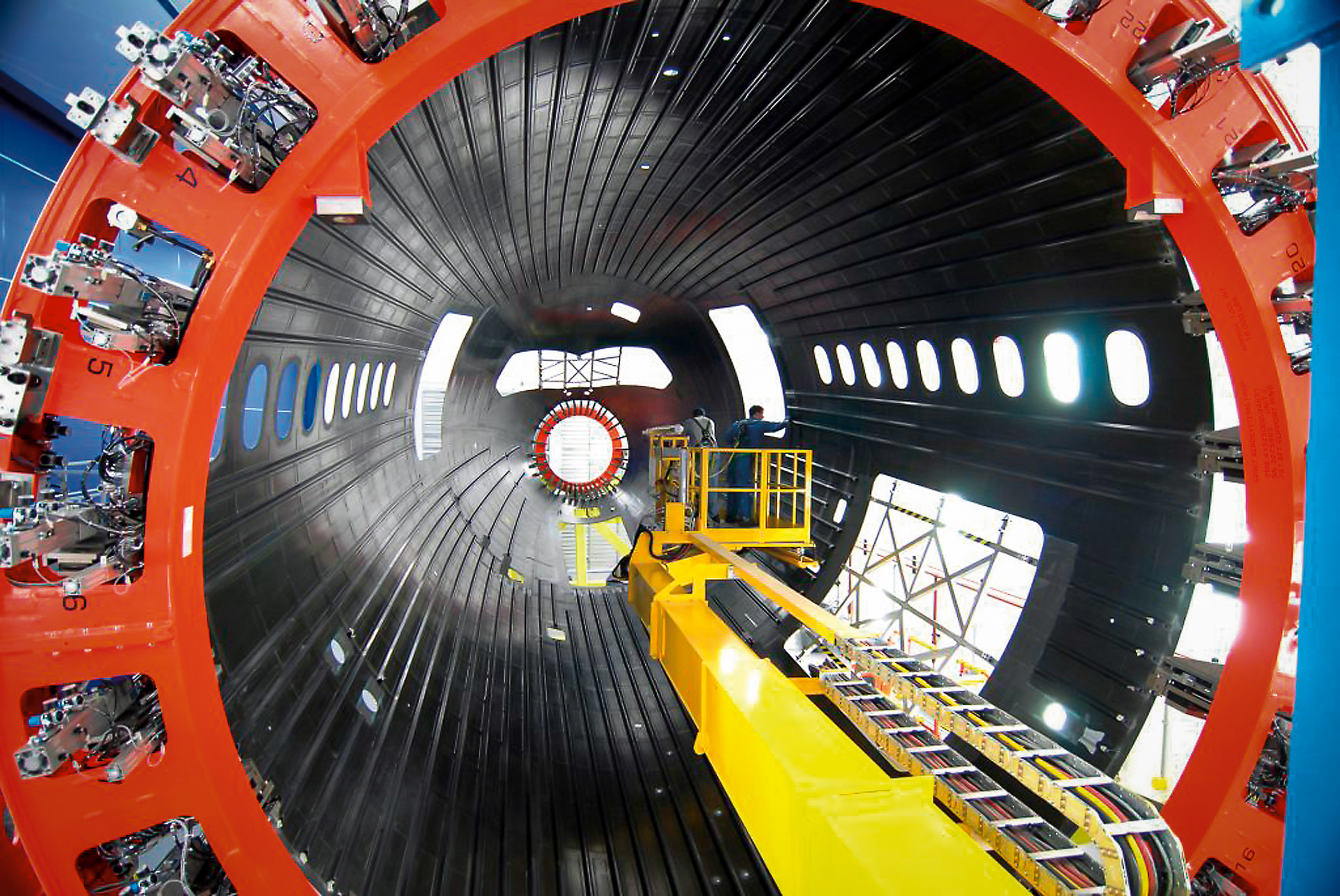
The Advanced Composites Consortium convened at Langley Research Center to assess development phase results and plan large-scale wing and fuselage assembly tests.

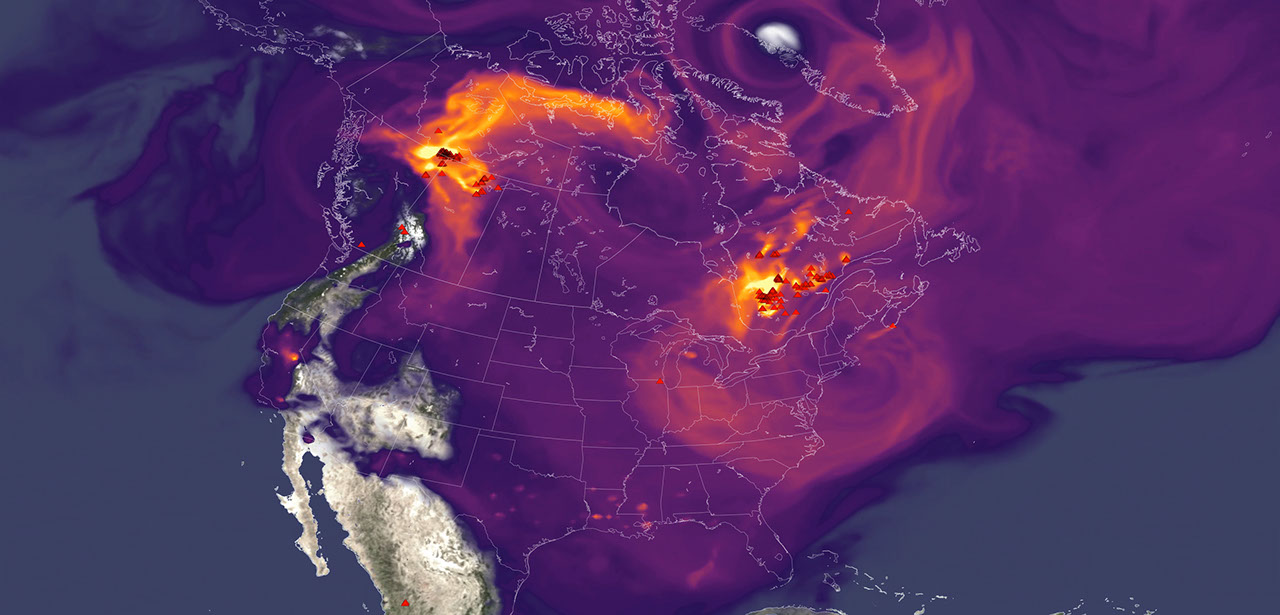
A NASA-funded analysis using artificial intelligence and satellite data shows wildfire emissions have significantly worsened ground-level ozone across the contiguous United States, contributing to hundreds of additional premature deaths annually.

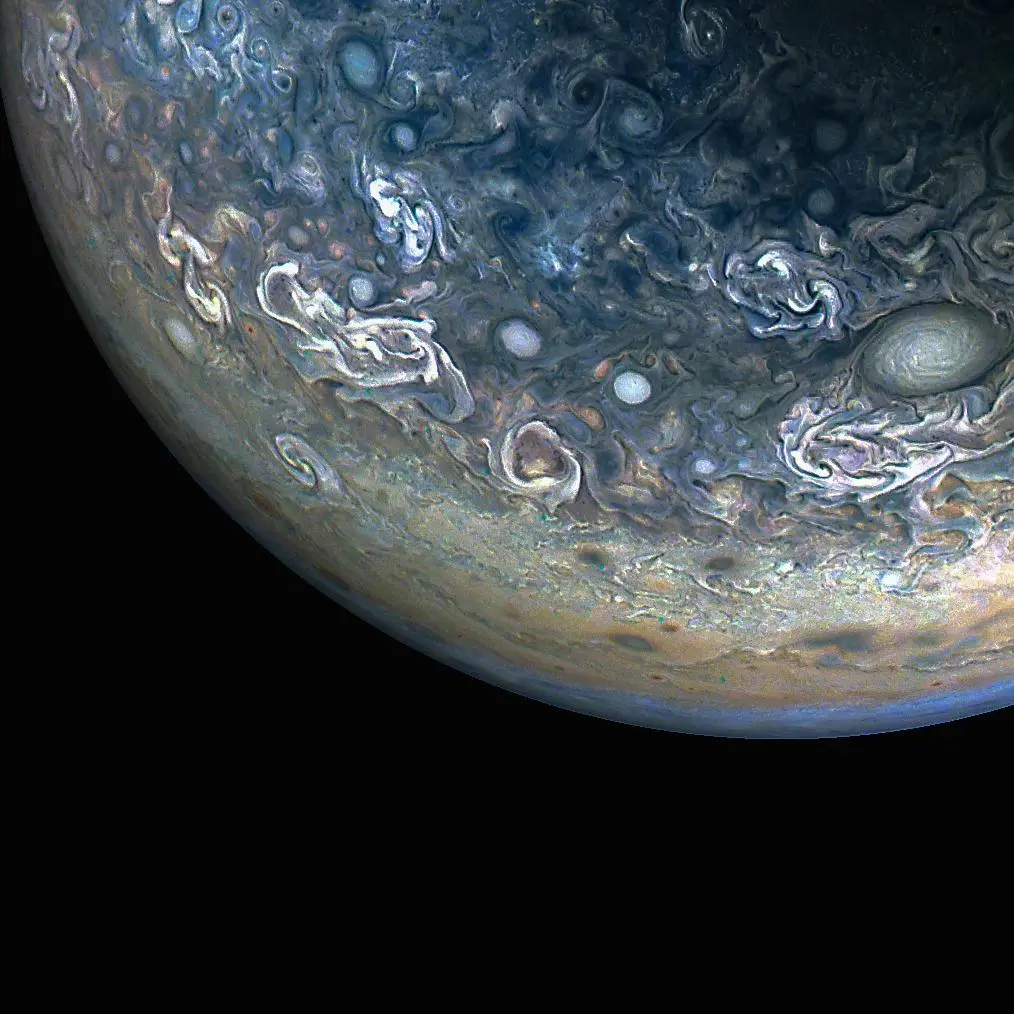
Citizen scientist Gary Eason enhances raw JunoCam data to highlight cyclonic storms where zonal jets break down

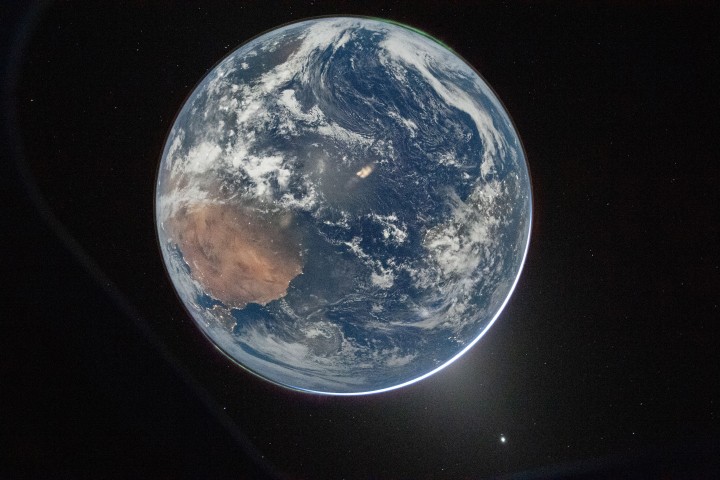
NASA scientists say the image, taken from the Orion spacecraft after translunar injection, offers a unique perspective on Earth’s interaction with the solar system and human activity.

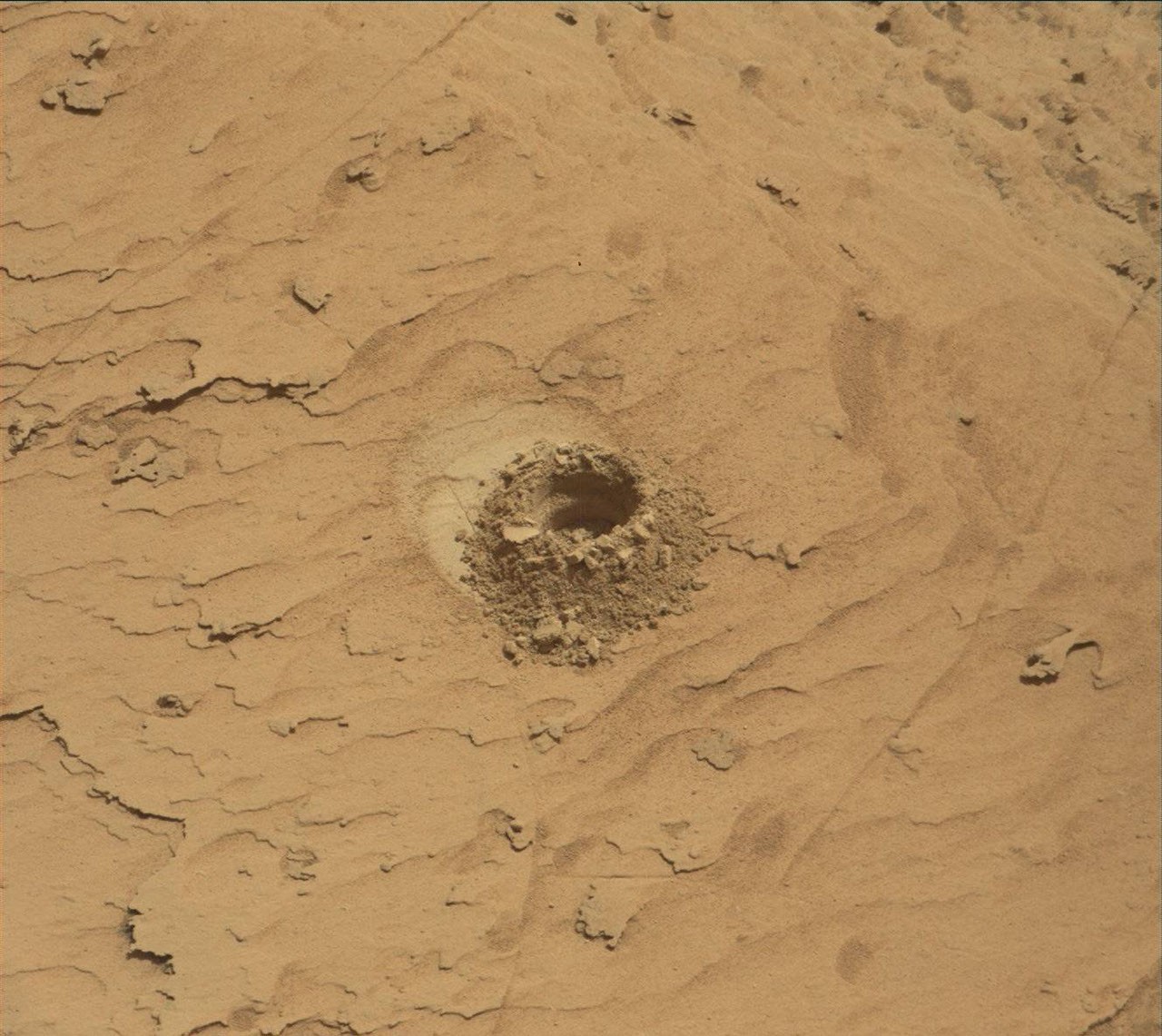
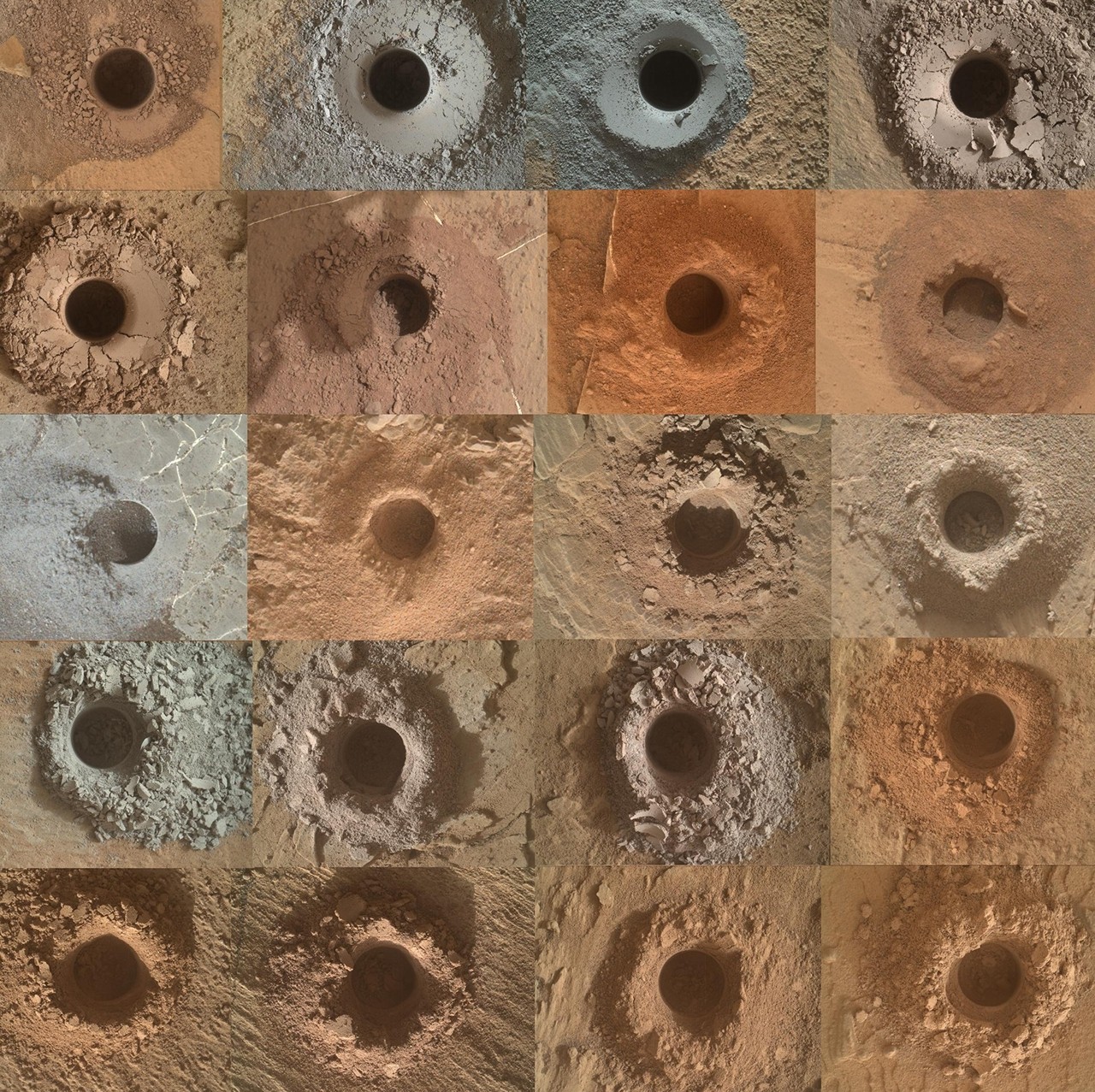
The Curiosity rover has finished its operational stay at the Campo Marte workspace, marking the completion of its 47th successful drill and a series of detailed geological investigations before moving toward the next area of interest on Mount Sharp.

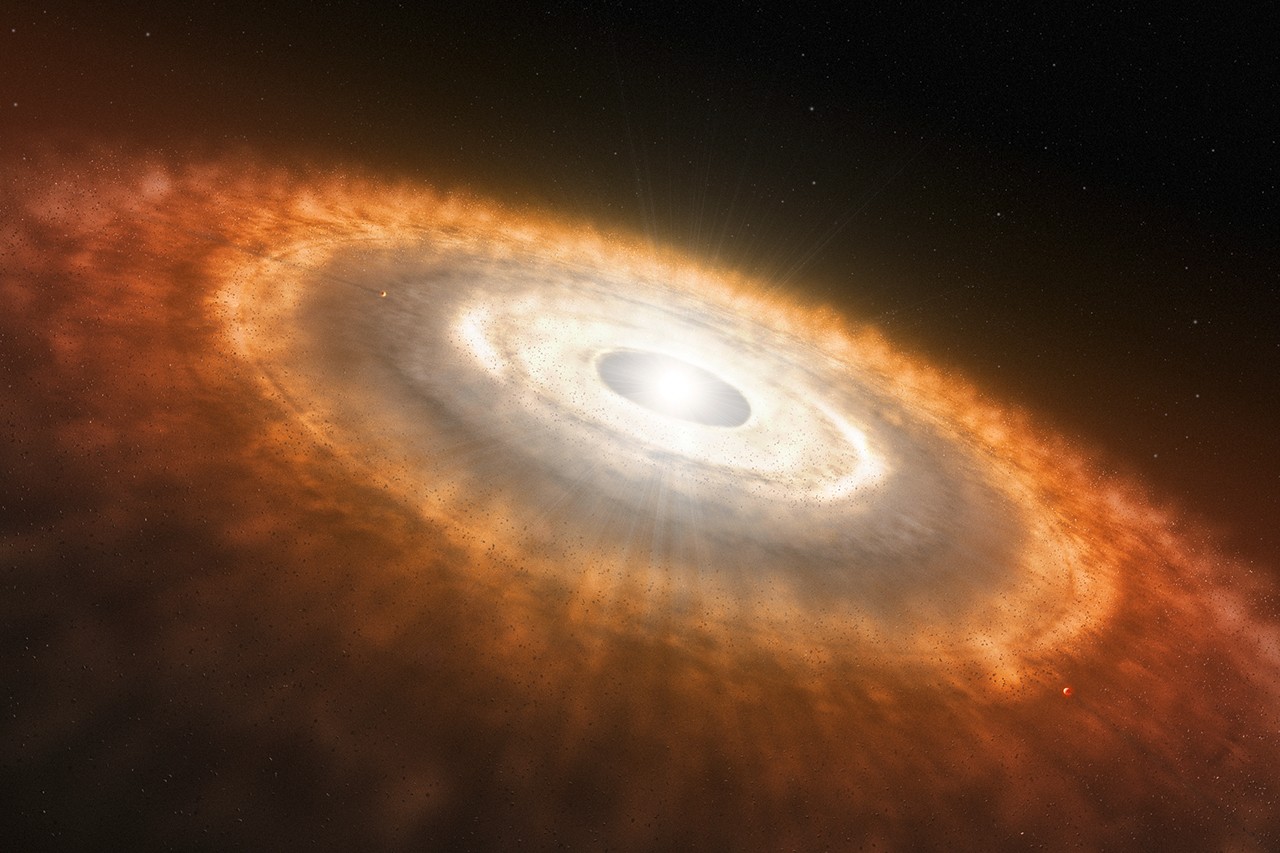
New geochemical modelling indicates Jupiter’s formation played a critical role in delivering nitrogen and phosphorus to the early Earth.

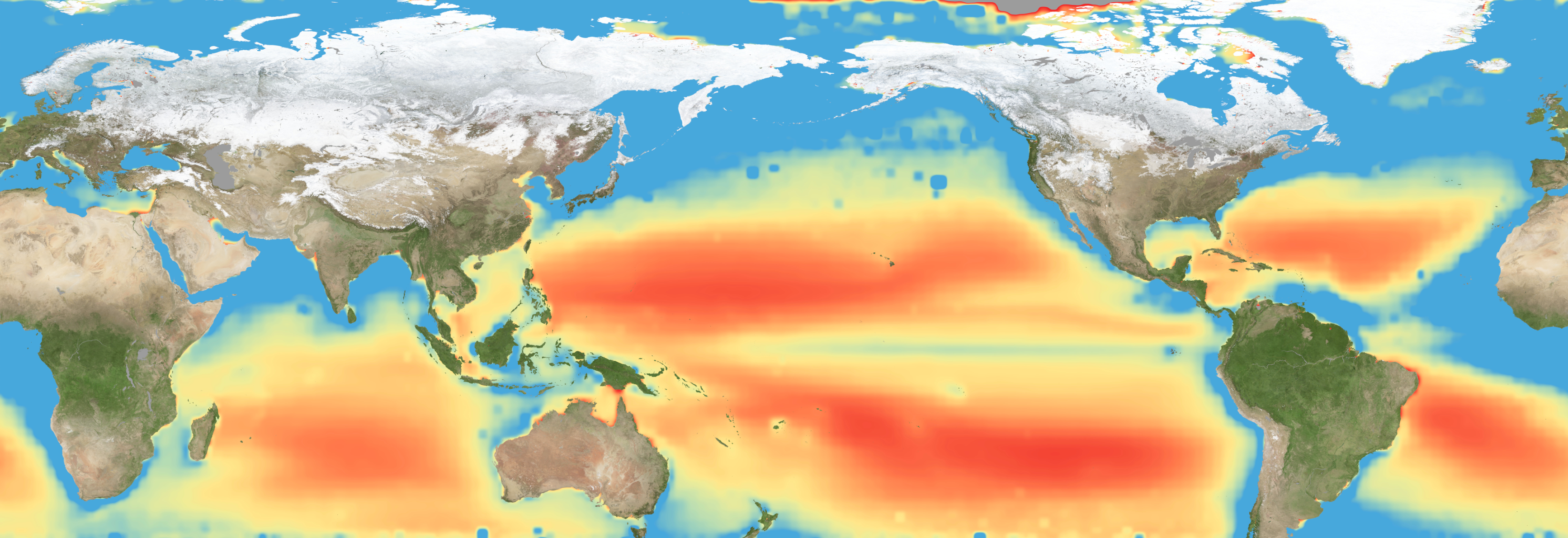
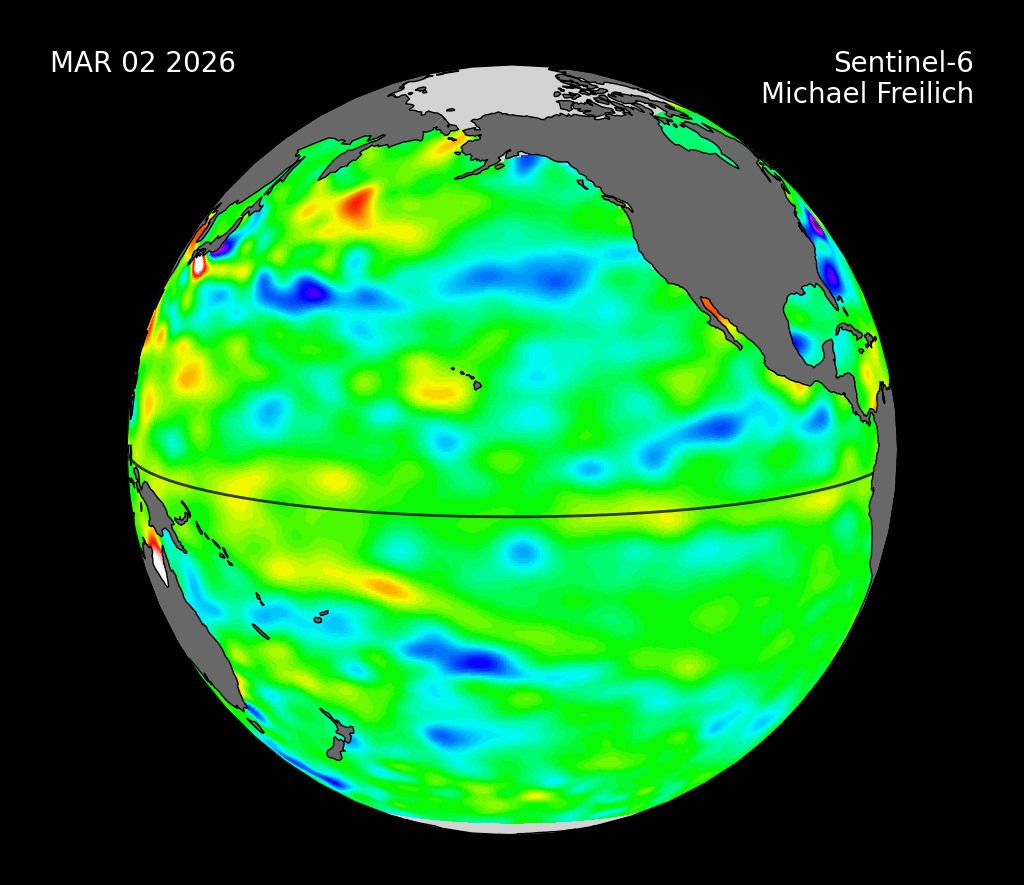
New measurements from the international Copernicus Sentinel-6/Jason-CS mission show a warm Kelvin wave moving across the Pacific, with sea levels around Peru rising 15 centimetres above long-term averages by mid-May 2026.

Messier 88, located 63 million light-years away, is currently moving towards the centre of the Virgo Cluster, a process expected to take hundreds of millions of years.

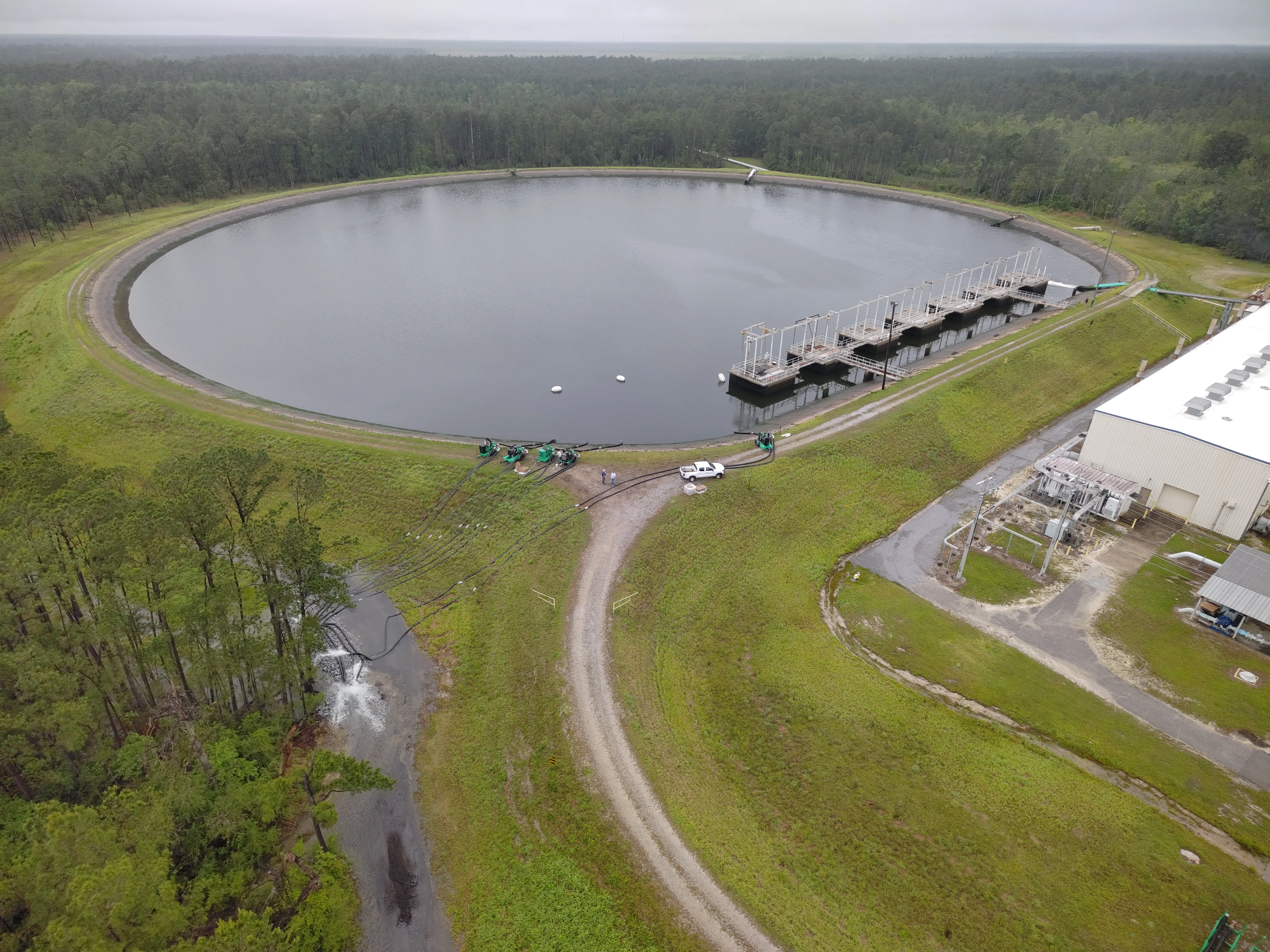
Crews drained 40 million gallons from the High Pressure Industrial Water Facility to replace an end-of-life pump and modify piping configuration, supporting future Artemis mission tests.

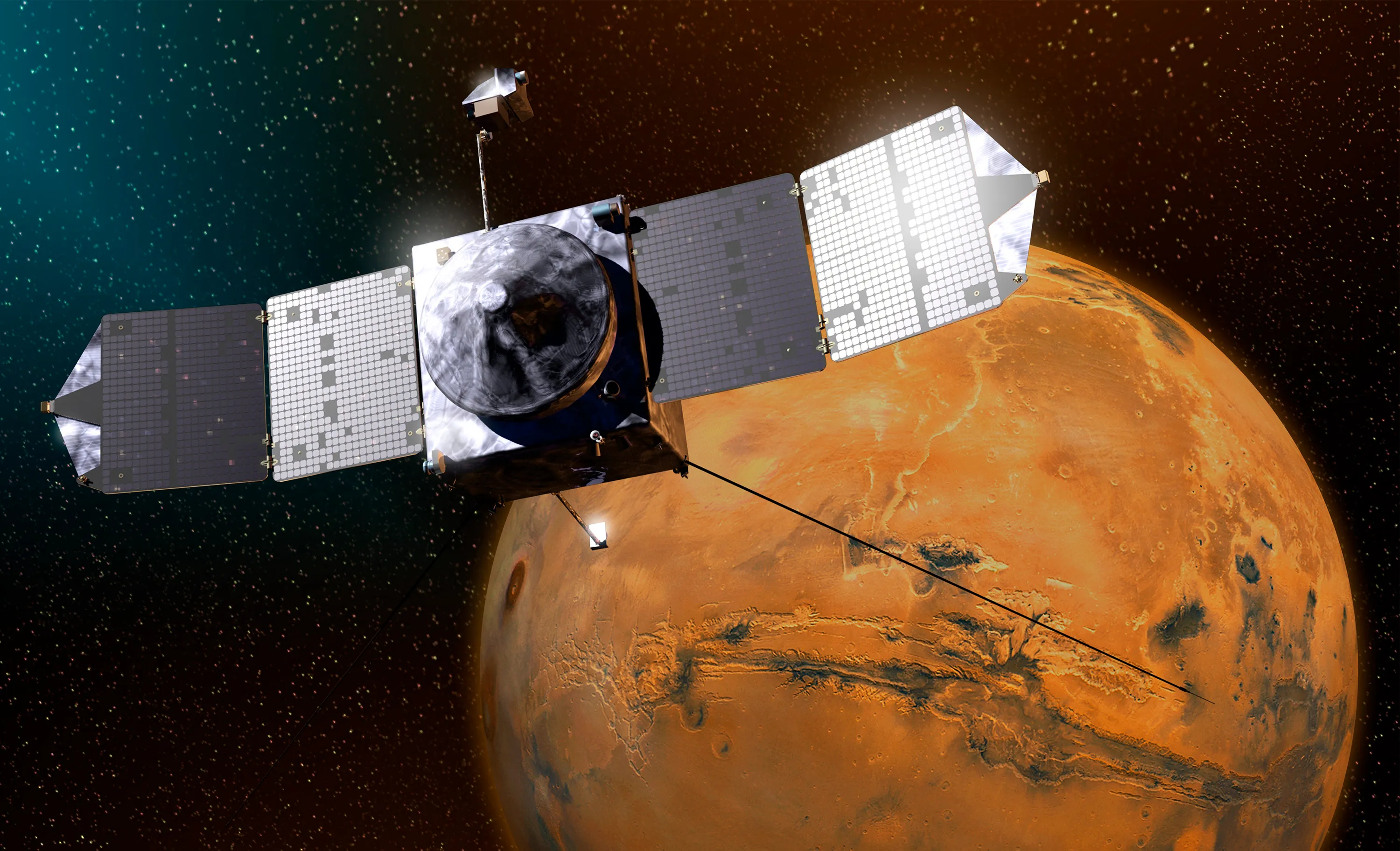
The agency has begun decommissioning the orbiter, which spent more than 11 years studying the Martian atmosphere and solar interactions before losing contact in December.

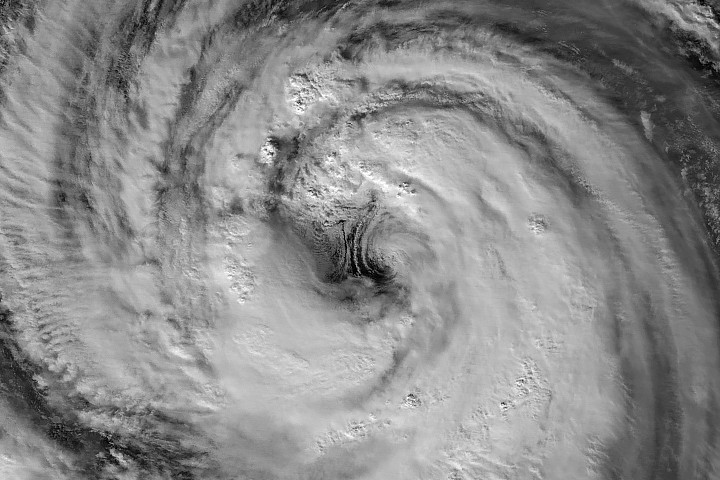
Typhoon Jangmi brought torrential rain and flooding risks to Okinawa and the Amami region in late May and early June 2026, with sustained winds reaching 130 kilometres per hour.

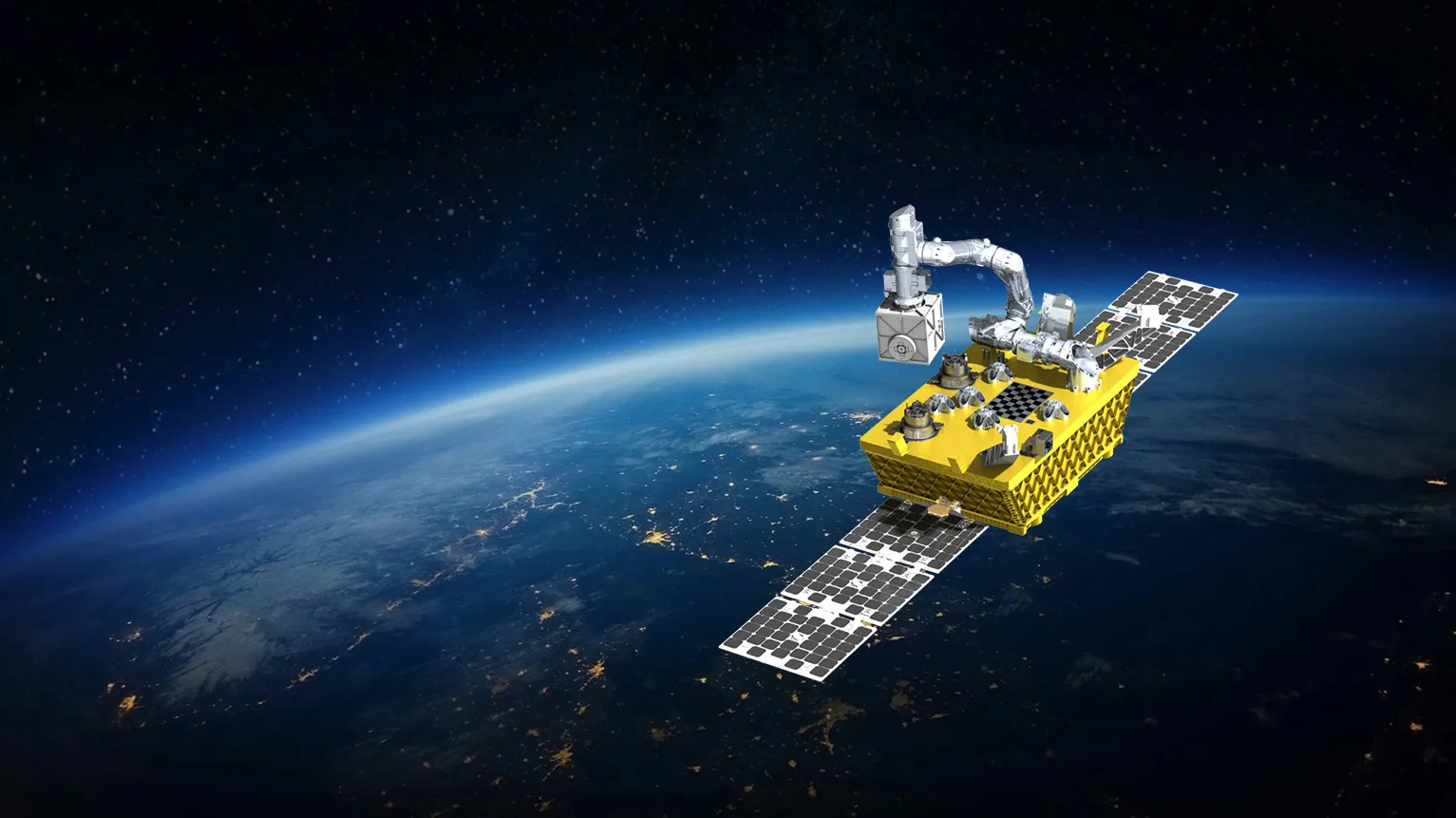
The Fly Foundational Robots mission seeks compelling experiments from principal investigators, professors, and graduate students, with a submission deadline of 23 September 2026.

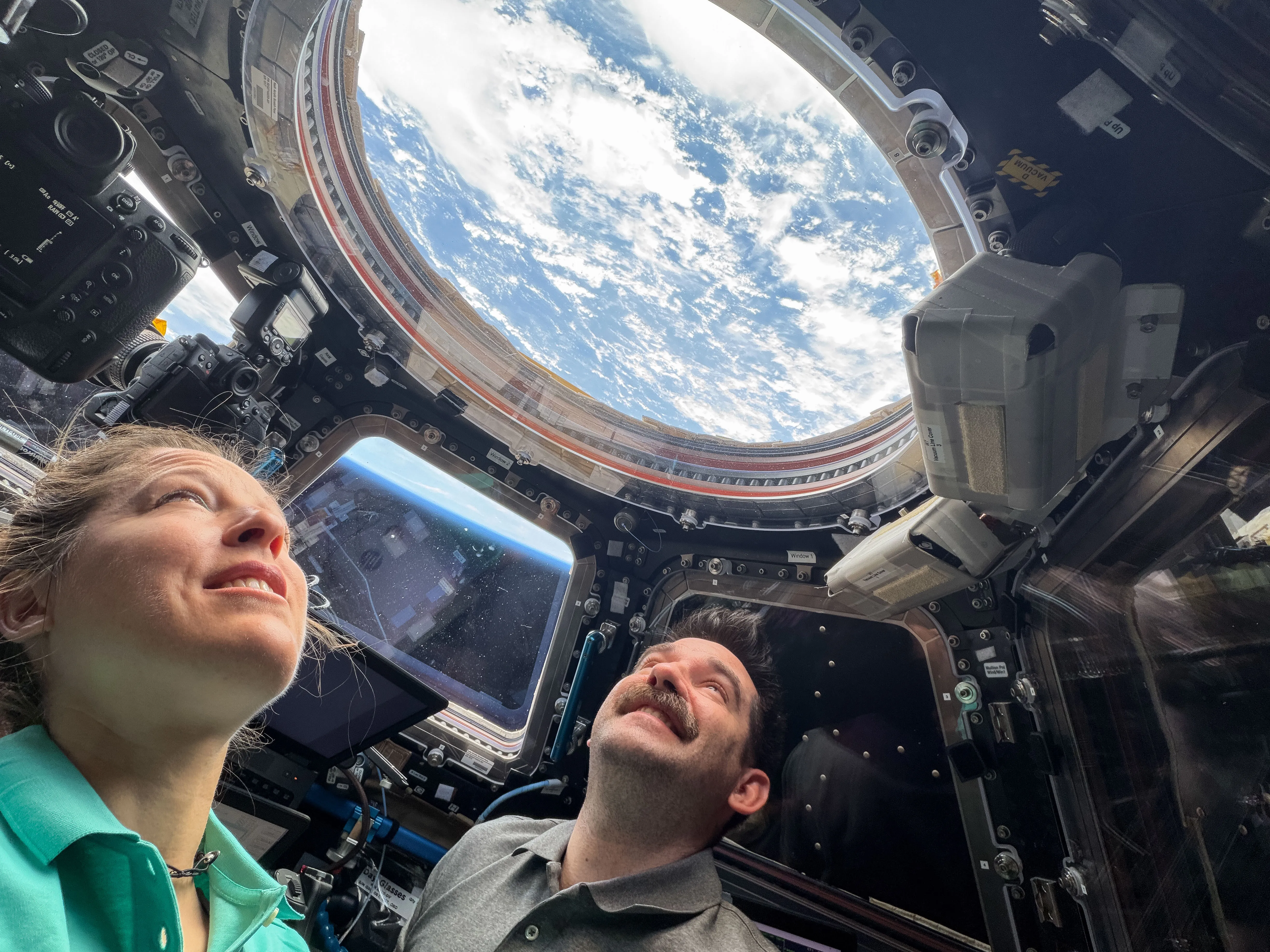
Sophie Adenot and Jack Hathaway observe the SpaceX Dragon spacecraft as it docks with the orbital outpost on 17 May 2026.

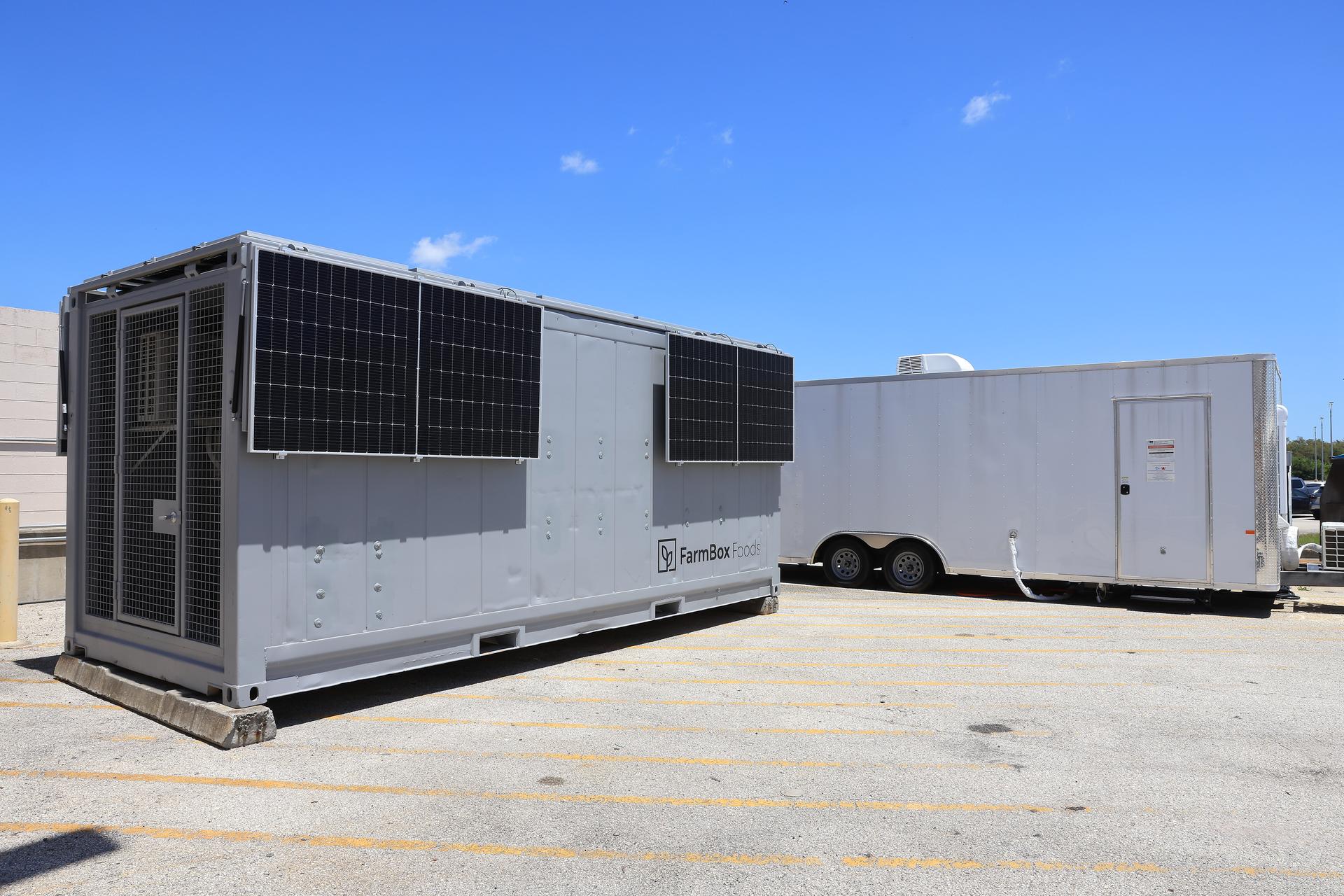
The Divergent Deployable Wastewater Treatment Facility is undergoing field tests at the University of North Dakota to support NASA’s Artemis program and reduce reliance on Earth resupply.

Volunteers will help train machine learning algorithms to identify star-forming clumps, addressing a long-standing mystery regarding why these structures were common in the early universe but are rare today.

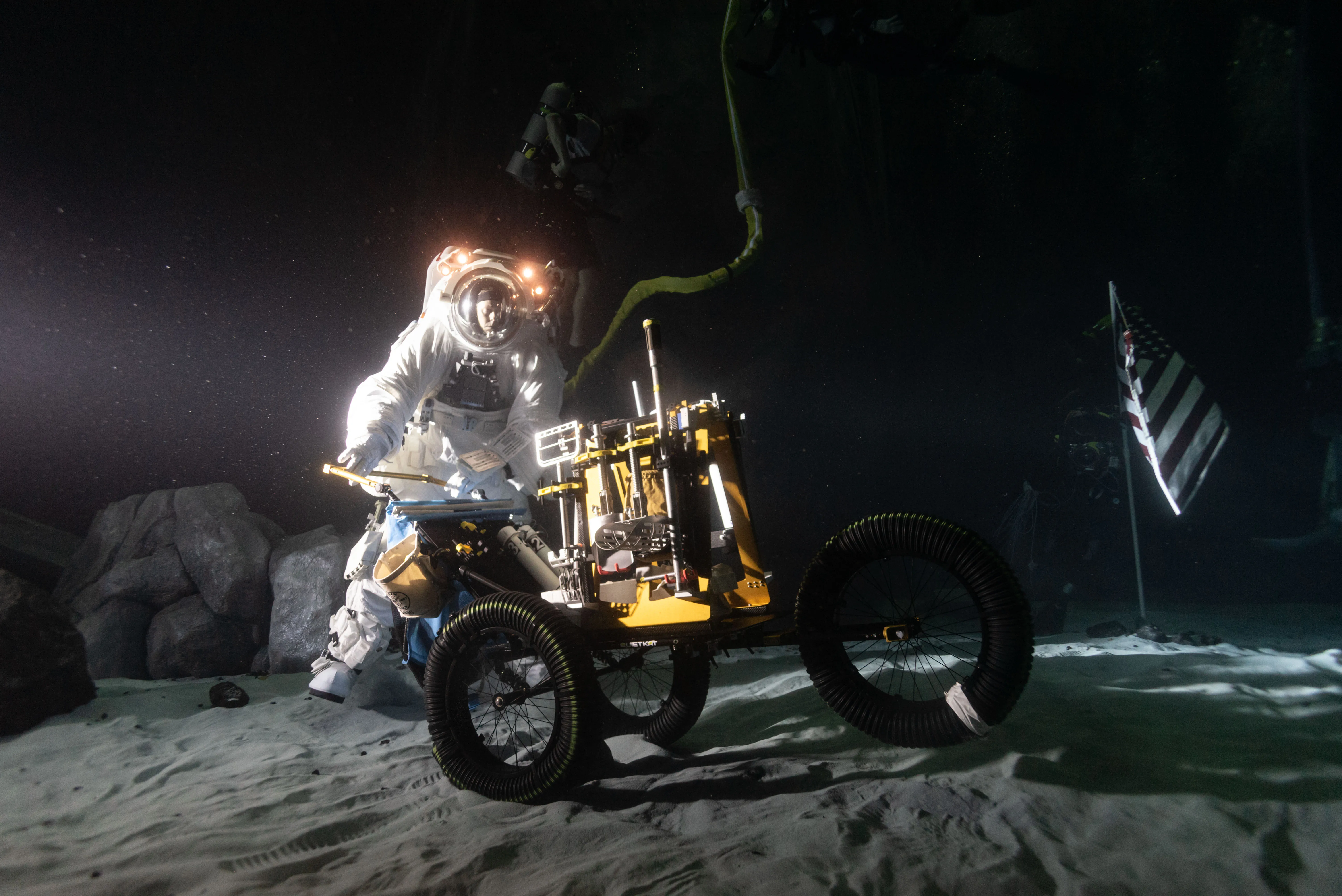
Scott Wray, who has spent over 16 years at NASA, now oversees the development of training programmes to prepare astronauts for lunar surface operations, a challenge the agency has not faced in more than 50 years.

Suppression crews report 97 per cent containment by late May, with rare Torrey pine stands largely intact despite the scale of the disturbance.

The $8.4 million firm-fixed-price contract runs through February 2027 and will enable parabolic flights to test astronaut lunar suits in simulated reduced-gravity conditions.

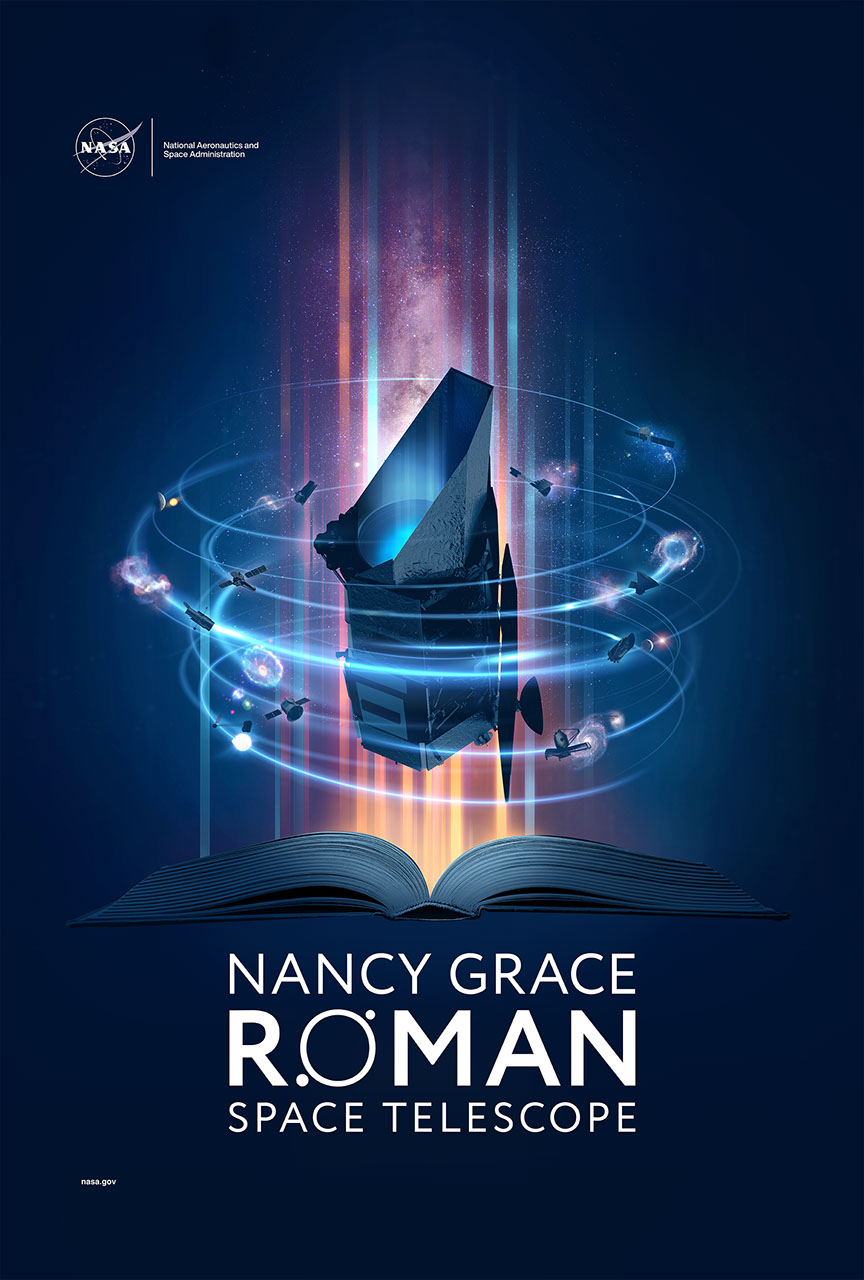
Applications for media credentials must be submitted by Thursday, June 4, for the upcoming arrival of the Nancy Grace Roman Space Telescope via barge from Maryland.

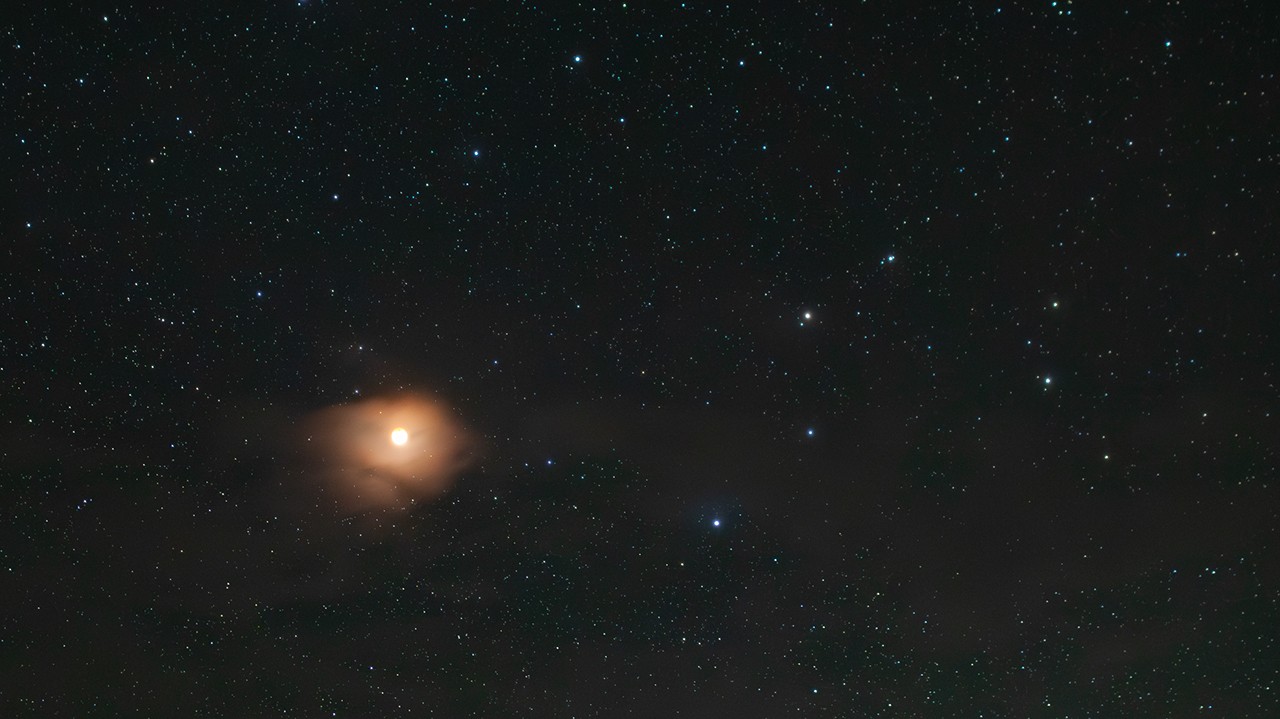
The US space agency’s latest skywatching tips highlight key celestial occurrences for June 2026, from planetary gatherings to deep-sky observation targets.

A NOAA-operated WP-3D Orion will fly as low as 1,000 feet above ground level during the Student Airborne Research Program mission, supporting undergraduate students in field research and data analysis.

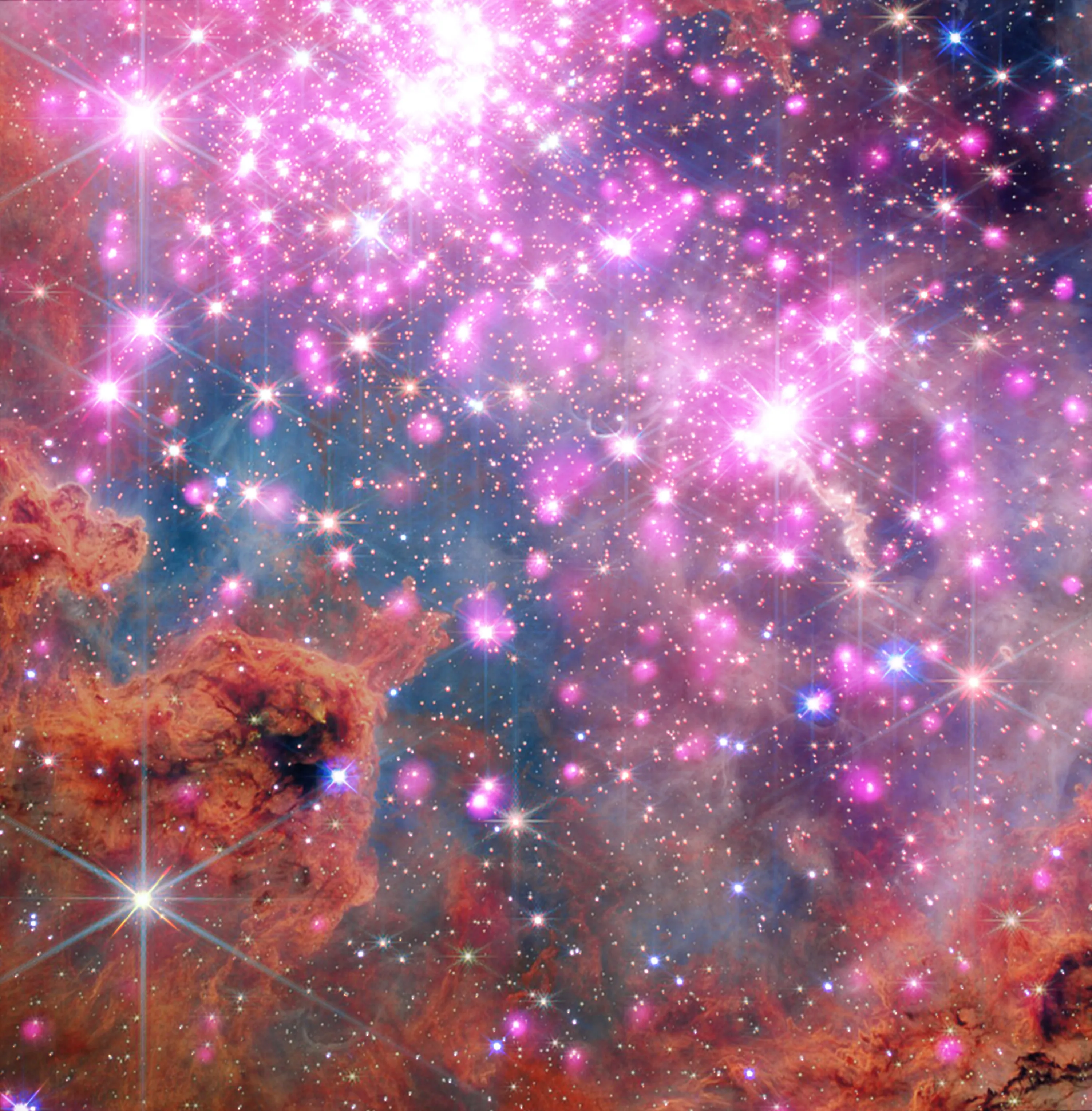
New image from March 2026 highlights X-ray and infrared emissions from stars aged one to three million years, located 20,000 light-years from Earth.

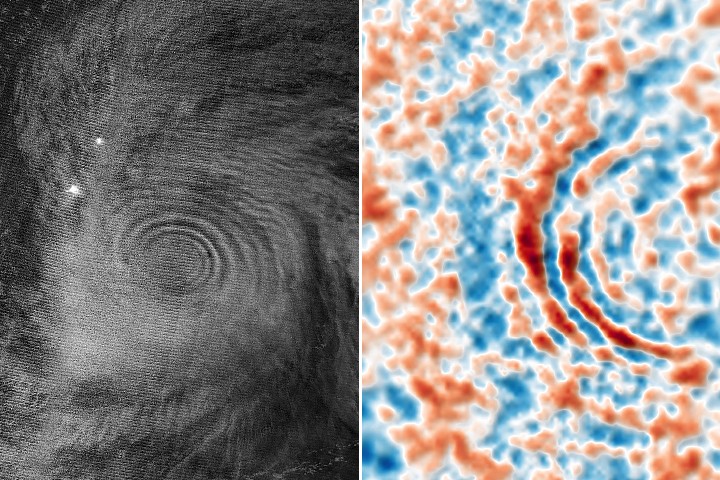
Researchers link the phenomenon to storm development, offering potential improvements for weather forecasting and space weather monitoring.

The Multiple Award Construction Contract at the Johnson Space Center must see all funds obligated by September 2026, with task orders competed among awardees to ensure government value.

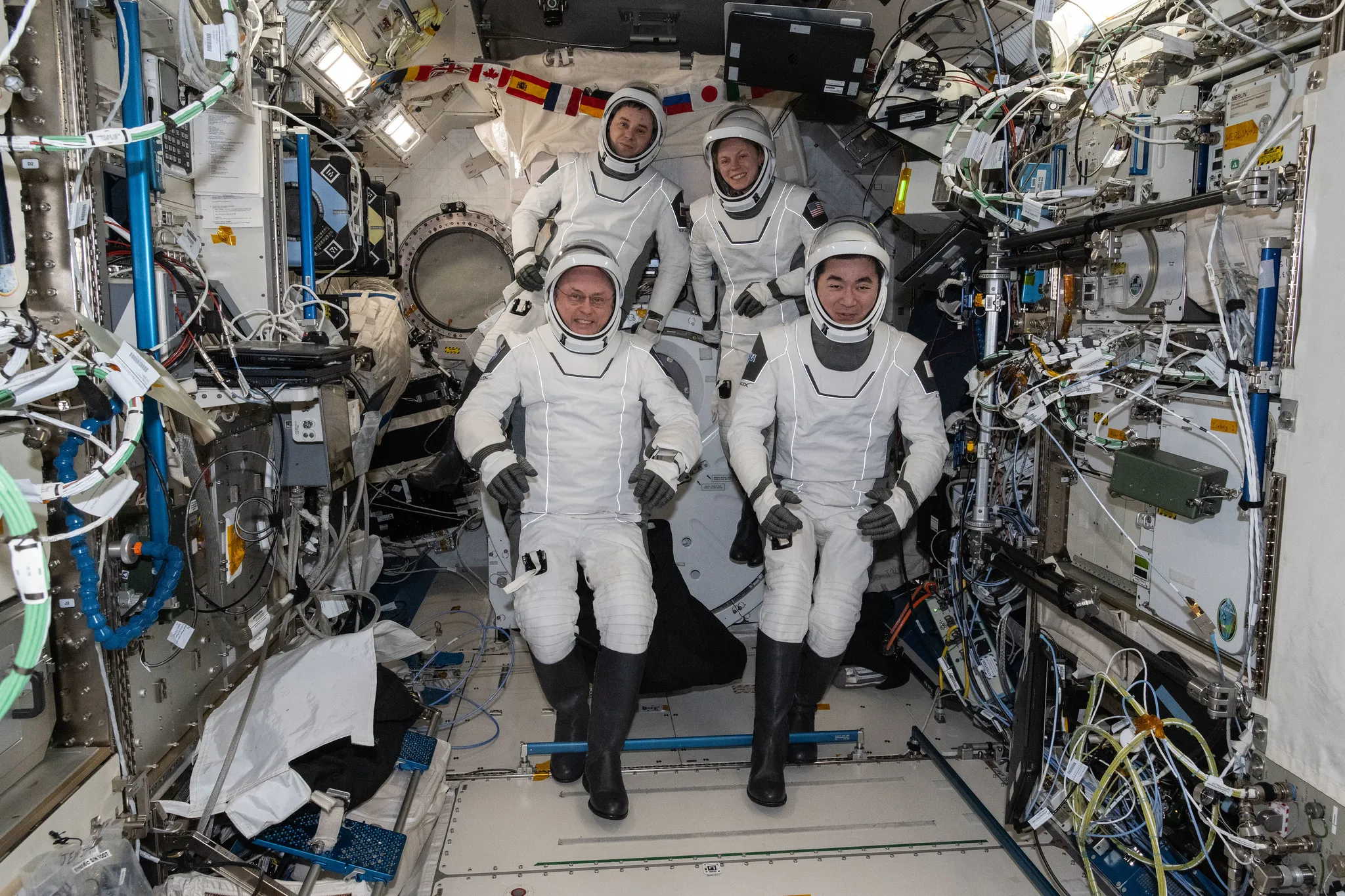
NASA astronauts Zena Cardman and Mike Fincke, alongside JAXA’s Kimiya Yui, will address the public on Monday, 1 June, marking the conclusion of their Expedition 73/74 mission.

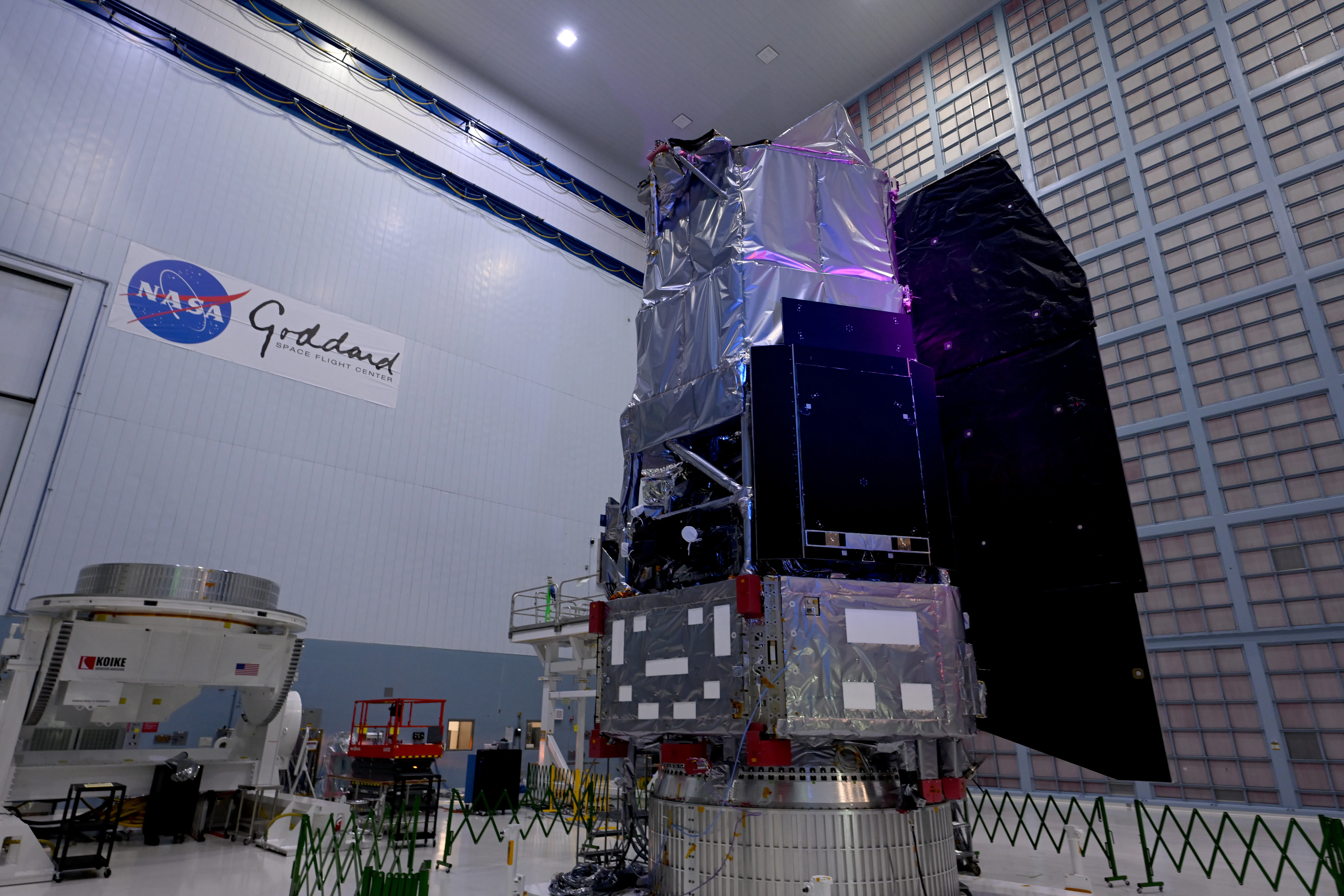
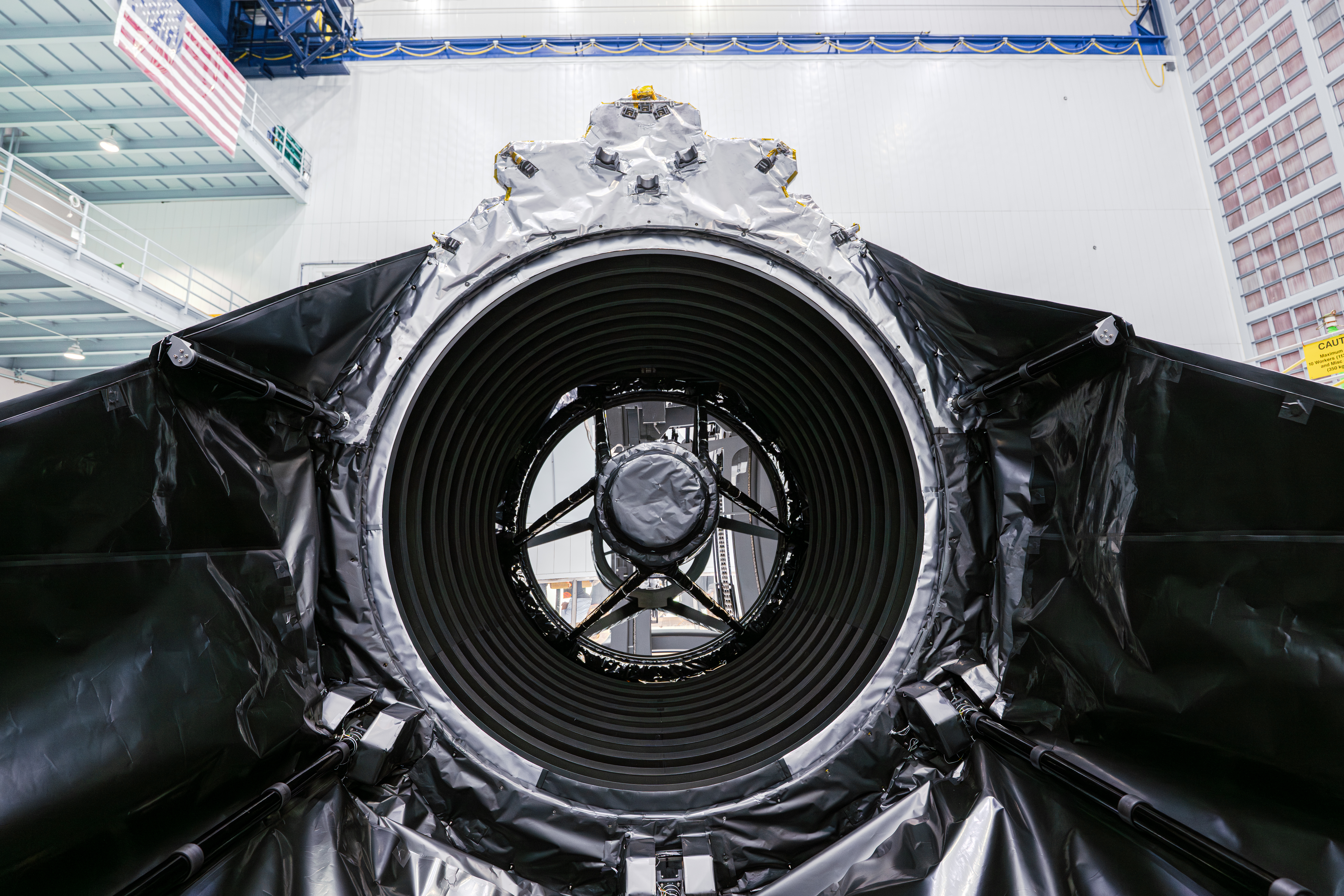
Engineers at Goddard Space Flight Center verify the 2.4-metre primary mirror’s alignment and coating integrity, clearing the way for the observatory’s shipment to Florida.

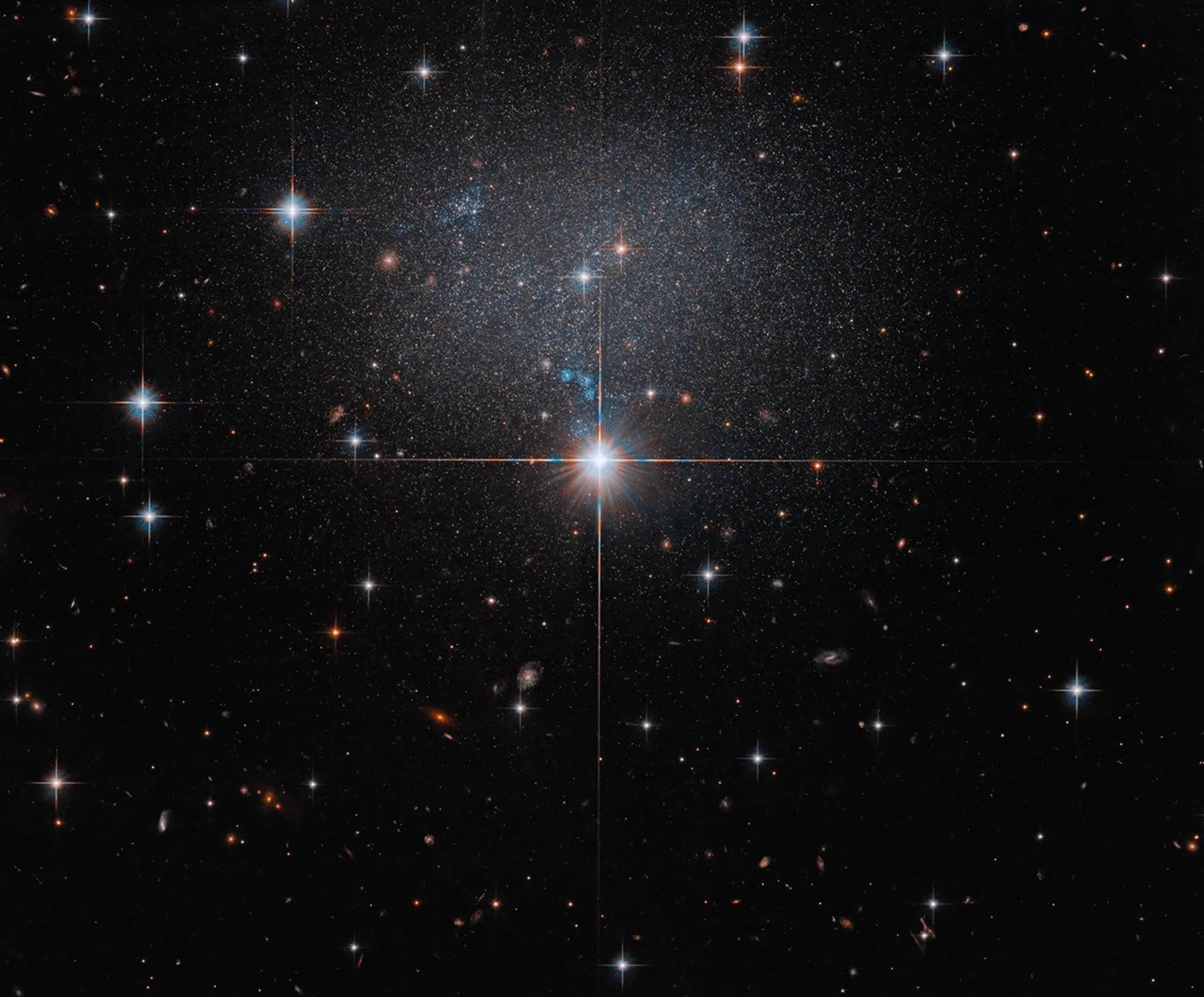
The Hubble Space Telescope has released a new image of the dwarf irregular galaxy ESO 490-017, located 23 million light-years away, as part of a programme investigating the gravitational drivers of the universe's large-scale structure.

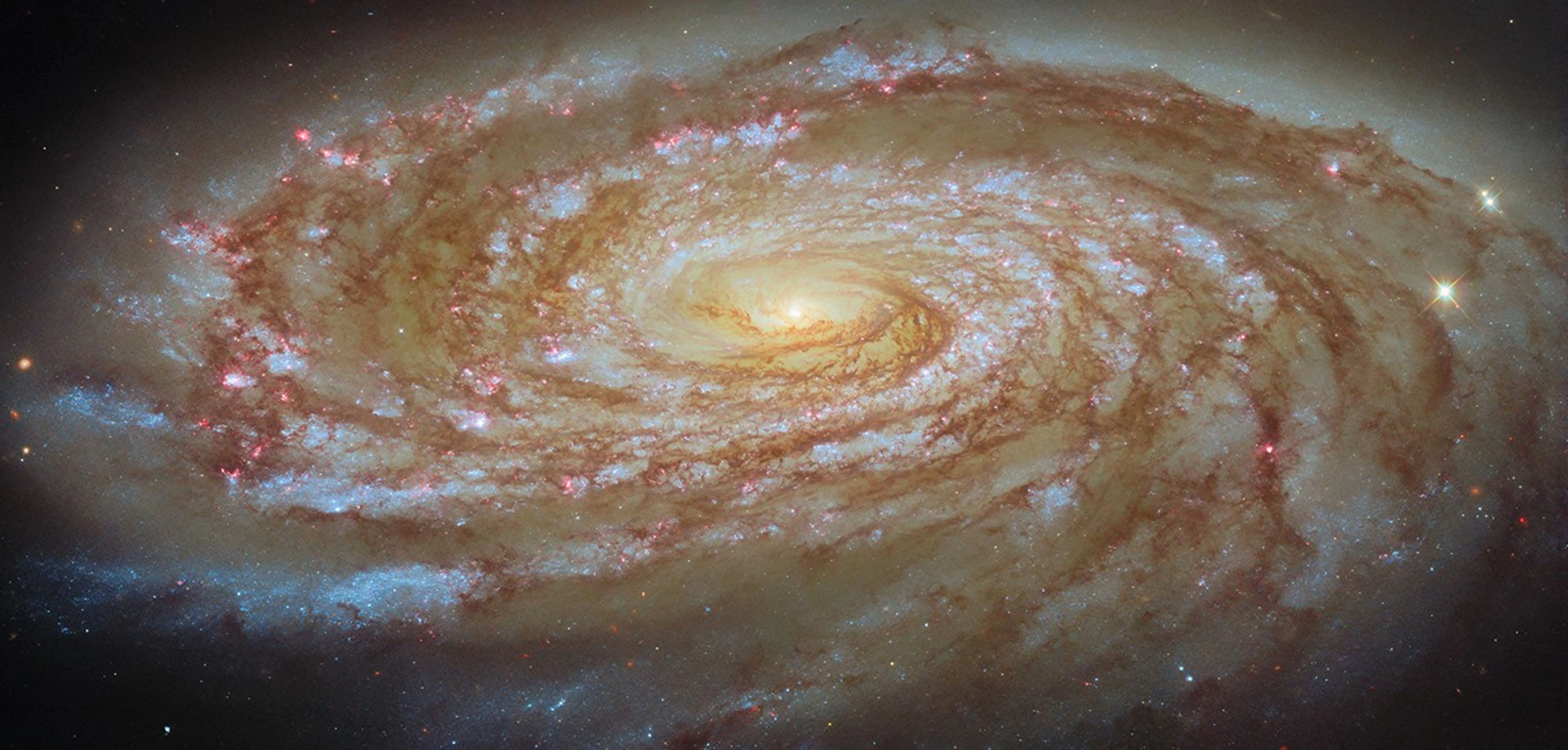
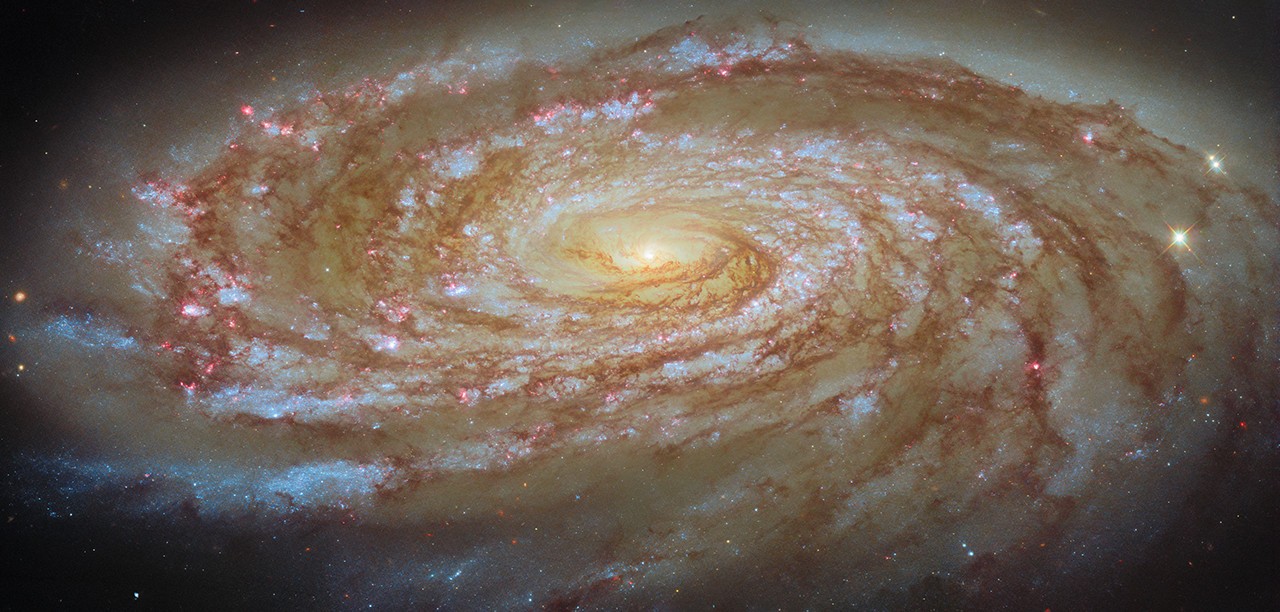
New imagery from NASA’s Hubble Space Telescope shows how the active spiral galaxy Messier 88 is losing its star-forming fuel as it moves through the dense environment of the Virgo Cluster.

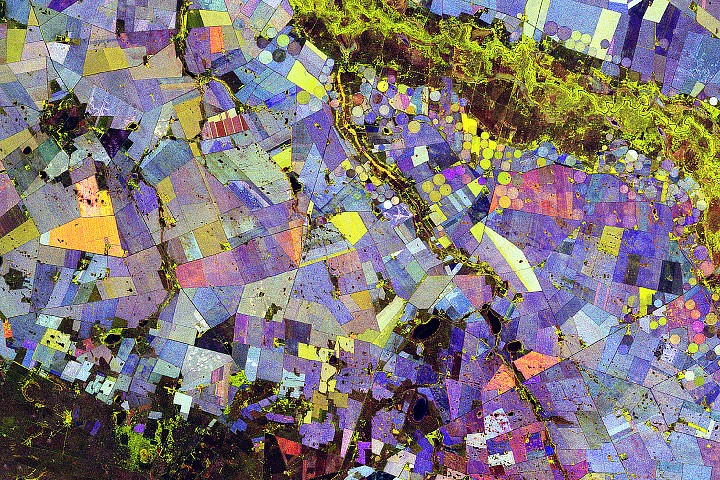
A false-colour composite of the Free State province uses red, green, and blue hues to map vegetation structure, irrigation impacts, and land-use change across the region’s semi-arid agricultural landscape.

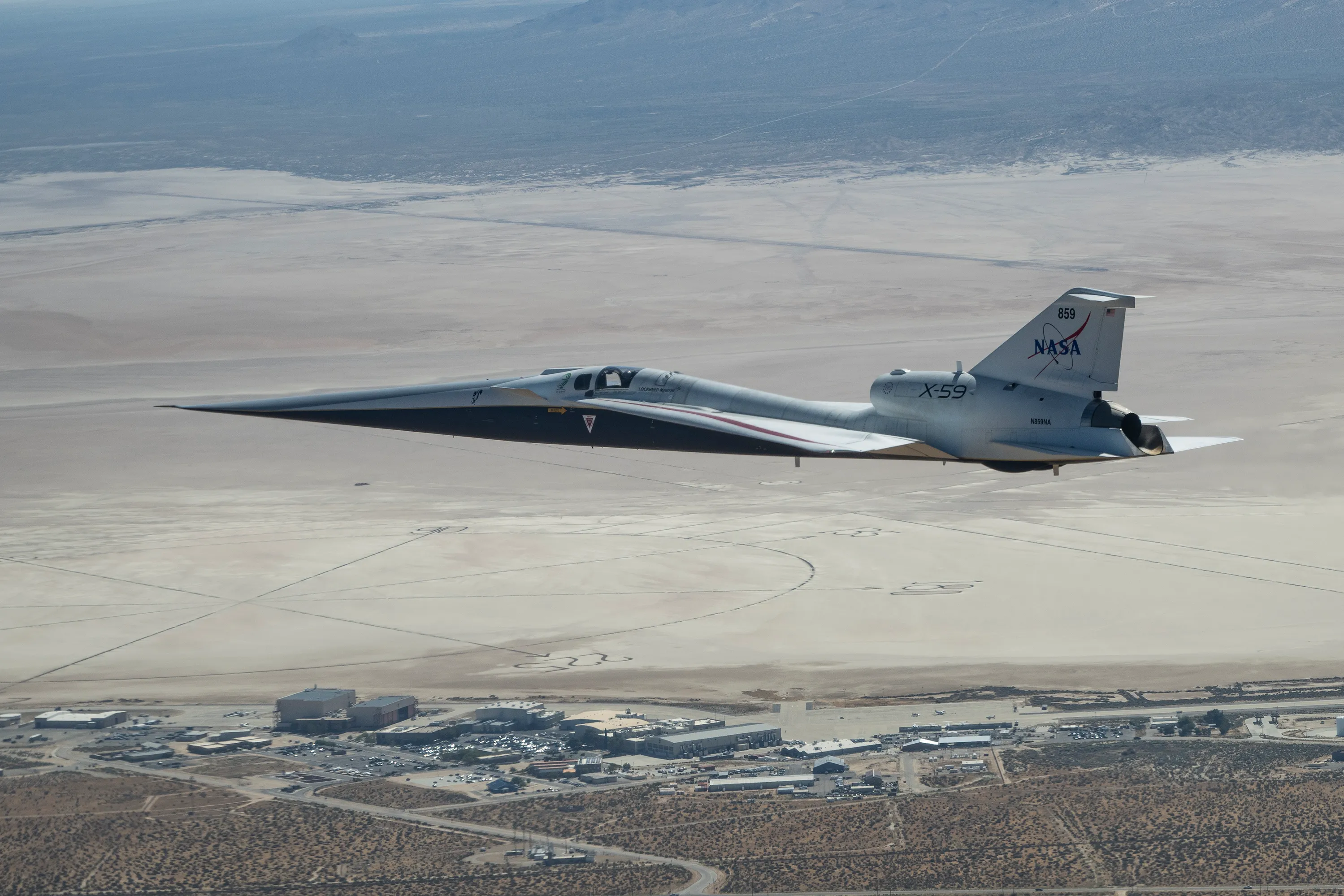
The X-59 will reach speeds over 630 mph at 43,000 feet, marking a critical step in proving its airworthiness before Phase 2 testing begins later this year.

Ground-based testing at NASA’s Langley Research Center aims to mitigate hazards posed by abrasive lunar dust during descent and ascent phases of the Artemis program.

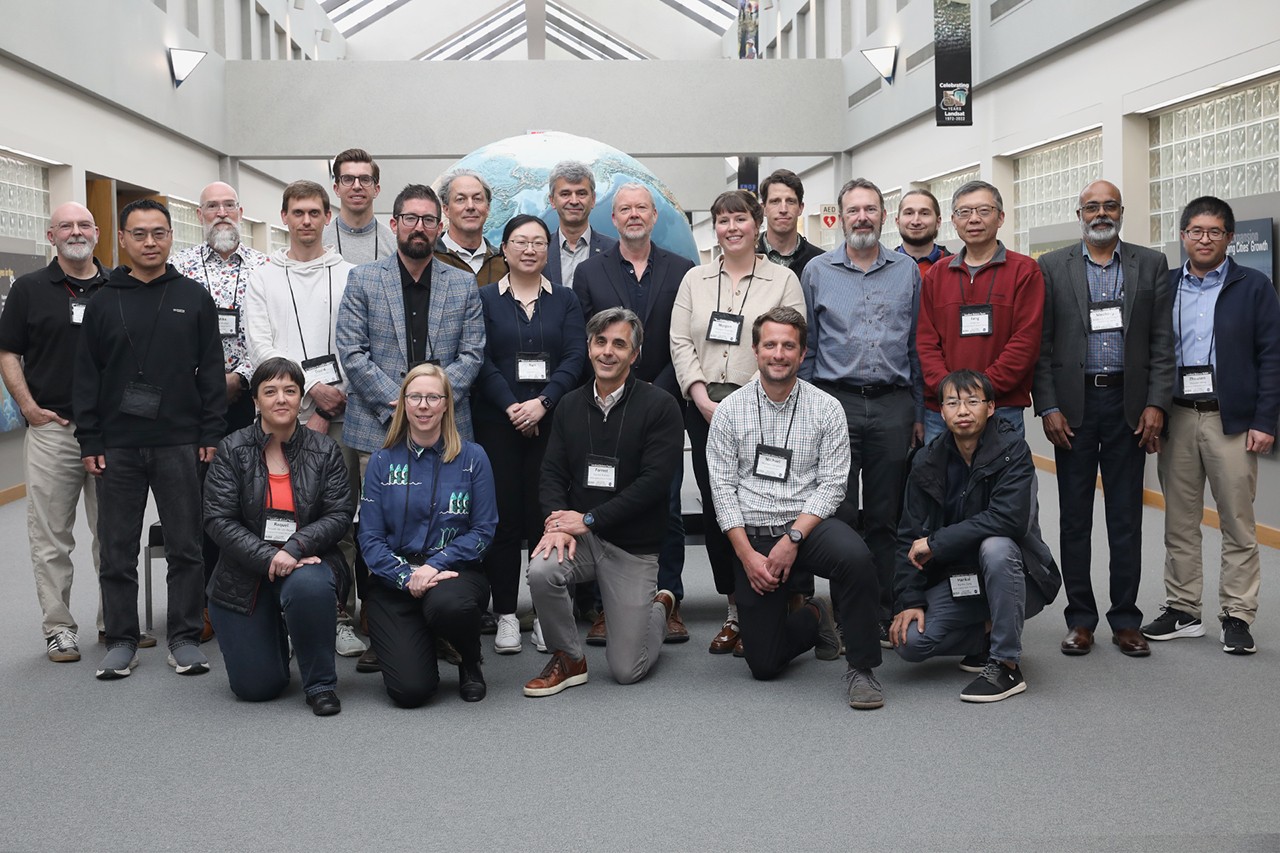
The newly formed 2026–2030 Landsat Science Team has outlined technical priorities for surface reflectance, thermal imaging, and aquatic monitoring, while the Landsat 10 spacecraft procurement process remains open for industry review.

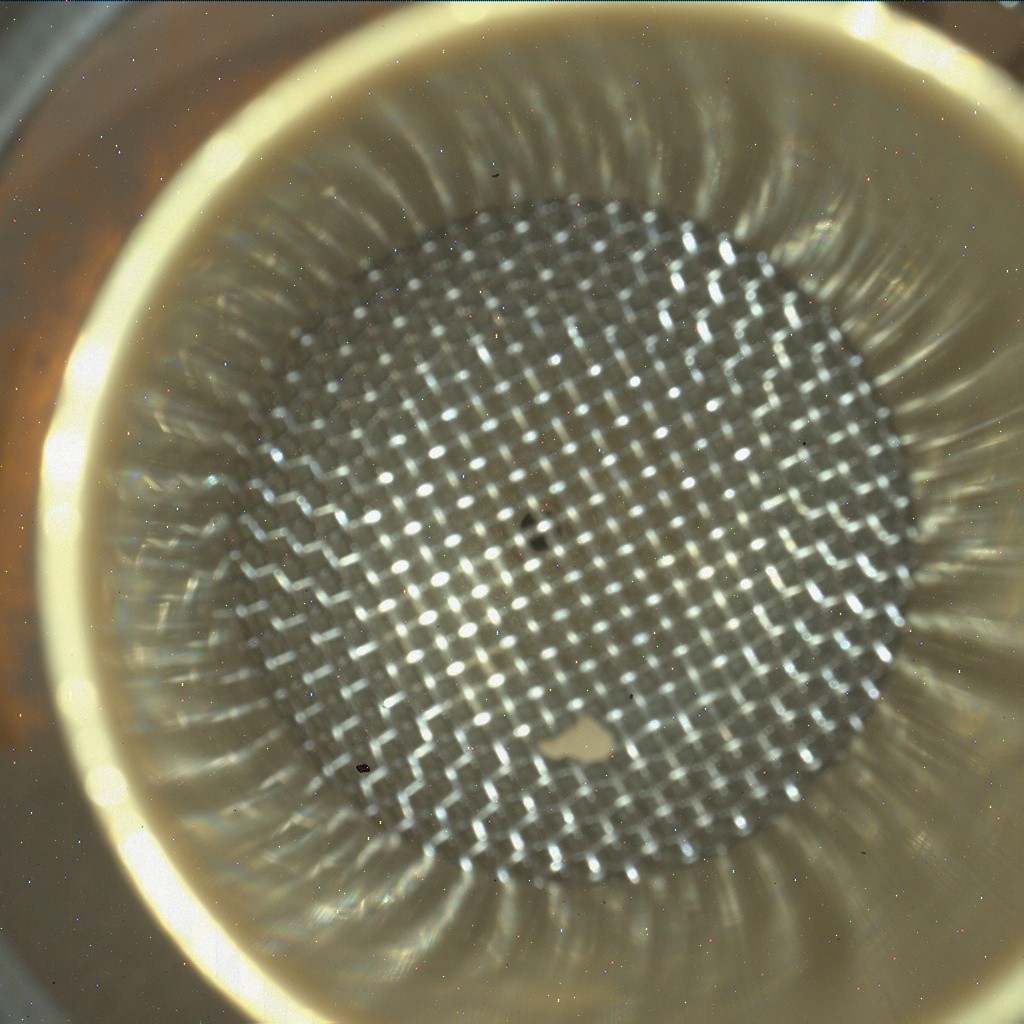
Deputy Project Scientist Abigail Fraeman reports that the rover’s drill retracted correctly from the Campo Marte formation, delivering rock powder to CheMin and SAM for analysis despite a shallower-than-usual penetration depth.

New research published in Science identifies hematite crystallite size as a key indicator of past environmental shifts on Mars.

The US space agency has published downloadable PDF and PNG files of the telescope’s promotional imagery, credited to Jenny Mottar.

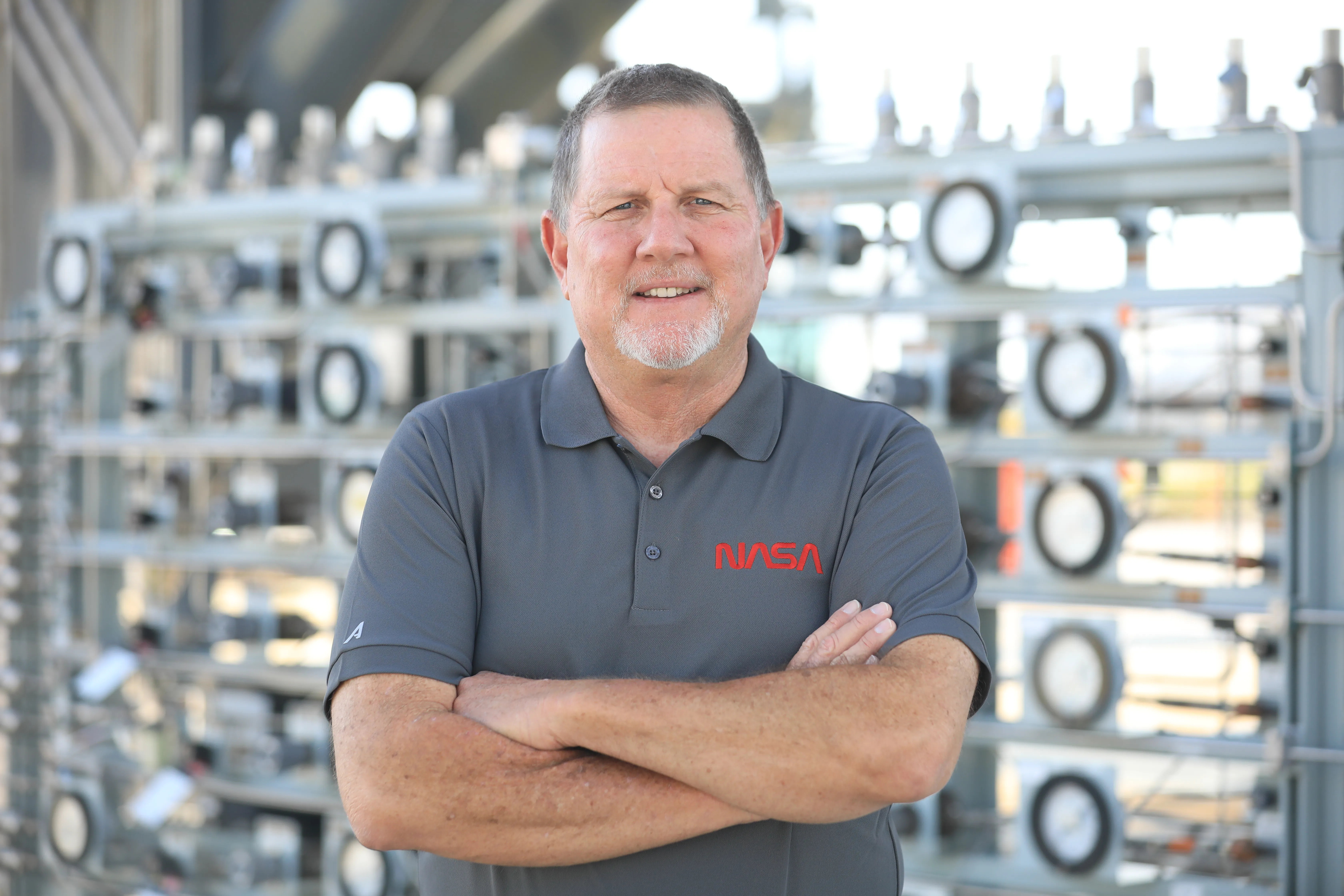
On 4 May 2026, NASA transitioned the entire Launch Equipment Test Facility team from contractor status to civil service, a move designed to retain direct control over engineering capabilities vital to future missions.

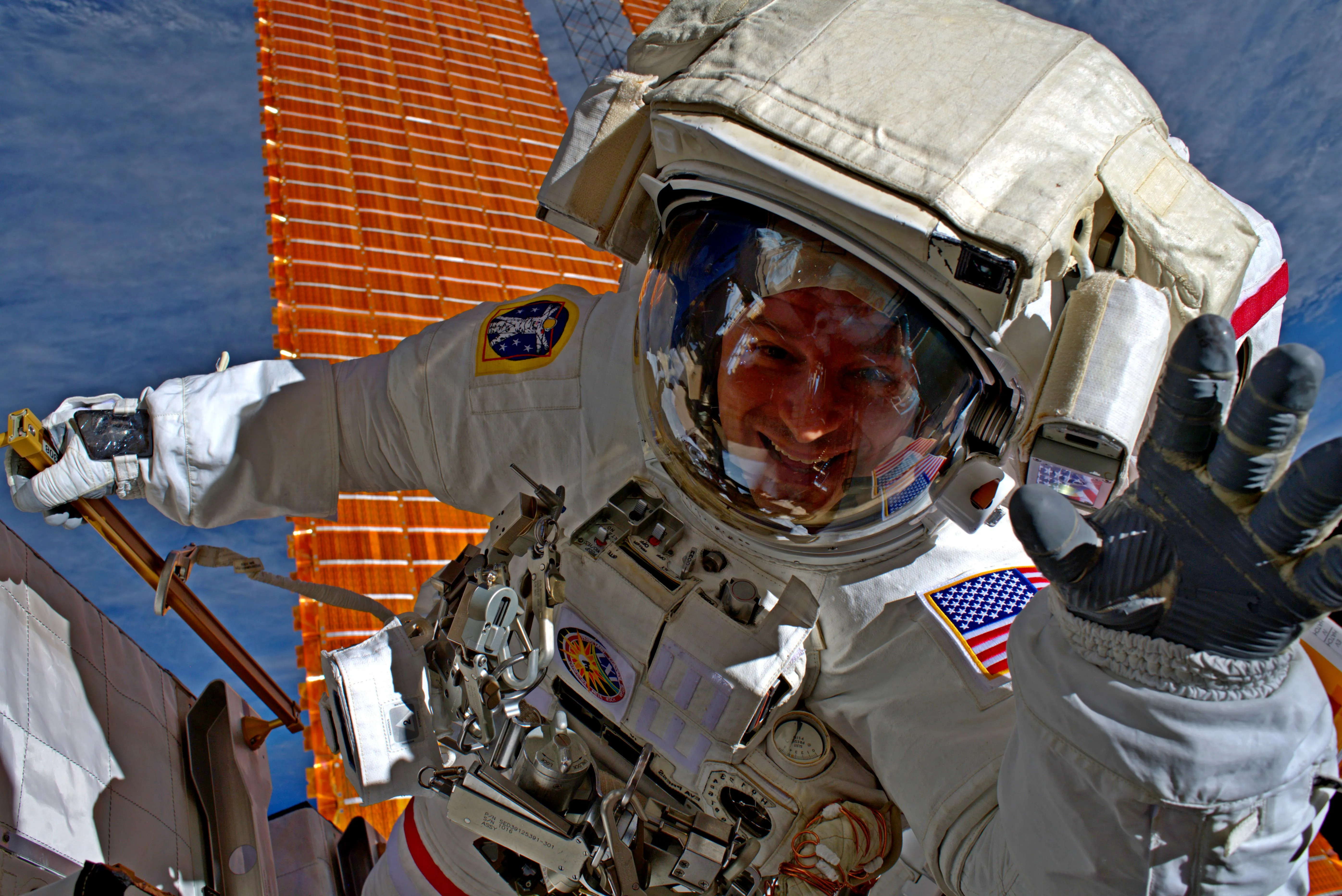
Morgan, who spent 272 days aboard the International Space Station, set the U.S. single-flight spacewalk record before concluding his 12-year tenure with the agency.

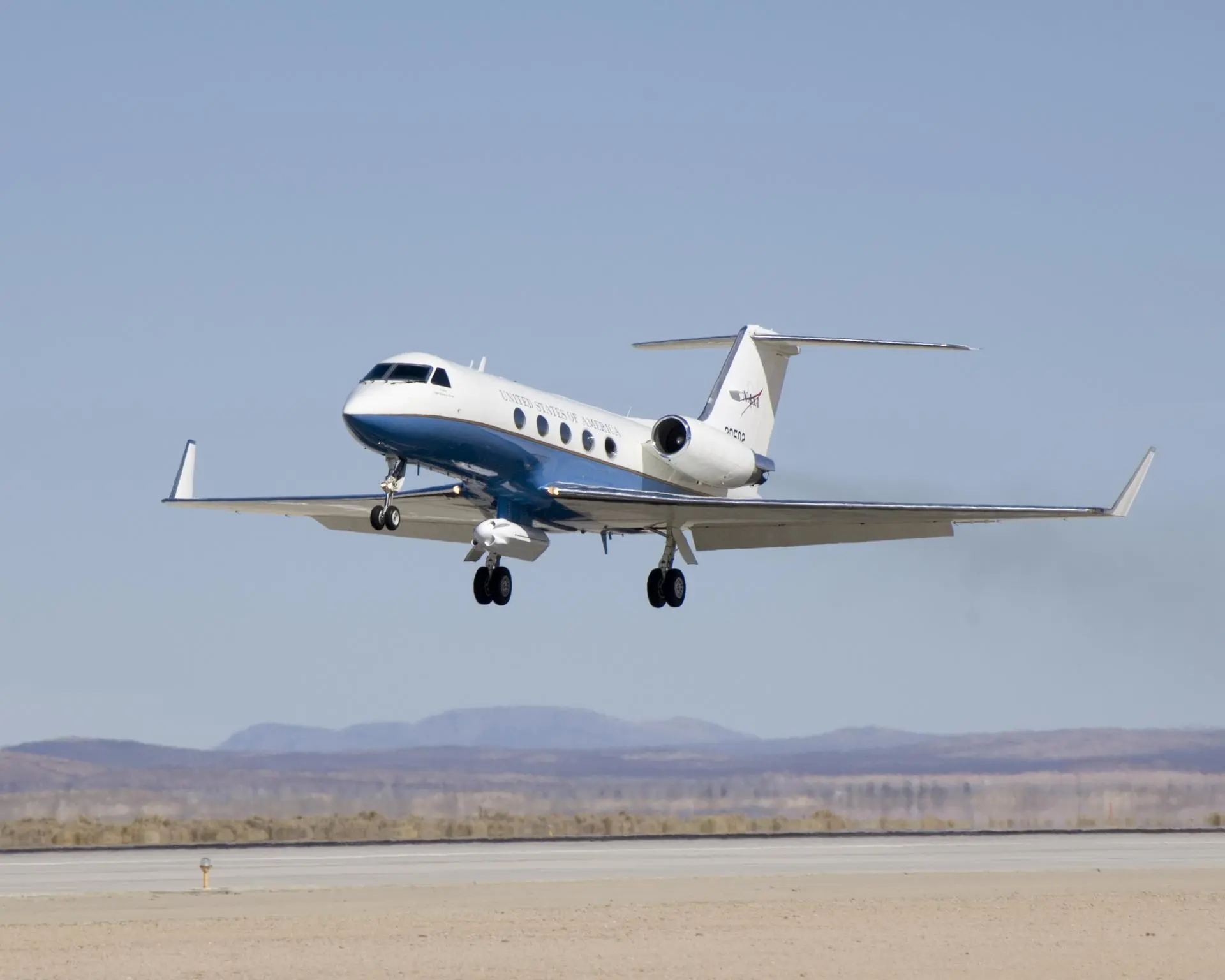
Recent flights above the Armstrong Flight Research Center confirm performance across varied conditions, including extended landing gear configurations.

Technology analyses unique light signatures from orbit to help prioritise remediation of tens of thousands of hazardous locations threatening local waterways.

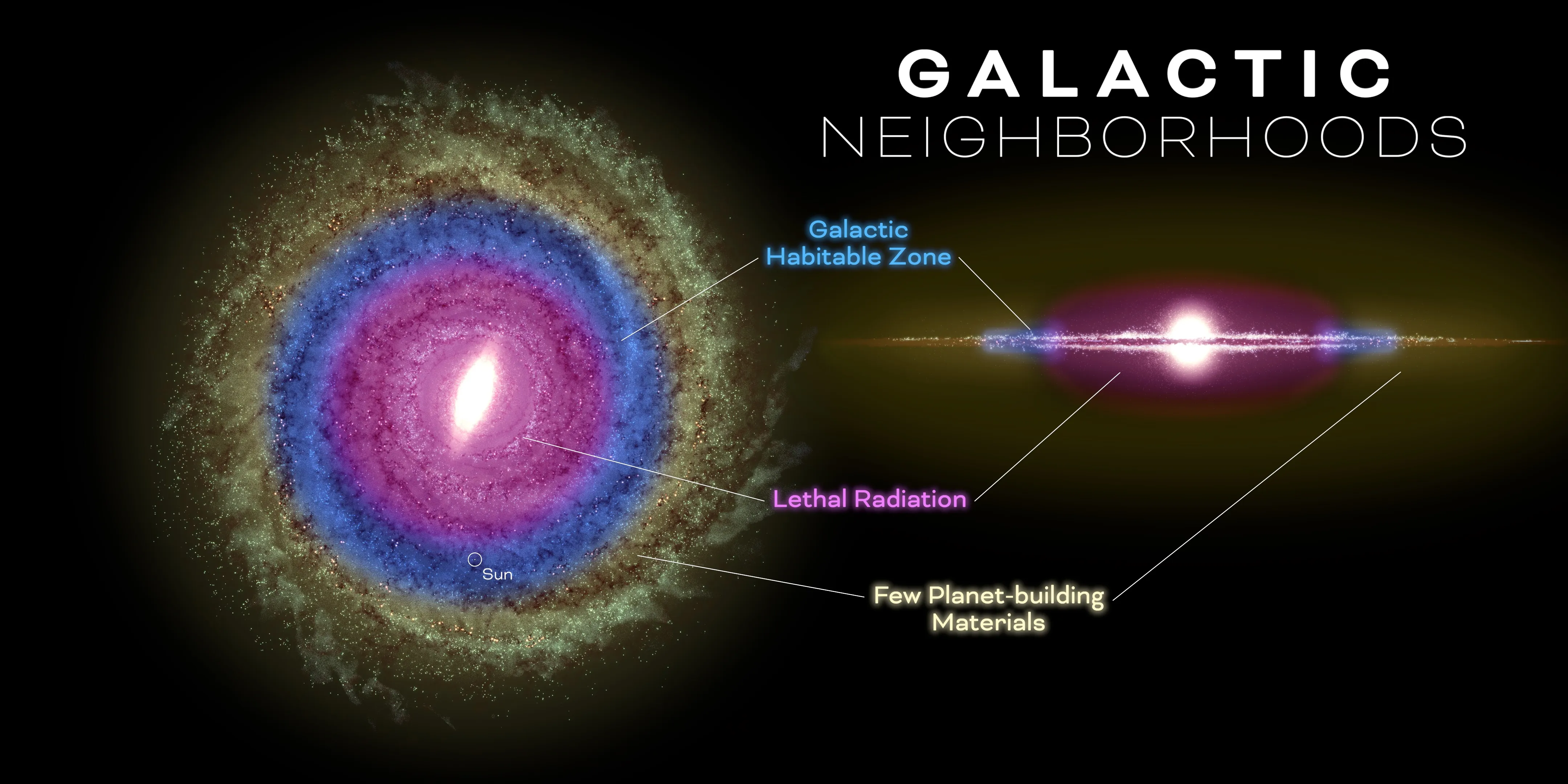
Scientists expect the Nancy Grace Roman Space Telescope to reveal a staggering leap in exoplanet discoveries, extending the search far beyond the solar neighbourhood to study planet formation across different galactic habitats.