Swift orbit-boost mission ends without raising observatory
NASA and Katalyst Space called off LINK’s planned attempt to grapple and lift Swift after the spacecraft developed communication and orientation-control problems.
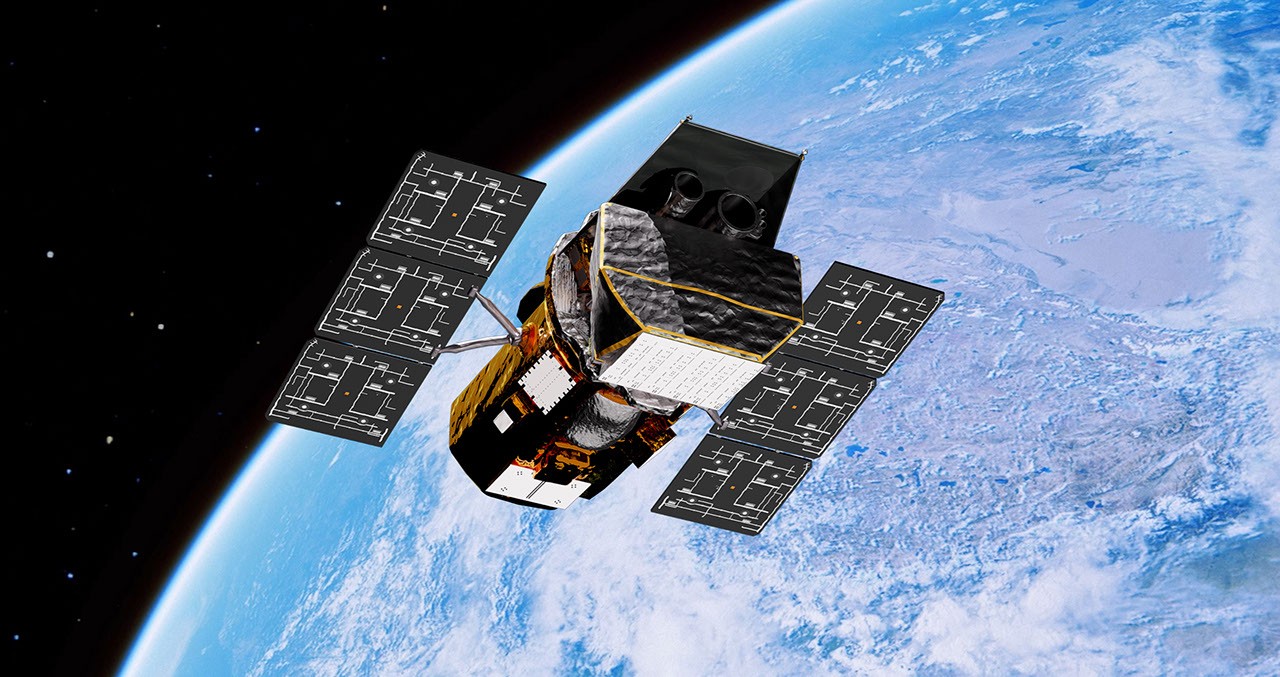
A mission to raise the orbit of NASA’s Neil Gehrels Swift Observatory ended without an attempted boost. The LINK spacecraft developed intermittent communication losses and problems with its orientation control after reaching orbit, NASA said.
NASA and its contractor, Katalyst Space, scaled back the mission after troubleshooting. LINK was to move on to technology demonstrations, including tests of its propulsion system and robotic arms. NASA’s account does not specify which demonstrations were completed or their results.
NASA formally ended its involvement on 3 September. LINK re-entered Earth’s atmosphere on 25 September. NASA and Katalyst said the effort provided experience for future in-space servicing programmes.
Launched in November 2004, Swift studies gamma-ray bursts and other astronomical phenomena. Increased solar activity intensified atmospheric drag on the observatory. NASA had forecast that it could reach a critical altitude of about 300 kilometres in autumn 2026.
Swift’s operations team changed the observatory’s observing targets to reduce drag, keeping it above the critical altitude for several months, NASA said. The agency did not provide an updated estimate of Swift’s remaining operational lifetime.