Zawiya refinery resumes full operations following two-day shutdown triggered by security operation
The Azzawiya Oil Refining Company has returned to full capacity after fighting near the complex, described as a security operation against outlaws, subsided.
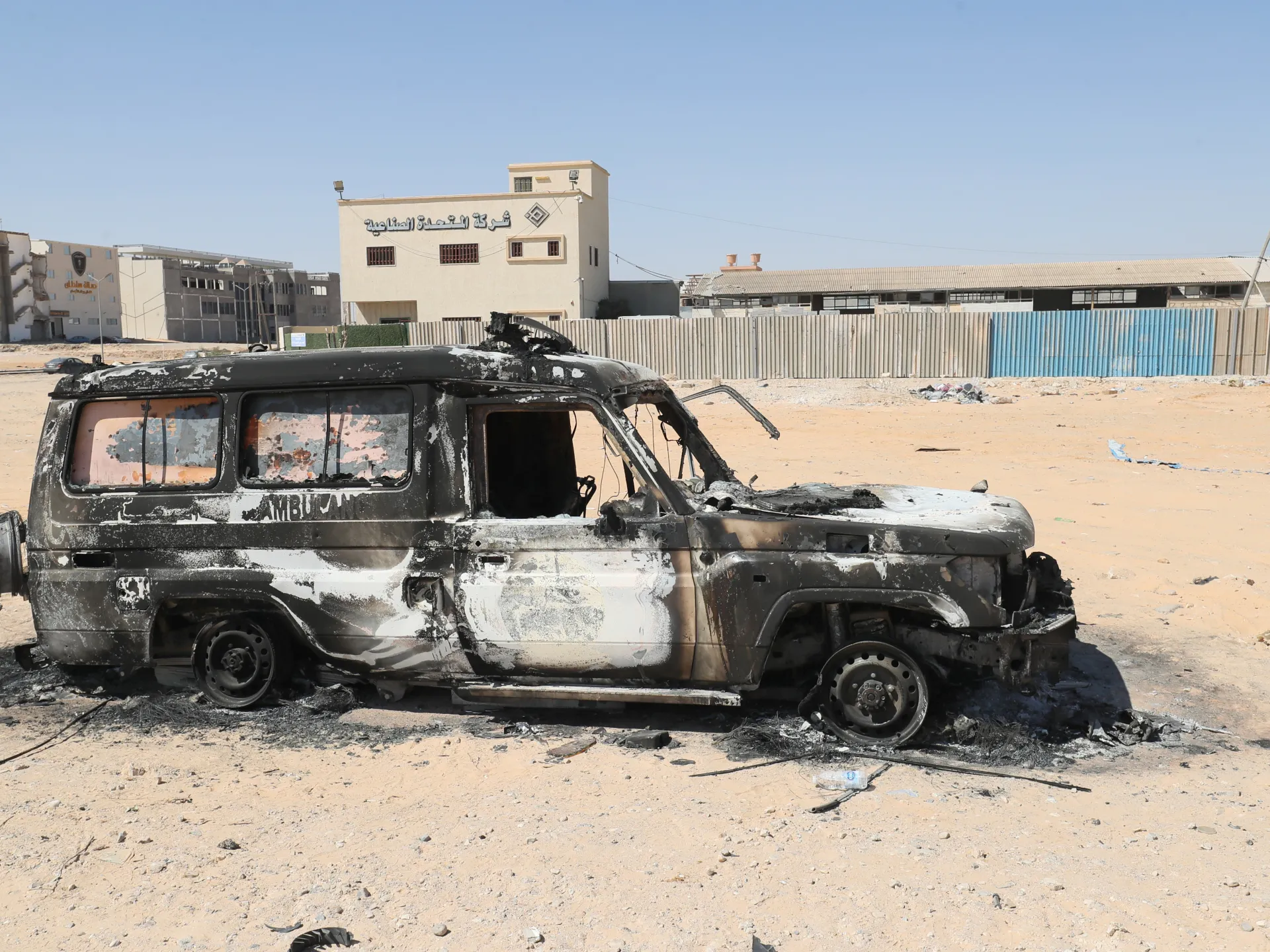
Libya's largest functioning oil facility, the Zawiya refinery, has resumed full operations following a two-day shutdown necessitated by intense fighting near the complex. Located approximately 40km west of Tripoli, the plant possesses a processing capacity of 120,000 barrels per day and is intrinsically linked to the 300,000-bpd Sharara oilfield.
The closure was declared on Friday after heavy shelling struck multiple locations within the oil complex, compelling the operator, Azzawiya Oil Refining Company, to shut down the plant completely and evacuate all tankers from the port. The conflict, which authorities described as a security operation against outlaws, intensified and spread into the residential area adjacent to the refinery before subsiding.
Despite high-calibre projectiles landing in various parts of the facility, officials from the National Oil Corporation (NOC) reported no significant damage at the time of their statement. While the incident required an emergency response, the NOC confirmed that fuel supplies to Tripoli and surrounding areas remained unaffected throughout the duration of the closure.
The security situation in the region has been volatile since the overthrow of Muammar Gaddafi in 2011, with Zawiya historically experiencing repeated fighting that has occasionally forced the closure of the coastal road to the Tunisian border. Reports of unrest in the city have circulated online, including unverified footage of gunfire, though the specific nature of the outlaws targeted in the operation remains undefined in available reports.
Although the facility is back online, the long-term structural impact of the shelling on the complex has not yet been fully assessed. The National Oil Corporation's assessment that there was no significant damage was issued at the time of the incident, leaving the extent of any latent damage to the infrastructure a matter for future evaluation.
The resumption of operations marks a return to normalcy for the critical energy node, ensuring continuity for the region's fuel requirements despite the volatility that has long characterised Libya's post-revolution landscape.